The Jakarta Post
Please Update your browser
Your browser is out of date, and may not be compatible with our website. A list of the most popular web browsers can be found below.
Just click on the icons to get to the download page.


Popular Reads
Top Results
No results found. Please check your search term and try again
Can't find what you're looking for?
View all search results
Popular Reads
Top Results
No results found. Please check your search term and try again
Can't find what you're looking for?
View all search resultspertamina
Archipelago 3 months ago
PREMIUM
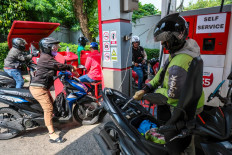
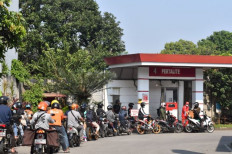
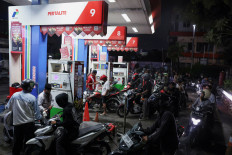
Protests erupt in North Sumatra amid subsidized fuel shortage
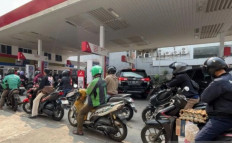
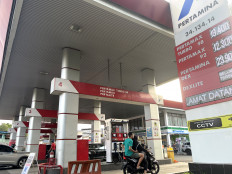
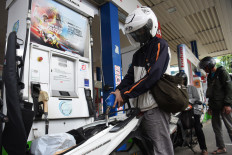
In North Sumatra’s capital Medan, hundreds of ojol (online motorcycle transportation) drivers protested outside Pertamina's office on Thursday, demanding a solution to fuel shortages that have led to long queues at gas stations across the city.
Editor's Picks
Popular
- Recentralization concerns in fiscal, education heighten
- Batam residents protest data centers amid water crisis
- Safeguarding Indonesia's AI future
- Twenty years on, BRICS faces a defining choice
- Crew member from missing Anak Krakatau boat identified
- Court decision tightens House oversight on free meals funding
- Popular discontent is justified. Authoritarianism is not the answer
- Gibran faces fresh challenge over eligibility as VP
- Indonesia puts peace, UN reform, Global South at center of UNGA agenda
- Govt under pressure as 3 million home drive hits cracks


