The Jakarta Post
Please Update your browser
Your browser is out of date, and may not be compatible with our website. A list of the most popular web browsers can be found below.
Just click on the icons to get to the download page.


Popular Reads
Top Results
No results found. Please check your search term and try again
Can't find what you're looking for?
View all search results
Popular Reads
Top Results
No results found. Please check your search term and try again
Can't find what you're looking for?
View all search resultspertamina

Economy 5 months ago
PREMIUM
Govt doubles down on diplomacy as Hormuz risks persist despite ceasefire
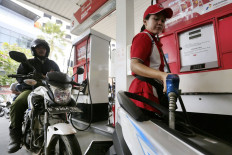
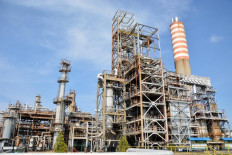
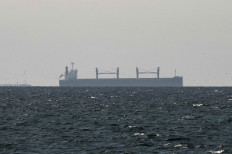
Pertamina is racing to secure the release of two of its tankers stuck in the Persian Gulf through diplomatic channels, as analysts warn that the recent US-Iran ceasefire does little to guarantee safe passage through the politically charged Strait of Hormuz.


Economy 5 months ago
Navigating oil shock: Fiscal challenges, policy choices for Indonesia
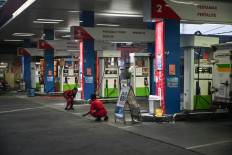
While Indonesia faced a similar situation in 2022, the ongoing Iran war represents a different dynamic that will require critical policies that balance fiscal stability and purchasing power toward maintaining resilience.
Editor's Picks
Popular
- Mass poisonings cast doubt on free meals reforms
- Much ado about asset forfeiture
- New data rules could unlock cross-border data flows
- Children are no longer the priority, were they ever?
- Indonesia, Hong Kong to host new 14-team FIFA ASEAN Cup
- Free meals face seven-day ultimatum, possible lawsuit
- Assessing the merit of the strategic commodities bill
- Prabowo’s approval slide fuels warm-up to 2029 elections
- Volcanic eruptions take toll on economy
- Osama the gamer: A list of Bin Laden’s video games from his hard drive


