The Jakarta Post
Please Update your browser
Your browser is out of date, and may not be compatible with our website. A list of the most popular web browsers can be found below.
Just click on the icons to get to the download page.


Popular Reads
Top Results
No results found. Please check your search term and try again
Can't find what you're looking for?
View all search results
Popular Reads
Top Results
No results found. Please check your search term and try again
Can't find what you're looking for?
View all search resultsprotection

Academia 4 months ago
PREMIUM
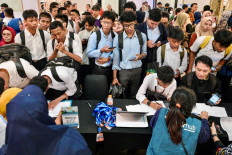
Indonesia AI’s strategy: Economically ambitious, socially hollow
Indonesia is charging headlong into an artificial Iintelligence-driven economy, but its current road map leaves the nation’s most vulnerable workers in a blind spot. To prevent a catastrophic "race to the bottom," the government must balance its hunger for innovation with a radical redesign of the social safety net.

Academia 4 months ago
PREMIUM
Can domestic workers protection law end ‘modern slavery’?
As Indonesia ratifies a historic domestic worker protection law after two decades of silence, the nation must now decide if these statutory rights will remain a paper promise or finally dismantle the structures of modern slavery.
Academia 5 months ago
PREMIUM
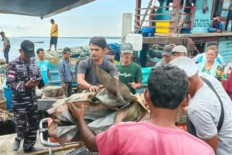
Waiting for Godot: The case for ratification of ILO convention on work in fishing
For decades, Indonesia has led the world in defining the law of the sea and the rights of its workers. Now, as the 2026 ratification deadline for the ILO Convention 188 looms, the nation must decide if it will remain a global trendsetter or leave its millions of fishers waiting for a "Godot" that never arrives.

Opinion 5 months ago
PREMIUM
Analysis: Protection or control? Govt blocks children’s access to social media
Over the past two weeks, the government has begun overseeing the implementation of Communications and Digital Ministerial Regulation No. 9/2026. The policy reflects a national push to strengthen protections for children, though concerns have emerged regarding its effectiveness and its potential impact on children’s access to information and freedom of expression.


Academia 5 months ago
PREMIUM
Beyond oil: The forgotten seafarers of the Strait of Hormuz
While the world watches oil prices and insurance premiums in the Strait of Hormuz, 20,000 seafarers are trapped in a humanitarian crisis unfolding in plain sight. It is time to stop insuring the cargo and start protecting the people who move the world.

Academia 6 months ago
PREMIUM
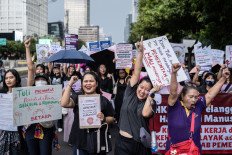
Literate, independent and abused: Indonesian women’s hidden reality
This International Women's Day, a landmark survey shatters the myth that education and financial independence protect Indonesian women, revealing instead a hidden crisis of structural violence and digital threats.
Editor's Picks
Popular
- Batam residents protest data centers amid water crisis
- Recentralization concerns in fiscal, education heighten
- Popular discontent is justified. Authoritarianism is not the answer
- Govt under pressure as 3 million home drive hits cracks
- Safeguarding Indonesia's AI future
- Prabowo’s universal free education plan raises feasibility questions
- The Jakarta Post: Indonesia & World Breaking News
- Free meals marketplace raises supply chain concerns
- Rocking the boat in a storm
- The Jakarta Post: Indonesia & World Breaking News


