The Jakarta Post
Please Update your browser
Your browser is out of date, and may not be compatible with our website. A list of the most popular web browsers can be found below.
Just click on the icons to get to the download page.


Popular Reads
Top Results
No results found. Please check your search term and try again
Can't find what you're looking for?
View all search results
Popular Reads
Top Results
No results found. Please check your search term and try again
Can't find what you're looking for?
View all search resultsratification


Academia 4 months ago
PREMIUM
C188 on paper, C188 at sea: Translating ratification into reality
Ratifying the ILO’s fishing convention is a diplomatic milestone for Indonesia, but translating paper promises into real protections for fishers requires dismantling deep-seated legal and bureaucratic barriers.
Academia 5 months ago
PREMIUM
Waiting for Godot: The case for ratification of ILO convention on work in fishing
For decades, Indonesia has led the world in defining the law of the sea and the rights of its workers. Now, as the 2026 ratification deadline for the ILO Convention 188 looms, the nation must decide if it will remain a global trendsetter or leave its millions of fishers waiting for a "Godot" that never arrives.
Academia 6 months ago
PREMIUM
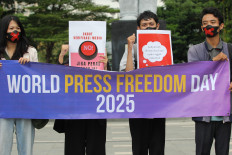
The Publisher Rights and the absurdity of modern governance
As Indonesia backslides on democratic indices, the nation faces a crisis that is as much philosophical as it is political. Examining the struggle related to the Publisher Rights through the lens of Camus reveals a systemic absurdity that threatens the very survival of our free press.
Regulations 6 months ago
PREMIUM
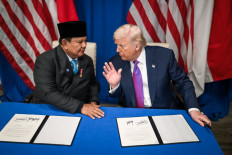
Indonesia puts off ratifying ART as US opens trade probes
The government is focusing on gathering data and evidence for its rebuttal strategy against the USTR's new Section 301 probes into unfair trade practices, which are racing toward a July deadline, when Washington's latest 10 percent tariff expires.

Academia 9 months ago
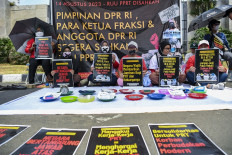
Indonesia's modernized penal code ratification represents positive transformation
Indonesia is set to implement the New Indonesian Penal Code (Kitab Undang-Undang Hukum Pidana Baru or KUHP Baru), scheduled to come into effect on Jan. 2, 2026, enacted through Law No. 1 of 2023. The change demonstrates the country’s move away from a colonial-era criminal justice framework and reflects a modernized legal system rooted in national values and aligned with contemporary international norms.


Academia 1 year ago
PREMIUM
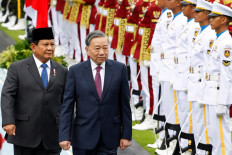
It’s time to recognize domestic workers as essential
The President's public pledge last month to prioritize passage of the bill on protection for domestic workers presents an unheralded opportunity to break the cycle of invisibility and injustice and recognize domestic workers as an essential force in the economy.
Editor's Picks
Popular
- New islands appear after Anak Krakatau volcano erupts
- Prabowo resurrects advisory board
- A ministry restored
- Reshuffle shores up coalition support for 2029
- Whisky, big-screen TV seized from prison 'villas' in West Java
- Sugarcane farmers query House over sugar imports
- Indonesia pushes cooperation to outpace global scam networks
- Gibran’s fall, Prabowo’s power reconfiguration?
- The agrarian reform law and investment prospects of palm oil
- Can young Indonesians still afford home?


