The Jakarta Post
Please Update your browser
Your browser is out of date, and may not be compatible with our website. A list of the most popular web browsers can be found below.
Just click on the icons to get to the download page.


Popular Reads
Top Results
No results found. Please check your search term and try again
Can't find what you're looking for?
View all search results
Popular Reads
Top Results
No results found. Please check your search term and try again
Can't find what you're looking for?
View all search resultsregional-election
Politics 1 year ago
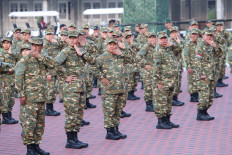
President Prabowo plans military-style retreat for new regional heads
Coordinating Law, Human Rights, Immigration and Correctional Services Minister Yusril Ihza Mahendra said that the planned retreat would be a forum for President Prabowo to brief the local heads on his agenda and how to implement it at the local level.
Opinion 1 year ago
PREMIUM
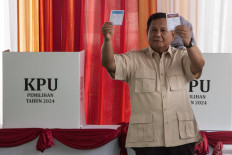
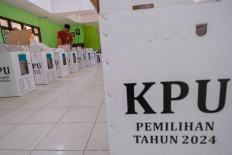
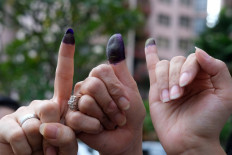
Analysis: Post-election evaluations call for electoral reforms
As Indonesia reflects on the administration of the unprecedented simultaneous nationwide regional head elections on Nov.27, many areas of improvement have come to light. With voter turnout rates dipping, exorbitant election costs and the frequency of uncontested races, reforms are needed to safeguard the future of the country’s electoral system.

Opinion 1 year ago
PREMIUM
Analysis: Regional elections entrench ex-president Jokowi’s political position
The results of the Nov. 27 regional elections have further entrenched the position of former president Joko “Jokowi” Widodo in national politics for the next five years and beyond. This bodes well for his main political agenda, which is to prepare his eldest son Gibran Rakabuming Raka for the 2029 presidential race.
Politics 1 year ago
PREMIUM
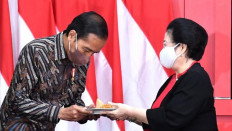
PDI-P to formally expel Jokowi, family members
The Indonesian Democratic Party of Struggle (PDI-P) will issue an official letter to formalize its decision to expel former member Joko “Jokowi” Widodo along with his family members if he does not withdraw from the party on his own.

Opinion 1 year ago
PREMIUM
Analysis: Regional election, legal uncertainty stall minimum wage hike
The Indonesian government has decided to delay the annual increase in provincial minimum wage (UMP) rates, raising questions about its implications for workers, businesses, and the political landscape. Initially scheduled for announcement by Nov. 21, 2024, the wage adjustment will now wait until after the country’s regional elections. This decision follows a Constitutional Court (MK) ruling and ongoing dispute over minimum wage regulations.
Regional Elections 1 year ago
PREMIUM
KPK names Bengkulu governor, seeking reelection, as graft suspect
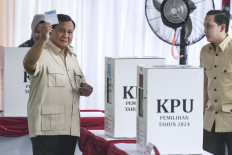
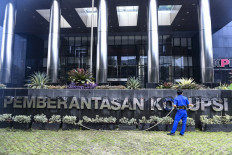
Just days before the Nov. 27 regional elections, the Corruption Eradication Commission (KPK) has named incumbent Bengkulu Governor Rohidin Mersyah and several other officials from the provincial administration suspects in a case of extortion and illegal gratuities allegedly used to fund Rohidin’s reelection campaign.
Editor's Picks
Popular
- Much ado about asset forfeiture
- Not the Ministry of Magic
- PISA gains belie Indonesia’s persistent education crisis
- Suahasil seen to prioritize fiscal discipline, continuity
- Mass poisonings cast doubt on free meals reforms
- The benefit of the doubt has expired
- Children are no longer the priority, were they ever?
- Purbaya ousted after clash with Prabowo's ex-army colleague, sources say
- Whoosh takeover in limbo after Purbaya ousted as finance minister
- Indonesia seeks fifth UNSC term, pledges Global South voice


