TheJakartaPost
Please Update your browser
Your browser is out of date, and may not be compatible with our website. A list of the most popular web browsers can be found below.
Just click on the icons to get to the download page.


Popular Reads
No popular reads data found
Top Results
No results found. Please check your search term and try again
Can't find what you're looking for?
View all search results
Popular Reads
No popular reads data found
Top Results
No results found. Please check your search term and try again
Can't find what you're looking for?
View all search resultsrenewable-energy
Academia 11:11 am
PREMIUM
The net-zero fantasy: Renewables alone won't save Indonesia
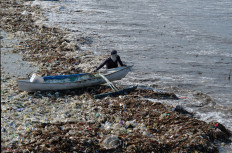
Indonesia’s path to a net-zero society is being choked by more than just carbon emissions; it is drowning in a sea of plastic and a lack of local infrastructure. While President Prabowo pivots toward renewables, true sustainability will remain a fantasy until the political will at the top translates into accountability for the polluters on the ground.
Academia 1 day ago
PREMIUM
Beyond oil: What is Prabowo’s energy diplomacy really securing?
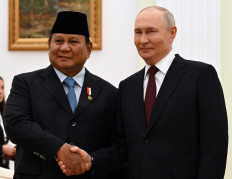
As Prabowo spreads his diplomatic wings and travels the world making deals to secure immediate, future and broader energy needs, the real issue at hand is whether the country's energy transition can take flight as part of a comprehensive strategy once he lands back in Jakarta.
Academia 4 days ago
PREMIUM
The real barriers to net zero aren’t renewables. They’re everything else
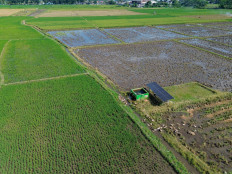
Renewables haven't failed; they are surging. But unprecedented demand growth, including for powering data centers and AI, along with infrastructure lags, mineral risks and mounting waste, keep moving the goalposts of the energy transition.
Economy 4 days ago
PREMIUM
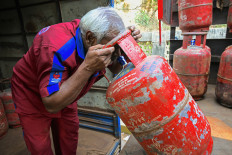
RI grid not ready to meet growing solar demand amid energy crisis
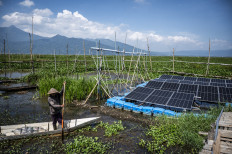
The oil and gas shortage caused by the United States-Israeli war on Iran should drive demand for renewables, but Indonesia’s inadequate grid infrastructure means a long waiting list remains for rooftop solar installation.
Academia 1 week ago
PREMIUM
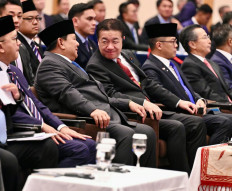
Oil, gas and coal are officially a systemic financial risk
As geopolitical shocks turn the global energy market into an "everything crisis", the shift from volatile commodities to stable renewable infrastructure is no longer just a climate goal; it is a financial necessity.
Regulations 3 weeks ago
PREMIUM
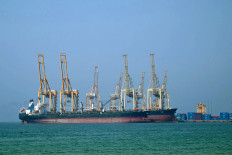
Prabowo pledges 100 GW solar energy target within three years
The 100 GW solar target, which the government plans to deploy through the nationwide Red and White Cooperatives (KMP) program, would require massive investment in photovoltaic farms, storage systems and transmission infrastructure.
Academia 3 weeks ago
PREMIUM
Iran’s oil windfall amid war exposes a broken energy order
While conflict is designed to weaken adversaries, the current crisis has inadvertently turned Iran into a primary beneficiary of a broken energy order. As global prices soar and supply chains fracture, the resulting economic shock waves are no longer just a Middle Eastern concern: They are hitting every household and industry across ASEAN.


Executive Column 2 months ago
PREMIUM
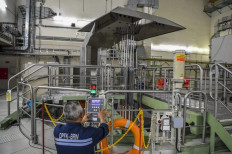
Executive Column: Mitsubishi Power bets on efficient baseload amid net-zero target
Akihiro Ondo, CEO of Mitsubishi Power Asia Pacific, explains Indonesia’s power sector readiness to meet rising electricity demand compared with regional peers and the role of gas and hydrogen-ready technologies in the energy transition.
Regulations 2 months ago
PREMIUM
Site selection for first nuclear plant expected by mid-2026, says renewables official
According to the ministry's renewables director general, the Bangka Belitung Islands and West Kalimantan are two priority provinces under consideration as a potential site for developing Indonesia's first nuclear power plant toward a 2032 on-grid target.