The Jakarta Post
Please Update your browser
Your browser is out of date, and may not be compatible with our website. A list of the most popular web browsers can be found below.
Just click on the icons to get to the download page.


Popular Reads
Top Results
No results found. Please check your search term and try again
Can't find what you're looking for?
View all search results
Popular Reads
Top Results
No results found. Please check your search term and try again
Can't find what you're looking for?
View all search resultswaste

Jakarta 1 month ago
PREMIUM
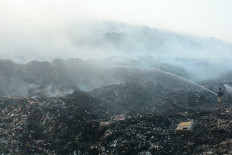
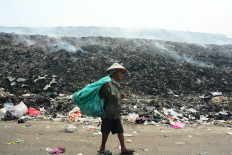
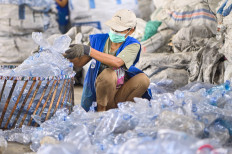
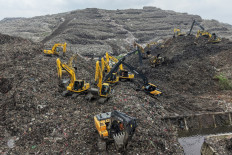
Jakarta tightens crackdown on polluters as illegal dumpsites grow larger
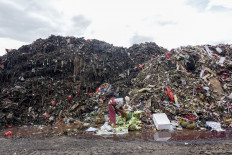
The Jakarta administration is tightening its crackdown on polluters transporting garbage to illegal dumpsites, as tonnes of trash have been piling up in multiple corners of the capital amid an expanding waste management crisis.
Regulations 2 months ago
PREMIUM
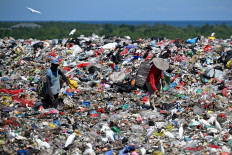
RI to require plastic-packaged goods makers fund waste management
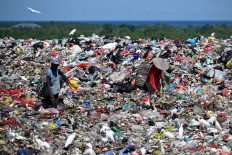
Environment Minister Mohammad Jumhur Hidayat said the regulation would require around 10,000 large manufacturers to allocate funds for waste management through independent organizations known as packaging recovery organizations (PROs).
Society 3 months ago
PREMIUM
NGOs lambast military's waste management role as overreach
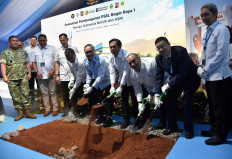
The TNI's increasing involvement in national waste management efforts is another example of military overreach in civilian affairs and risks potential conflicts of interest in commercial waste projects, watchdogs say.
Editor's Picks
Popular
- New islands appear after Anak Krakatau volcano erupts
- Prabowo resurrects advisory board
- A ministry restored
- Reshuffle shores up coalition support for 2029
- Whisky, big-screen TV seized from prison 'villas' in West Java
- Sugarcane farmers query House over sugar imports
- Philippines arrests 244 foreign workers in online scam crackdown
- Can young Indonesians still afford home?
- Gibran’s fall, Prabowo’s power reconfiguration?
- Indonesia pushes cooperation to outpace global scam networks


