The Jakarta Post
Please Update your browser
Your browser is out of date, and may not be compatible with our website. A list of the most popular web browsers can be found below.
Just click on the icons to get to the download page.


Popular Reads
Top Results
No results found. Please check your search term and try again
Can't find what you're looking for?
View all search results
Popular Reads
Top Results
No results found. Please check your search term and try again
Can't find what you're looking for?
View all search resultsIndonesia renews mediator offer in Iran war
In a briefing with the country’s top political figures, President Prabowo called for ‘national elite solidarity’ against impacts of the United States-Israel war on Iran.
Change text size
Gift Premium Articles
to Anyone
Share the best of The Jakarta Post with friends, family, or colleagues. As a subscriber, you can gift 3 to 5 articles each month that anyone can read—no subscription needed!
 Set as preferred source
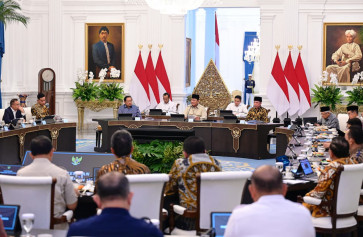
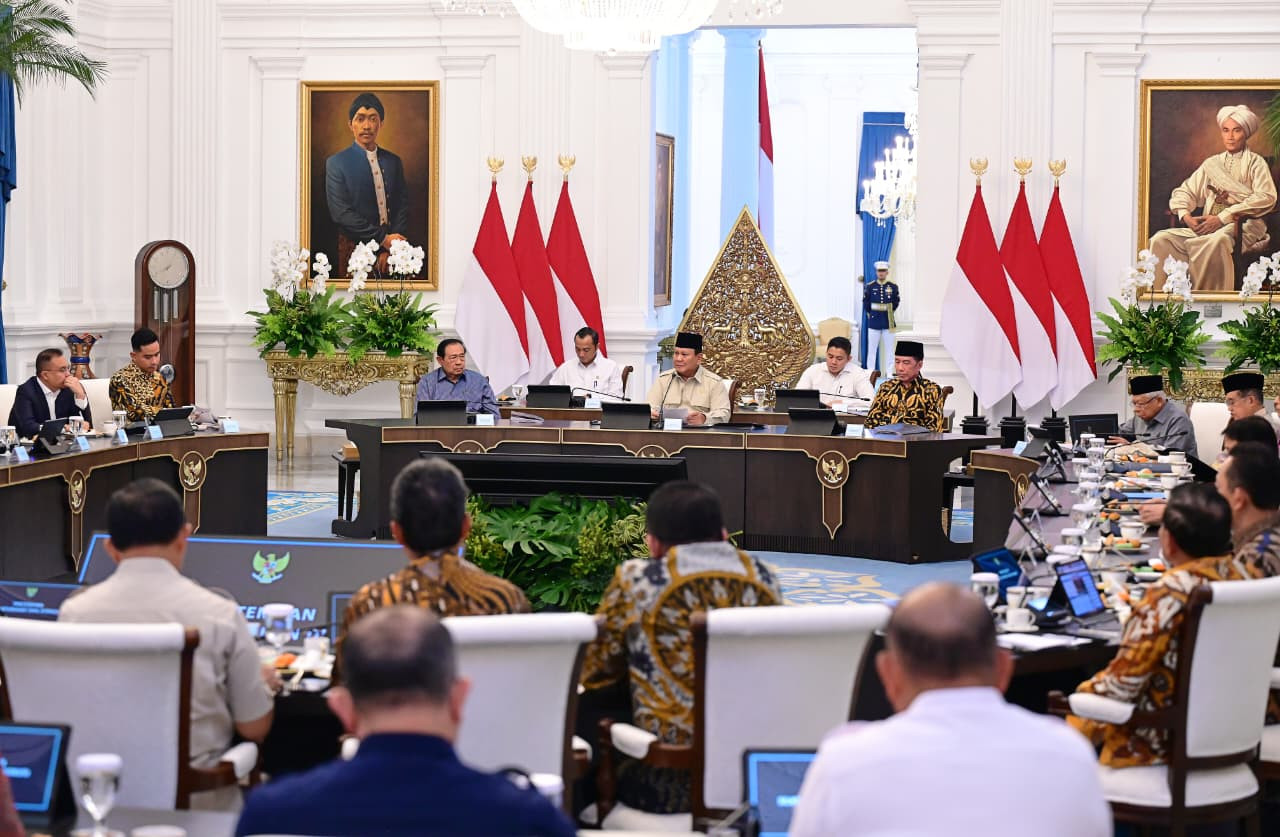 President Prabowo Subianto (center), sitting between former presidents Susilo Bambang Yudhoyono (third left) and Joko “Jokowi“ Widodo (third right), speaks during a meeting with top political and business figures on latest geopolitical development at the StatePalace in Jakarta on Feb. 3, 2026. During the meeting, the President discussed impacts of the escalated war launched by the United States and Israel against Iran. (Courtesy of Presidential Secretariat/Muchlis Jr)
T
he government has doubled down on its offer to mediate conflicting parties in the United States-Israel war against Iran, emphasizing the need for negotiations to solve the conflict in the region.
Speaking after the meeting hosted by President Prabowo Subianto with top political figures at the State Palace on Tuesday evening, Foreign Minister Sugiono said he had conveyed Indonesia’s readiness to assume a “bridging” role, once all sides approve it, to his Iranian counterpart Seyed Abbas Araghchi during a call on Monday.
He also reiterated to Tehran its commitment to respecting territorial integrity and sovereignty, while also relaying concerns from several Gulf nations affected by attacks in the past week.
“What is clear is that Indonesia seeks to serve as a bridge amid these differences, and we have conveyed our readiness to contribute to resolving the conflict,” Sugiono said.
Read also: Half a million Indonesians in limbo as Middle East conflict escalates
Concerns over the latest developments in the region cast a shadow over Tuesday’s meeting at the Palace, which focused on Jakarta’s strategic posture amid global tensions and potential disruptions to critical energy supply chains triggered by the war.
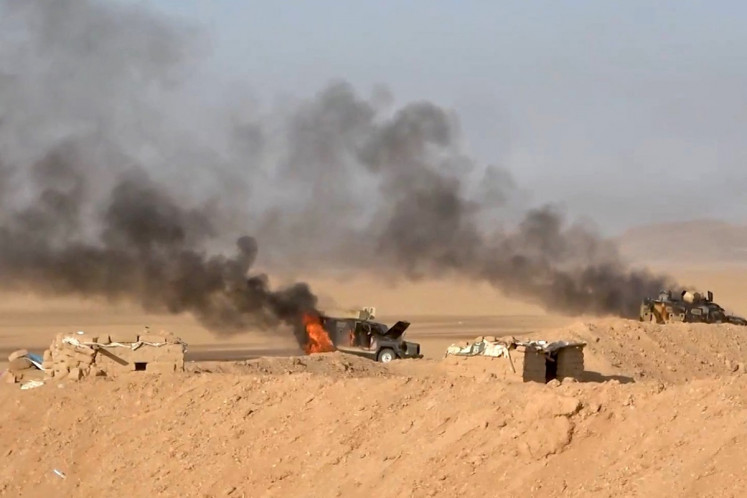
The conflict has escalated since the US and Israel launched strikes against Iran that killed its Supreme Leader Ayatollah Ali Khamenei, prompting retaliatory Iranian missile and drone attacks across the region. The country has also shut down traffic through the vital Strait of Hormuz and rejected any negotiation with Washington, heightening fears of prolonged war and global energy disruption.