The Jakarta Post
Please Update your browser
Your browser is out of date, and may not be compatible with our website. A list of the most popular web browsers can be found below.
Just click on the icons to get to the download page.


Popular Reads
Top Results
No results found. Please check your search term and try again
Can't find what you're looking for?
View all search results
Popular Reads
Top Results
No results found. Please check your search term and try again
Can't find what you're looking for?
View all search results‘Where Are We in Time’ reflects a world in flux
Museum MACAN's first exhibition season of 2026 brings together contemporary and historical works that examine how history, memory and power shape the landscapes we inherit, and how we navigate an increasingly uncertain world.
Change text size
Gift Premium Articles
to Anyone
Share the best of The Jakarta Post with friends, family, or colleagues. As a subscriber, you can gift 3 to 5 articles each month that anyone can read—no subscription needed!
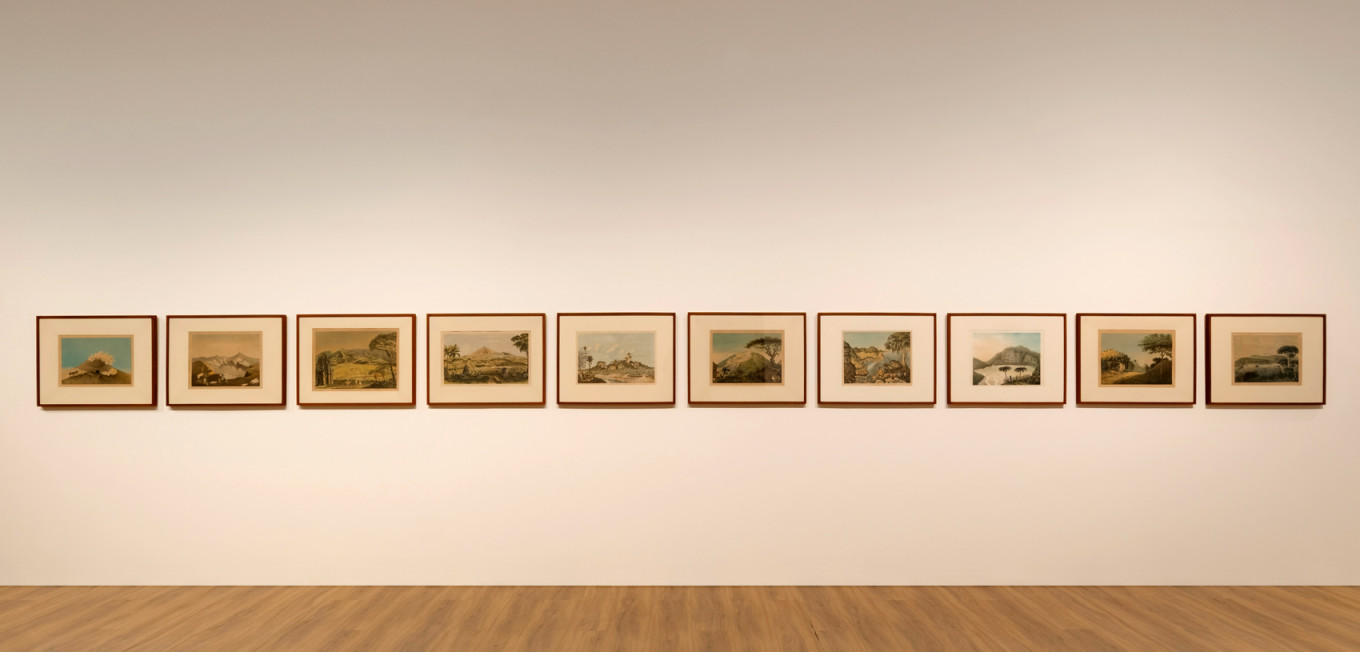 Mapping the landscape: A selection of lithographs by Franz Wilhelm Junghuhn is displayed as part of Where Are We in Time: A Season of Shifting Landscape at Museum MACAN in Jakarta, in this undated photograph. (Courtesy of Museum MACAN/-)
The ground beneath our feet seems to be shifting.
As the world grapples with wars, economic uncertainty, climate extremes and political upheaval, Museum MACAN's latest exhibition season asks visitors to reconsider how landscapes are shaped not only by geography, but also by history, memory and time.
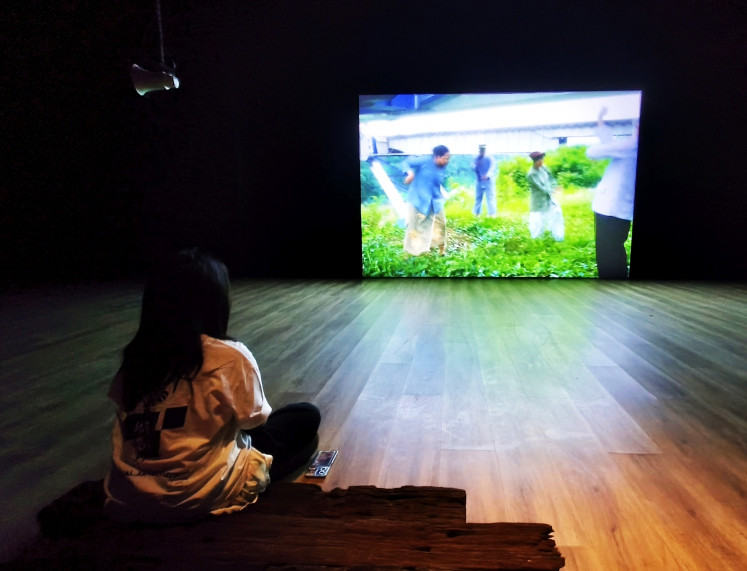
Where Are We in Time: A Season of Shifting Landscape, the museum's first exhibition series of 2026, brings together a solo exhibition by Indonesian filmmaker Riar Rizaldi, the group exhibition Menelan Cakrawala, special presentations by Malaysian textile artist Marcos Kueh and Singaporean multidisciplinary artist Dawn Ng, and a new children's artspace by Indonesian artist Ruth Marbun.
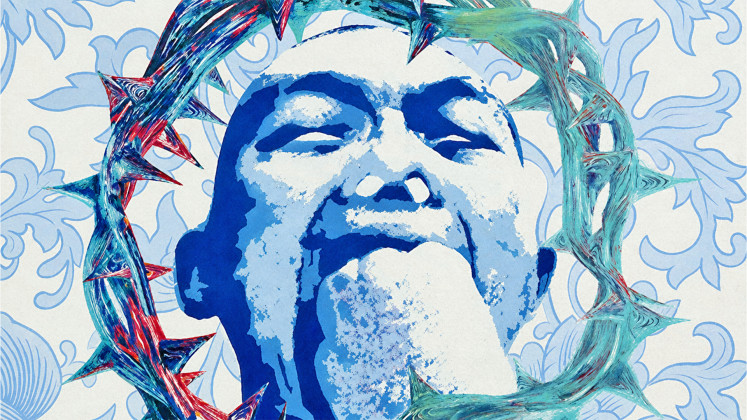
"This is the first time we've presented this many exhibitions in a single season," Museum MACAN assistant curator Aditya Lingga, who prefers to be called Lingga, said during a curatorial tour on June 11.
The season expands the idea of landscape beyond the physical world to explore the relationship between space and time.
"We often assume time moves in one direction. But time doesn't unfold in just one way. These exhibitions invite us to experience time differently," Lingga said.

More from The Weekender
A passport to the kingdom of the sick
A breast cancer diagnosis, a journey to the kingdom of the sick and a determination to describe what lies there without metaphor, euphemism or the word “fight.”

The weight of time
Richard Mille’s newest ultralight timepiece pares down haute horlogerie to its mechanical necessities, proving that sophistication often comes from knowing what to leave out.

At this wellness retreat, your poo is everybody’s business
Ayurvedagram promises balance through ancient Ayurvedic practices. For four days, I surrendered my schedule, my modesty and, almost, my digestive tract.