The Jakarta Post
Please Update your browser
Your browser is out of date, and may not be compatible with our website. A list of the most popular web browsers can be found below.
Just click on the icons to get to the download page.


Popular Reads
Top Results
No results found. Please check your search term and try again
Can't find what you're looking for?
View all search results
Popular Reads
Top Results
No results found. Please check your search term and try again
Can't find what you're looking for?
View all search resultsTwo Riau Islands cooperatives halt operations over financial struggles
Earlier this month, a Red and White Cooperative in Melawai, South Jakarta, drew public attention after reports showed it had generated only Rp 78,000 (US$4.34) in profit after six months of operations, despite receiving capital of Rp 3 billion.
Change text size
Gift Premium Articles
to Anyone
Share the best of The Jakarta Post with friends, family, or colleagues. As a subscriber, you can gift 3 to 5 articles each month that anyone can read—no subscription needed!
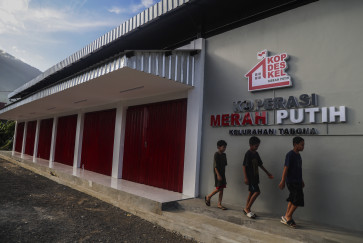
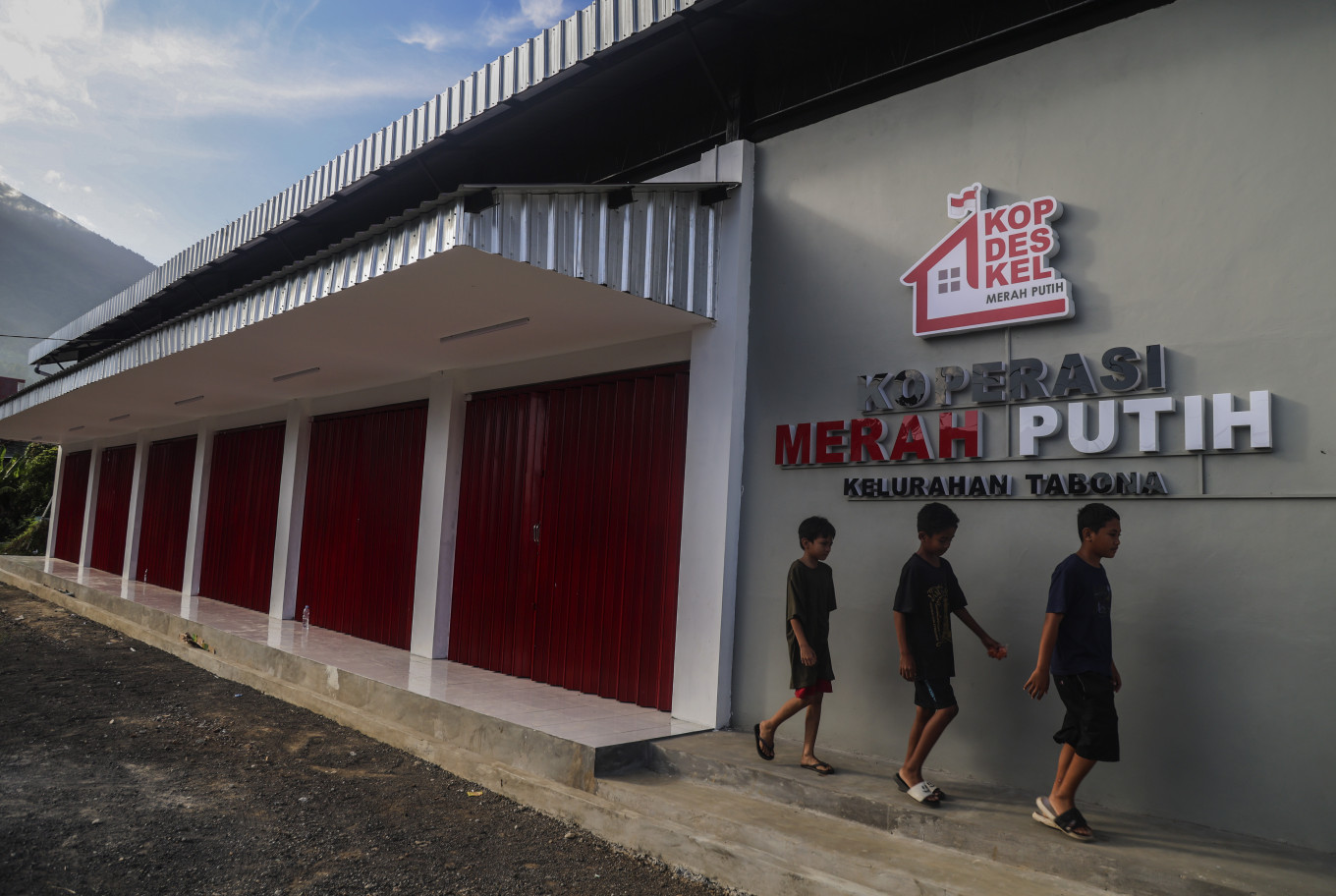 Three children walk past a Red and White Cooperative outlet on July 11 that has yet to begin operations in Ternate, North Maluku. The Indonesian government aims to have 40,000 cooperatives operating by the end of 2026 as part of efforts to strengthen rural economies, complete cooperative facilities and prepare professional staff to manage the program. (Antara/Andri Saputra)
J
ust five months after their launch, two Red and White Cooperatives in Batam have temporarily halted operations because of limited capital, raising concerns over the long-term sustainability of President Prabowo Subianto’s flagship cooperative program.
Riau Islands Cooperatives, Small and Medium Enterprises (UKM) Agency head Riki Rionaldi said the affected cooperatives are located in Buluh island, Batam, and Kijang Kota subdistrict in Bintan regency.
"Both cooperatives have temporarily suspended operations, not because of a lack of public interest, but because their existing business models were unable to sustain operational costs. We have invited them for discussions to seek solutions," Riki said on Thursday, as quoted by Bisnis.com.
Riki said the two cooperatives were pilot projects established independently through members’ savings contributions, without the government support later provided to other Red and White Cooperatives. The two cooperatives also continue to operate from rented buildings.
Under the government program, other Red and White Cooperatives can apply for loans of up to Rp 3 billion from state-owned banks Himbara and receive buildings and supporting facilities from state-owned PT Agrinas Pangan Nusantara, which is tasked with running the initiative.
Riki said evaluations showed that public demand for the cooperatives was relatively high. However, transaction volumes remain too low for the businesses to generate sufficient revenue to cover operational expenses, including building rent and employee salaries.

He said the cooperatives’ profit margins were also limited by inefficient supply chains. Several commodities in high demand among consumers, including subsidized LPG, cooking oil and fertilizer, were not yet available through the cooperatives, restricting their ability to expand revenue.