The Jakarta Post
Please Update your browser
Your browser is out of date, and may not be compatible with our website. A list of the most popular web browsers can be found below.
Just click on the icons to get to the download page.


Popular Reads
Top Results
No results found. Please check your search term and try again
Can't find what you're looking for?
View all search results
Popular Reads
Top Results
No results found. Please check your search term and try again
Can't find what you're looking for?
View all search resultsFreezing of protester’s bank account draws flak
Civil groups said the timing of Bank Mandiri’s freezing of a protest coordinator’s account raised concerns that banking powers were being used to restrict citizens’ right to protest.
Change text size
Gift Premium Articles
to Anyone
Share the best of The Jakarta Post with friends, family, or colleagues. As a subscriber, you can gift 3 to 5 articles each month that anyone can read—no subscription needed!
 Set as preferred source
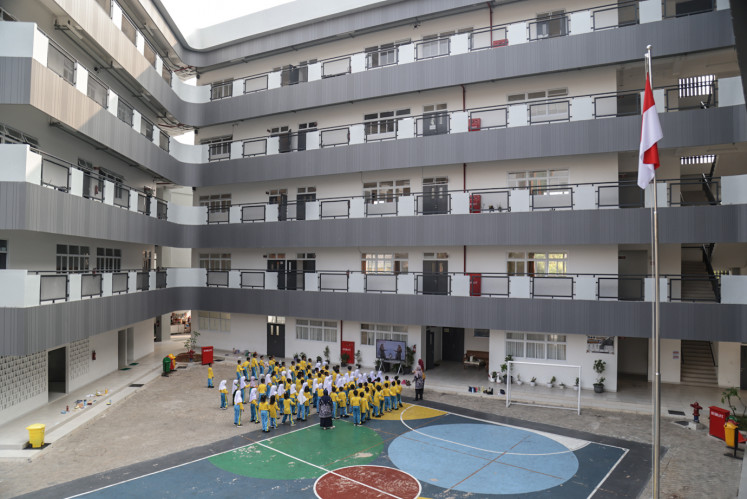
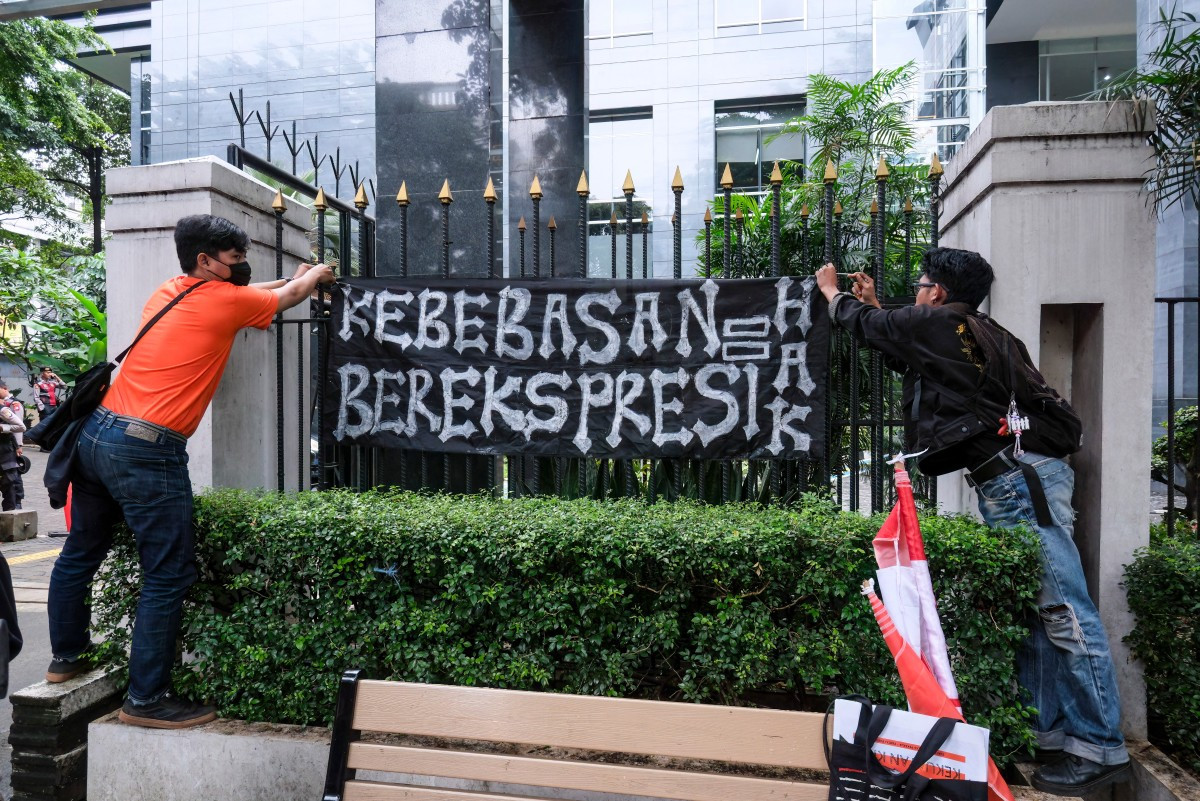 Two activists display a banner reading “Freedom of Expression = Rights“ during the verdict hearing for activists Delpedro Marhaen Rismansyah, Khariq Anhar, Muzaffar Salim and Syahdan Husein, who were standing trial in an alleged incitement case related to anti-government protests that ended in riots between August and September 2025, at the Central Jakarta District Court in Central Jakarta on March 6, 2026. (AFP/Bay Ismoyo)
B
ank Mandiri’s freezing of a protest coordinator’s account has drawn strong criticism from civil society groups, which have warned the move restricts civic freedoms.
The account belongs to Supriyono, coordinator of the United Pati People’s Alliance (AMPB), a group which has organized residents from Pati, Central Java, to protest outside the House of Representatives in Jakarta on Aug. 27, where protesters are expected to demand the seizure of assets belonging to corruption convicts and the death penalty for corruption convicts.
The bank account contains around Rp 80.9 million (US$4,900) in personal funds and public donations intended to cover food, transportation and accommodation for protesters. Mandiri, the publicly listed state-run bank, has since apologized and attributed the freeze to a request from law enforcement authorities, but refrained from identifying the agency involved or providing details of the case or the legal basis for the request.
“The blocking was taken at the request of law enforcement authorities and was conducted in accordance with prevailing procedures and regulations,” Mandiri said, adding that it remains committed to uploading good governance principles.
But a coalition of rights groups, including the Center of Economic and Law Studies (Celios), the Indonesian Legal Aid Foundation (YLBHI) and Amnesty International Indonesia, argued the freeze could violate Article 140 of the Criminal Law Procedures Code, which requires court authorization for an account to be frozen as a coercive measure.
In urgent circumstances, investigators can freeze an account before obtaining approval but must seek authorization from the head of a district court within 48 hours, they said.

The coalition further argued that the timing of the freeze raised concerns that banking powers were being used to restrict citizens’ right to protest.