TheJakartaPost
Please Update your browser
Your browser is out of date, and may not be compatible with our website. A list of the most popular web browsers can be found below.
Just click on the icons to get to the download page.


Popular Reads
Top Results
No results found. Please check your search term and try again
Can't find what you're looking for?
View all search results
Popular Reads
Top Results
No results found. Please check your search term and try again
Can't find what you're looking for?
View all search resultsSocial safeguards key to sustainable and ethical landscape management
Once hailed as a revolutionary solution to climate change, carbon market’s credibility began to erode to the point where late-night TV hosts joked about carbon offsets.
Change text size
Gift Premium Articles
to Anyone
Share the best of The Jakarta Post with friends, family, or colleagues. As a subscriber, you can gift 3 to 5 articles each month that anyone can read—no subscription needed!
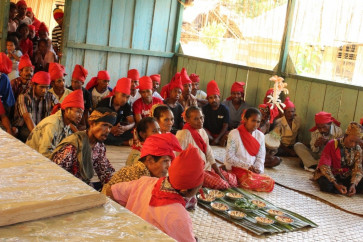
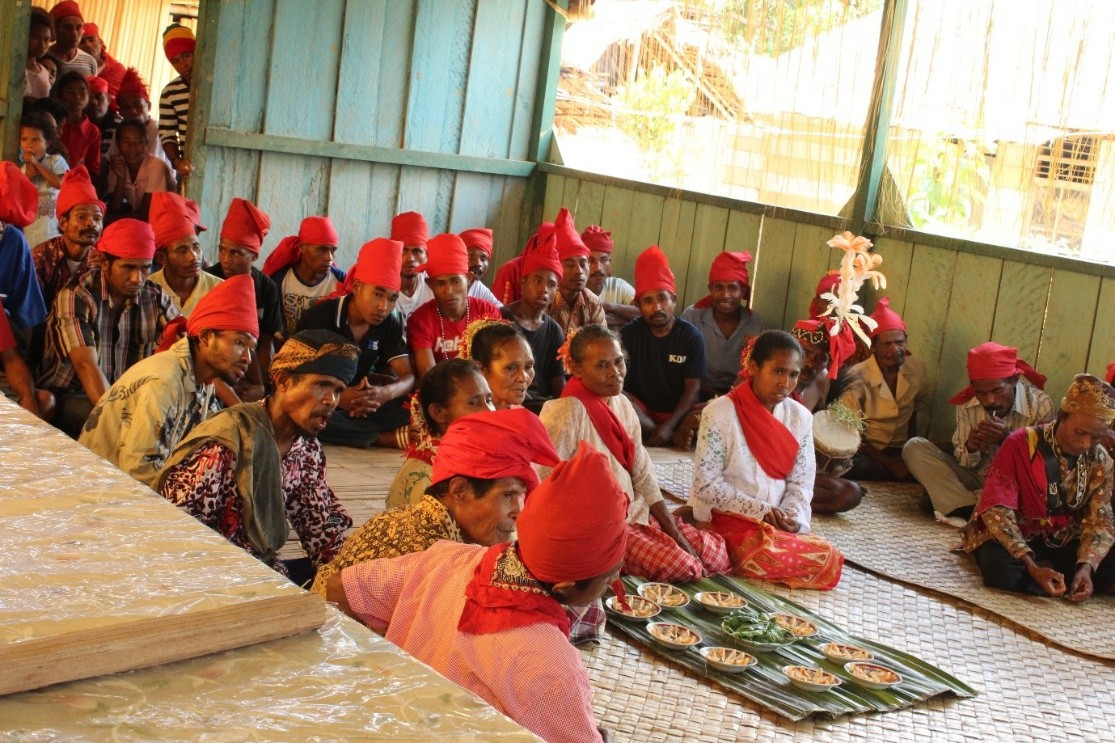 Customary deliberations held by the Manusela Indigenous Community in the northern part of Seram, Central Maluku, Maluku. (Image courtesy of Aliansi Masyarakat Adat Nusantara (AMAN))
I
ndigenous peoples and local communities were front and center at this year’s climate Conference of Parties (COP30). The participation of indigenous peoples and local communities surpassed any previous COP, with some 3,000 indigenous individuals joining from around the world.
There was also the landmark adoption of the Intergovernmental Land Tenure Commitment, recognizing land tenure rights for indigenous peoples, local communities and Afro-descendant populations. There is now a commitment to collectively recognize and strengthen 160 million hectares of indigenous peoples and local community lands by 2030.
Taken together, these developments reflect growing awareness around the essential role of Indigenous Peoples and local communities in forest protection and efforts to tackle the climate crisis. This reinforces a hard lesson learned by carbon markets over the past several years, ignoring local communities comes at a high cost.
In 2024, global carbon markets faced a significant crisis of confidence. Once hailed as a revolutionary solution to climate change, the market’s credibility began to erode to the point where late-night TV hosts joked about carbon offsets.
This skepticism is rooted in doubts about whether carbon credits truly represent real and lasting emission reductions. And it is fueled by troubling stories from the ground, accounts of communities displaced by opportunistic intermediaries or “carbon cowboys”, indigenous rights signed away for a fraction of the profits, and projects that failed to deliver promised benefits.
Communities being sidelined is one of the most potent threats to the future of global carbon markets. In response, the industry has begun a much-needed course correction. The Integrity Council for the Voluntary Carbon Market, which is the emerging standard-bearer for global carbon credit integrity, has placed social integrity at the heart of its agenda.

Advisory groups of indigenous peoples and local communities are now influencing the design of carbon standards and monitoring frameworks. Across the sector, expectations are rising for how projects engage with, and are accountable to, the people who live in and depend on these landscapes.