The Jakarta Post
Please Update your browser
Your browser is out of date, and may not be compatible with our website. A list of the most popular web browsers can be found below.
Just click on the icons to get to the download page.


Popular Reads
Top Results
No results found. Please check your search term and try again
Can't find what you're looking for?
View all search results
Popular Reads
Top Results
No results found. Please check your search term and try again
Can't find what you're looking for?
View all search resultsAnalysis: Danantara’s bigger mandate, bigger questions
Change text size
Gift Premium Articles
to Anyone
Share the best of The Jakarta Post with friends, family, or colleagues. As a subscriber, you can gift 3 to 5 articles each month that anyone can read—no subscription needed!
 Set as preferred source
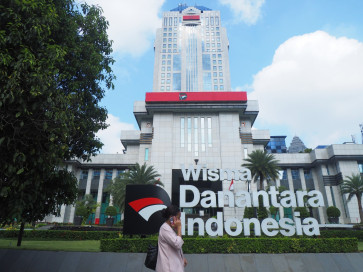
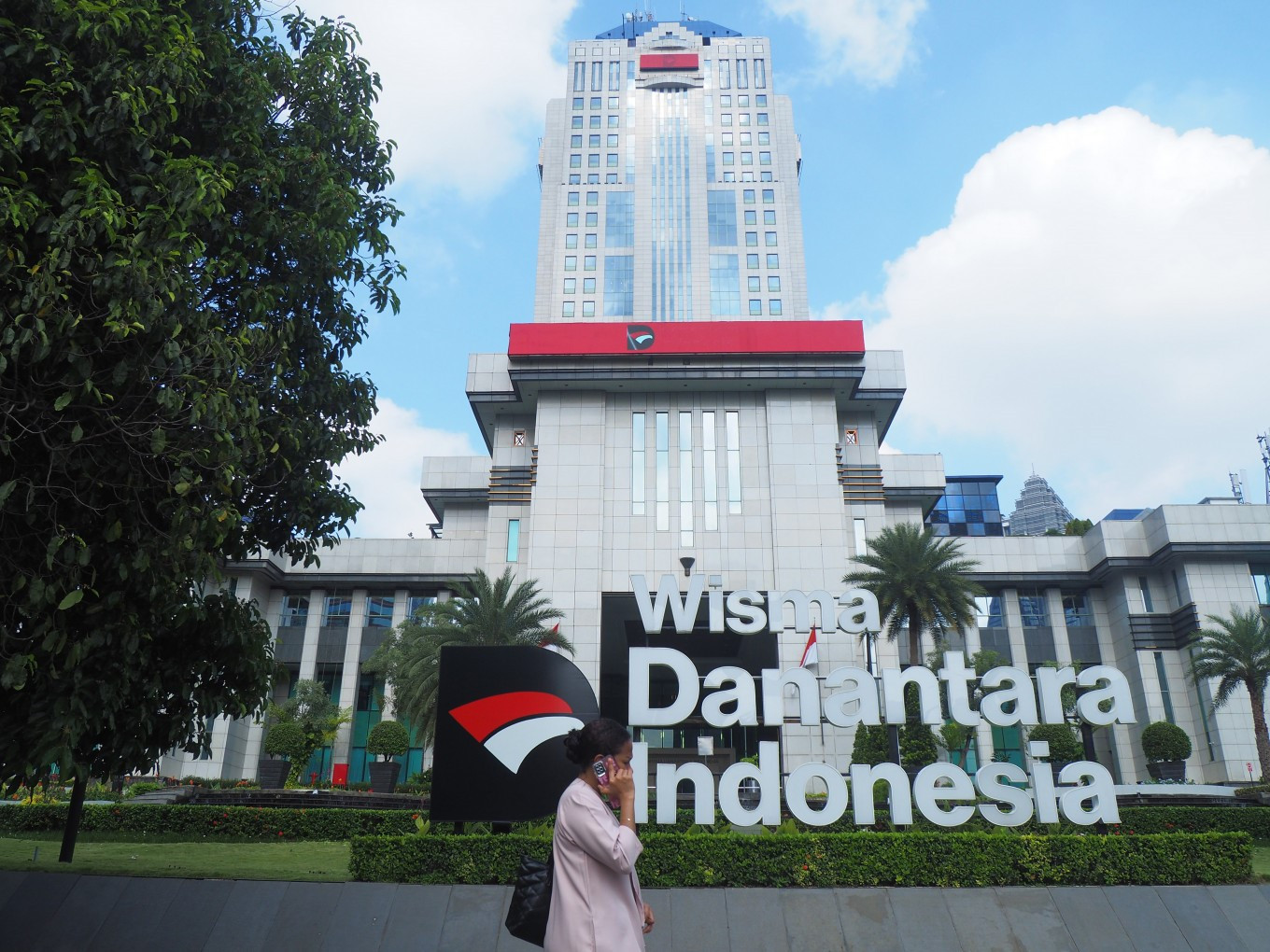 A woman walks past the Wisma Danantara Indonesia building on May 6, 2026, on Jl. Jend. Gatot Subroto in South Jakarta. (JP/Iqro Rinaldi)
M
ore than a year after its establishment, Danantara has yet to demonstrate meaningful progress in restructuring state-owned enterprises (SOEs), despite mounting financial pressures, delayed consolidation plans and growing concerns over transparency. As Danantara expands its mandate, most recently into the management of natural resource exports, the debate is no longer merely about corporate governance, but about the broader direction of Indonesia’s economic management.
Danantara’s governance issues became increasingly apparent after the institution described itself as a sui generis entity, a special body established by law that exists outside both central government and regional administration structures, while possessing autonomous authority to carry out certain state functions. Consequently, Danantara stated that it is only required to submit its annual financial reports to state auditors, namely the Audit Board of Indonesia (BPK).
This position has raised concerns regarding Danantara’s accountability and transparency, particularly because it does not fully reflect internationally recognized governance practices adopted by other sovereign wealth funds, such as Norway’s Government Pension Fund Global and Singapore’s Temasek Holdings, both of which maintain stronger public disclosure standards to sustain broader market accountability.
The financial performance of major SOEs in 2025 also illustrates concerns over Danantara’s role as the orchestrator of SOE investments. Profitability across key sectors has weakened significantly. Among state-owned banks, the largest contributors to government dividends, only Bank Mandiri recorded positive profit growth, albeit a modest 0.9 percent, lower than the previous year. Meanwhile, Bank Rakyat Indonesia (BRI) and Bank Negara Indonesia (BNI) posted negative growth of minus 5.26 percent and minus 6.6 percent, respectively.
Despite weakening earnings, BRI raised its dividend payout ratio from 86 percent to 92 percent, pushing dividend payments from Rp 31.4 trillion to Rp 52.1 trillion. While beneficial in the short term for state revenue and Danantara funding, the higher payout ratio raises concerns over the long-term sustainability of BRI’s balance sheet.
Conditions in the real sector appear even more fragile. MIND ID saw profits decline nearly 27.9 percent amid falling commodity prices and weaker global demand. Telkom Indonesia recorded a 20.5 percent drop in profit, while profit margins fell from 14.9 percent to 12.1 percent, reflecting the global trend of margin compression in the telecommunications industry.

Other major SOEs remain under severe financial pressure. Garuda Indonesia posted another large loss in 2025 of Rp 5.4 trillion, while construction SOEs, including Wijaya Karya, Pembangunan Perumahan, Adhi Karya and Waskita Karya, recorded combined losses of roughly Rp 28 trillion.