The Jakarta Post
Please Update your browser
Your browser is out of date, and may not be compatible with our website. A list of the most popular web browsers can be found below.
Just click on the icons to get to the download page.


Popular Reads
Top Results
No results found. Please check your search term and try again
Can't find what you're looking for?
View all search results
Popular Reads
Top Results
No results found. Please check your search term and try again
Can't find what you're looking for?
View all search resultsGulf exporters' quest to bypass Hormuz will reshape the region
The Iran war exposed the dangers of relying on a single chokepoint for vital oil and gas exports, leaving Gulf governments with a clear strategic imperative: diversify, at all costs.
Change text size
Gift Premium Articles
to Anyone
Share the best of The Jakarta Post with friends, family, or colleagues. As a subscriber, you can gift 3 to 5 articles each month that anyone can read—no subscription needed!
 Set as preferred source
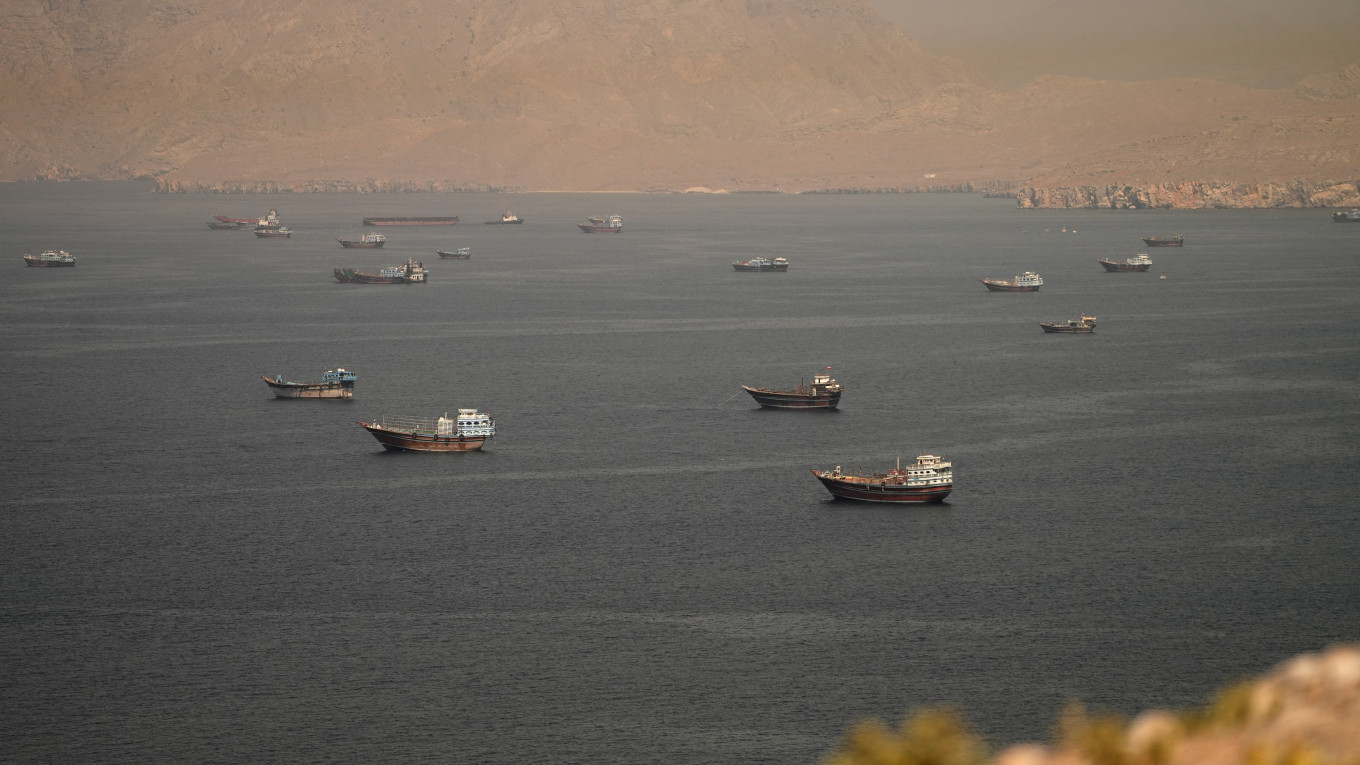 Vessels in the Strait of Hormuz, as seen from Musandam, Oman, on June 18, 2026. (Reuters/STR)
M
iddle East oil producers face a reckoning. The Iran war exposed the dangers of relying on a single chokepoint for vital oil and gas exports, leaving Gulf governments with a clear strategic imperative: diversify, at all costs.
An Iranian blockade of the Strait of Hormuz had long been viewed as a “Doomsday” event that would never happen. Experts assumed it would require a massive military effort and that Tehran would be reluctant to choke off its own exports.
Those assumptions were proven painfully wrong. Iran imposed a near-airtight blockade using cheap drones, small vessels and mines, while continuing to export its own oil, at least until the United States Navy imposed its own blockade on Iranian shipping.
This stranded a fifth of the world’s oil and liquefied natural gas (LNG) supplies, triggering unprecedented turmoil across the region’s vast energy industry, with repercussions felt worldwide.
Countries lost vital export revenues and were forced to shut down around 11 million barrels per day (bpd) of oil production, along with multiple refineries and LNG facilities.
While Washington and Tehran have agreed to negotiate a permanent peace deal, the “Hormuz genie” cannot be put back into the bottle. Future closures are now a real and persistent risk for the region and the global economy.

As a result, developing alternative routes for exports of energy, chemicals and fertilizer has become a matter of economic survival for Gulf nations.