The Jakarta Post
Please Update your browser
Your browser is out of date, and may not be compatible with our website. A list of the most popular web browsers can be found below.
Just click on the icons to get to the download page.


Popular Reads
Top Results
No results found. Please check your search term and try again
Can't find what you're looking for?
View all search results
Popular Reads
Top Results
No results found. Please check your search term and try again
Can't find what you're looking for?
View all search resultsThe energy transition's next test is security
The global energy transition is no longer just a race for sustainability—it’s a high-stakes battle for geopolitical security and economic survival.
Change text size
Gift Premium Articles
to Anyone
Share the best of The Jakarta Post with friends, family, or colleagues. As a subscriber, you can gift 3 to 5 articles each month that anyone can read—no subscription needed!
 Set as preferred source
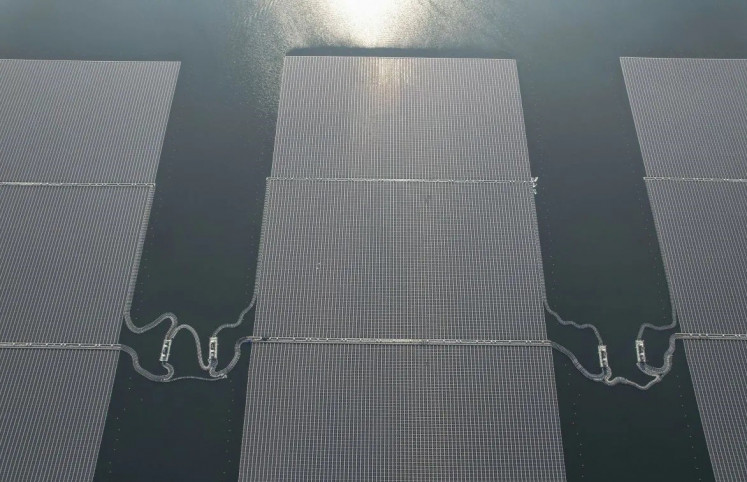
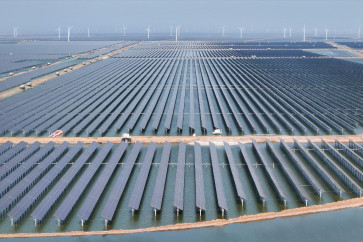
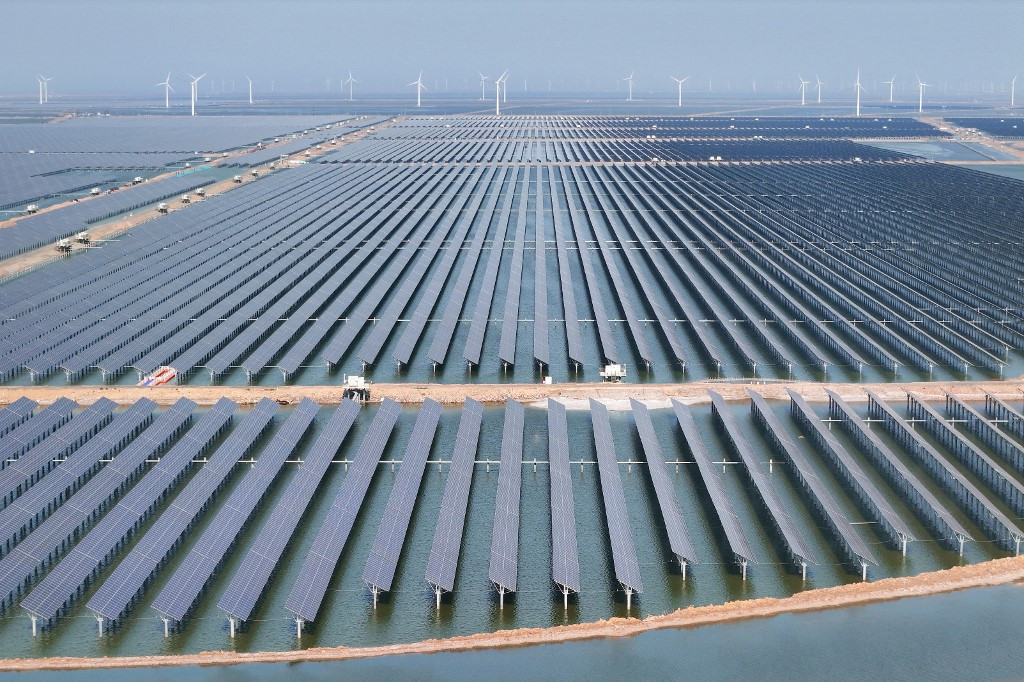 Solar panels and wind turbines are seen on June 11, 2025, at the Huaneng Binzhou new energy power generation project in Binzhou, in China's eastern Shandong province. (AFP/AFP)
T
he disruption to energy flows through the Strait of Hormuz sent shockwaves far beyond oil and gas markets. The effects quickly rippled through global shipping, industrial supply chains and household bills, while adding to inflationary and fiscal pressures.
But the crisis also reinforced an urgent reality: For many countries, the energy transition is as much about security and economic resilience as it is about sustainability.
For much of the past decade, the central question shaping the transition debate was whether clean technologies could scale quickly enough to compete with fossil fuels. In many sectors and regions, that question has been answered. In 2025, renewables and nuclear generated 42 percent of global electricity usage, renewable generation grew by 9 percent and global investment in clean energy reached a record US$2.3 trillion.
The harder question now is whether countries can build diversified and secure energy systems that remain affordable, sustainable and resilient under stress.
New World Economic Forum research suggests that many countries are struggling to succeed on all three fronts at once. While global progress on clean-energy deployment continued in the last year, the foundations that determine whether progress can last—investment, infrastructure, policy stability and innovation—came under pressure. Energy security showed the clearest signs of strain, as geopolitical tensions, infrastructure bottlenecks and supply-chain concentration grew more acute. The Hormuz crisis only accelerated this trend.
This vulnerability is increasingly shaping how governments think about the energy transition.

In the past, progress was measured largely by deployment: How quickly or affordably countries could build renewable capacity, scale electric vehicles or attract investment. Today, security has become a more important measure of success: the ability to maintain reliable and affordable energy systems amid growing geopolitical uncertainty.