The Jakarta Post
Please Update your browser
Your browser is out of date, and may not be compatible with our website. A list of the most popular web browsers can be found below.
Just click on the icons to get to the download page.


Popular Reads
Top Results
No results found. Please check your search term and try again
Can't find what you're looking for?
View all search results
Popular Reads
Top Results
No results found. Please check your search term and try again
Can't find what you're looking for?
View all search resultsPremature repatriation risks deepening the Rohingya crisis
Repatriation without rights risks reproducing the very crisis it seeks to resolve.
Change text size
Gift Premium Articles
to Anyone
Share the best of The Jakarta Post with friends, family, or colleagues. As a subscriber, you can gift 3 to 5 articles each month that anyone can read—no subscription needed!
 Set as preferred source
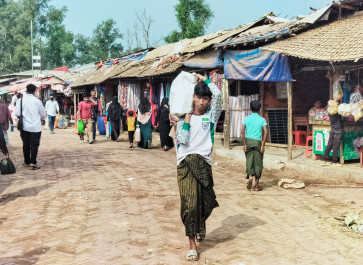
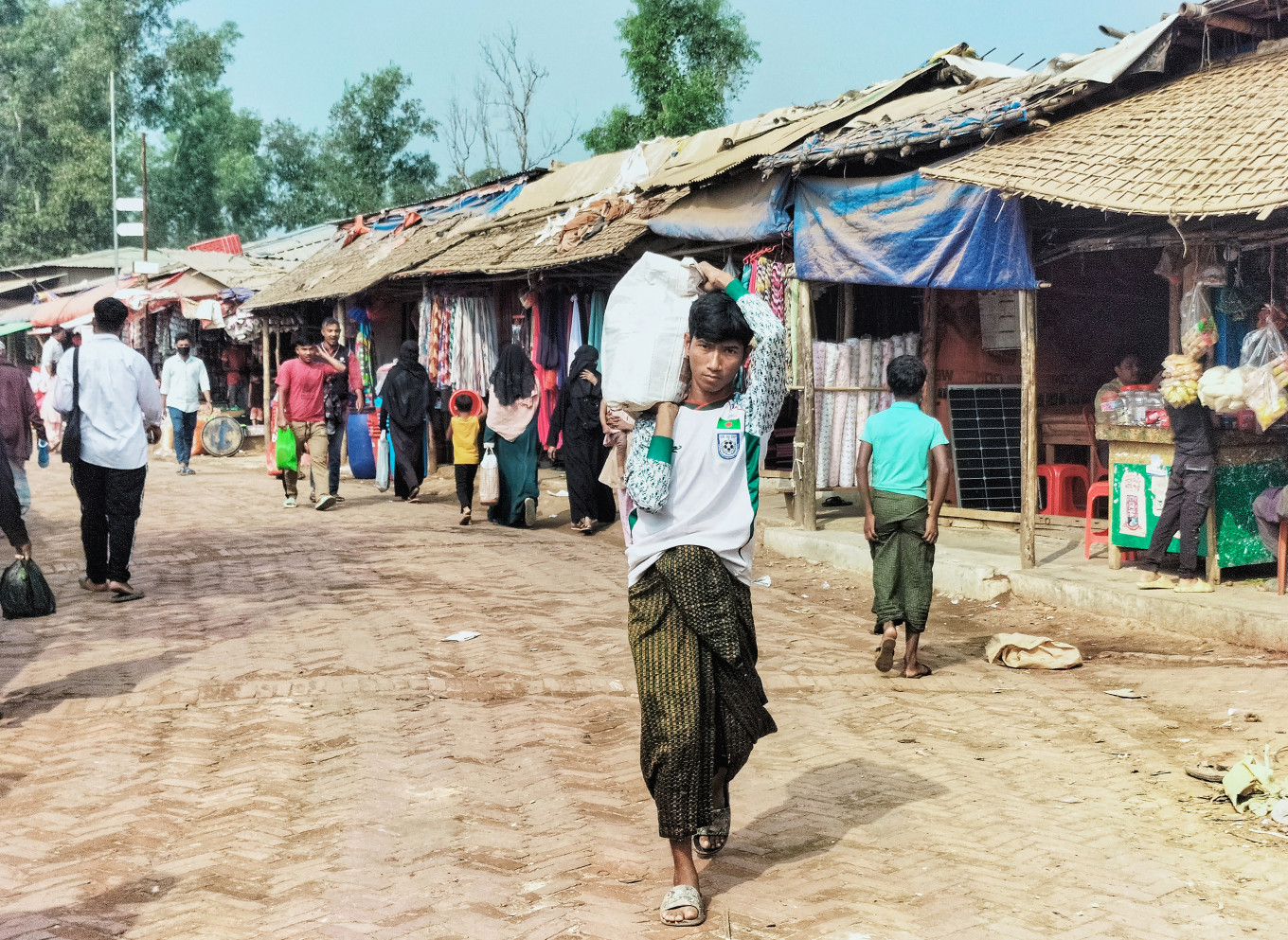 A Rohingya refugee carrying a sack walks across a market on Jan. 12, 2026, at the Kutupalong refugee camp in Ukhia, Bangladesh. (AFP/MH Mustafa)
M
alaysia’s announcement that Myanmar has agreed to receive 5,000 refugees currently living in the country has been presented as a diplomatic breakthrough in one of Southeast Asia’s longest-running humanitarian crises. Prime Minister Anwar Ibrahim stated on July 29 that the agreement was made possible through constructive engagement with Myanmar.
So far, the proposal has been articulated almost entirely by Kuala Lumpur. Myanmar authorities have yet to publicly clarify the scope of the agreement, the legal status of returnees or the conditions they would face upon arrival.
The unanswered questions are fundamental. Will returnees regain citizenship and enjoy freedom of movement, access to education, health care and livelihood? Who will guarantee their protection from discrimination, arbitrary detention or renewed violence?
The issue is not whether the Rohingya should eventually return to Myanmar. Safe, voluntary and dignified return remains the preferred long-term solution to any refugee crisis. The more pressing question is whether Myanmar has created the conditions that make such a return possible.
The Rohingya crisis is fundamentally a crisis of citizenship. The Rohingya had endured decades of systematic discrimination, exclusion and denial of citizenship. The coup intensified Myanmar’s conflict, but it did not create the structural conditions that forced the Rohingya from their homes.
This distinction matters because durable solutions cannot be measured by the number of refugees who cross a border. They must be judged by whether the conditions that caused displacement have fundamentally changed. Repatriation without rights risks reproducing the very crisis it seeks to resolve.

Although Malaysia is not a party to the 1951 Refugee Convention, it has hosted a substantial Rohingya population for years, growing refugee numbers have generated understandable concerns over irregular migration, public services and social cohesion. No host country should be expected to shoulder a protracted refugee crisis indefinitely without stronger regional and international support. Yet migration management cannot come at the expense of refugee protection.