The Jakarta Post
Please Update your browser
Your browser is out of date, and may not be compatible with our website. A list of the most popular web browsers can be found below.
Just click on the icons to get to the download page.


Popular Reads
Top Results
No results found. Please check your search term and try again
Can't find what you're looking for?
View all search results
Popular Reads
Top Results
No results found. Please check your search term and try again
Can't find what you're looking for?
View all search resultsThe case for a pay-where-you-play tax system
The global tax system has repeatedly put corporate interests ahead of people and the planet by allowing multinationals to transfer profits to tax havens. If adopted, the proposed UN Tax Convention would overturn the century-old rules that make this possible.
Change text size
Gift Premium Articles
to Anyone
Share the best of The Jakarta Post with friends, family, or colleagues. As a subscriber, you can gift 3 to 5 articles each month that anyone can read—no subscription needed!
 Set as preferred source
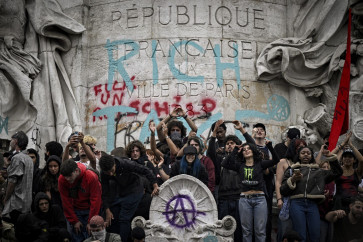
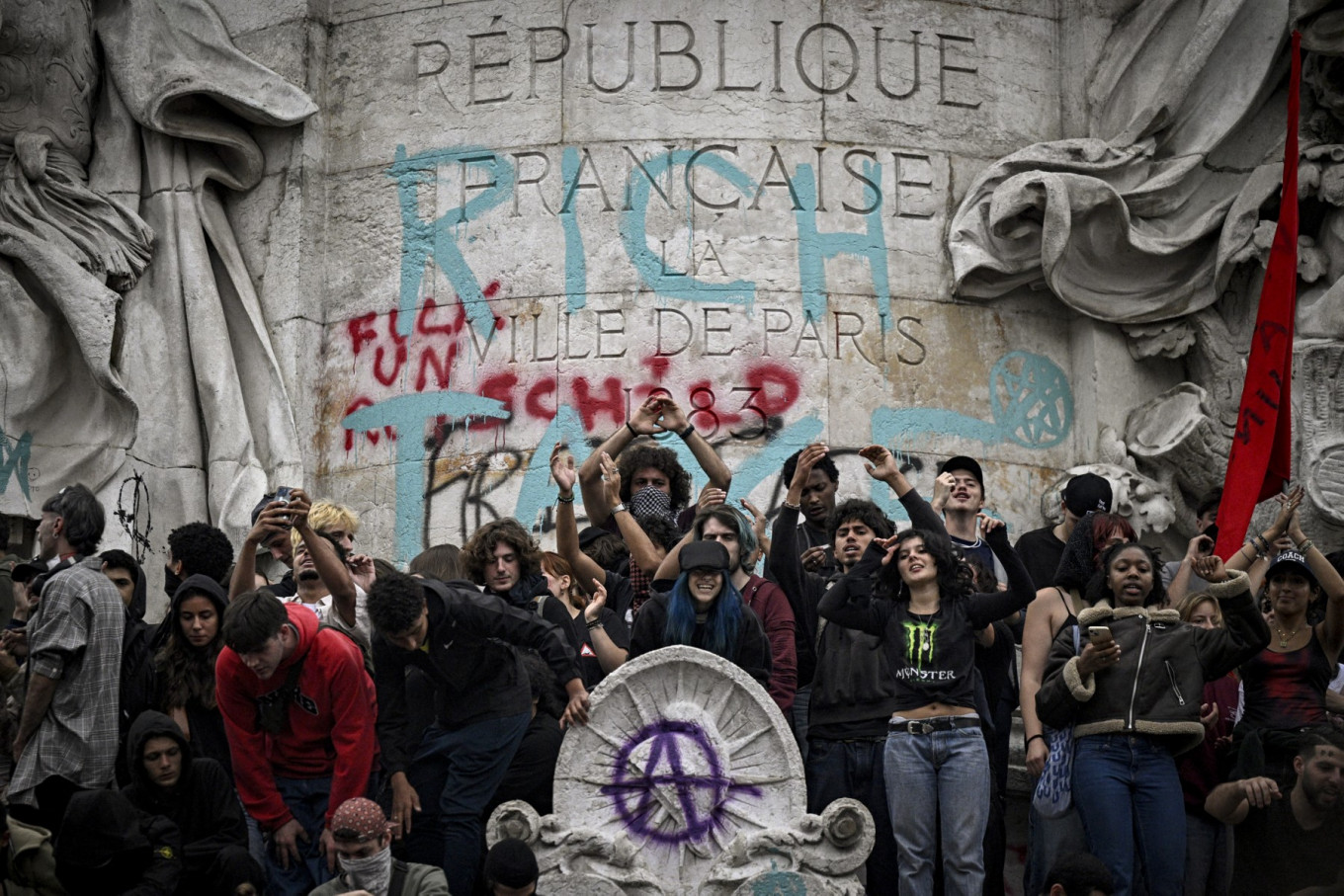 Protesters gather before a monument with graffiti that reads “tax the rich” on Sept. 10, 2025, during a rally held as part of the “Bloquons tout“ (Let's block everything) protest movement at Place de la République in Paris. (AFP/Julien de Rosa)
T
his week, delegates from around the world will gather in New York to negotiate the proposed United Nations Framework Convention on International Tax Cooperation, a landmark agreement aimed at making global tax cooperation more inclusive and effective. If adopted, the convention would represent the most consequential overhaul of the global tax system in nearly a century, fundamentally changing how countries tax multinational corporations and potentially the world’s wealthiest individuals.
New research by the global union federation Public Services International (PSI) and the Tax Justice Network underscores the urgent need to reform the international tax system. Drawing on publicly available country-by-country reporting data, it estimates that governments could collect an additional US$500 billion in corporate tax each year by replacing today’s “pay where you say” system with a “pay where you play” approach.
The current system is the product of century-old rules that are no longer fit for purpose. By allowing governments to tax multinational corporations where they declare their profits rather than where they generate them, it rewards companies for shifting taxable income into tax havens before reporting it.
In 2012, the Group of 20 tasked the OECD with aligning where profits are reported with where companies actually operate. That effort failed, and profit shifting has only intensified.
According to the PSI-Tax Justice Network report, taxing profits where they are actually earned would increase multinational corporations’ tax payments 24 percent without requiring any country to raise its corporate tax rate.
The negotiations in New York represent the best opportunity in decades to replace the outdated “pay where you say” model with a “pay where you play” framework, which taxes multinational corporations where they employ people and sell goods and services. This reform could make tax havens obsolete overnight and restore governments’ ability to tax economic activity taking place within their own borders.

Under such a framework, the largest revenue gains would go to the world’s richest economies, but the greatest impact would be felt in the poorest. For many lower-income countries, the additional revenue would amount to several times what they currently collect from multinational corporations.