The Jakarta Post
Please Update your browser
Your browser is out of date, and may not be compatible with our website. A list of the most popular web browsers can be found below.
Just click on the icons to get to the download page.


Popular Reads
Top Results
No results found. Please check your search term and try again
Can't find what you're looking for?
View all search results
Popular Reads
Top Results
No results found. Please check your search term and try again
Can't find what you're looking for?
View all search resultsThe ‘londo ireng’ state: How Indonesia betrays its indigenous peoples
Modern colonialism no longer arrives in wooden warships or under foreign flags. It sits in executive offices, speaks the national language and cloaks itself in the slick rhetoric of "national development."
Change text size
Gift Premium Articles
to Anyone
Share the best of The Jakarta Post with friends, family, or colleagues. As a subscriber, you can gift 3 to 5 articles each month that anyone can read—no subscription needed!
 Set as preferred source
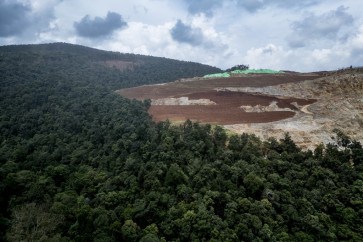
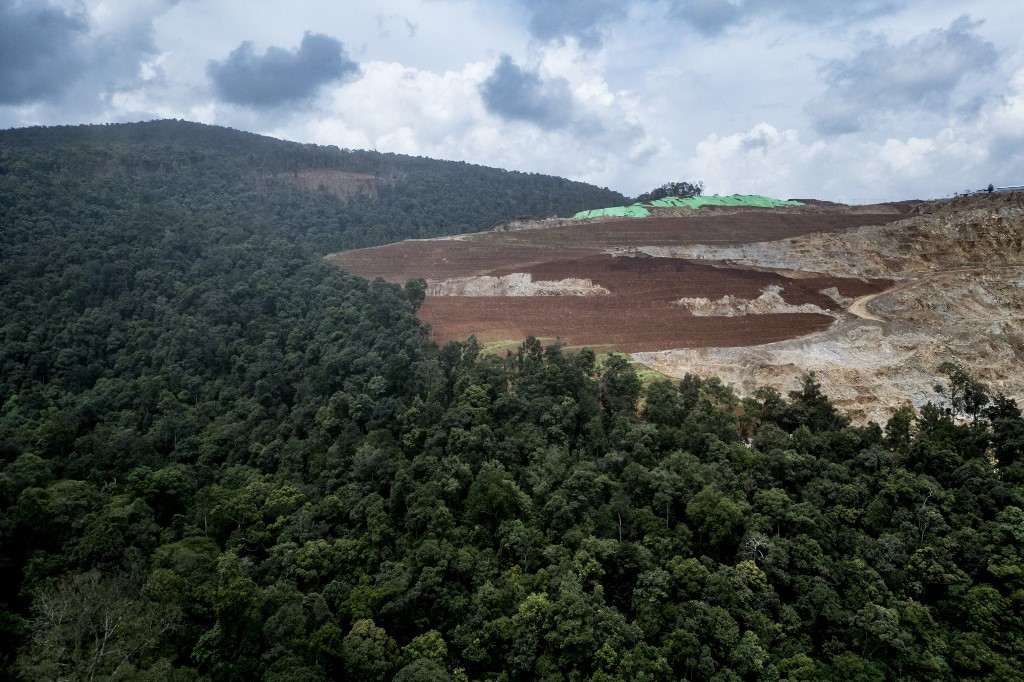 A nickel mining site encroaches upon a forest on April 16, 2025, where members of the Hongana Manyawa indigenous tribe regularly patrol to monitor mining activity in East Halmahera, North Maluku. (AFP/-)
T
he phrase londo ireng (black Dutchman) carries a bitter, deeply painful history in Indonesia's collective memory. Born during the 19th-century colonial era, it originally described the West African mercenaries recruited by the Dutch army to suppress local resistance, as well as the native pribumi administrators who sold out their own communities to enforce colonial tax collection and forced cultivation.
To be called a londo ireng is to be branded the ultimate traitor: a countryman who wears native skin but wields the oppressor’s whip.
When Prabowo Subianto infamously weaponized the term in public discourse to paint journalists, critics and observers as foreign proxies, it was deeply jarring — a racially charged, divisive phrase entirely unfit for high office. Yet, there is a biting irony at play: if the label fits anyone in modern Indonesia, it fits the state apparatus itself.
Modern colonialism no longer arrives in wooden warships or under foreign flags. It sits in executive offices, speaks the national language, and cloaks itself in the slick rhetoric of "national development."
In delaying and quietly suffocating the Indigenous Peoples' Rights Bill, Indonesia's political leaders are playing the exact historical role of the domestic overseer — acting as internal colonizers who betray their own citizens to line corporate pockets.
This internal betrayal is made all the more glaring by the state's systematic refusal to grant legal status to customary land.

According to mapping by civil society and the Ancestral Domain Registration Agency (BRWA), indigenous communities across the archipelago — from Sumatra and Kalimantan to Sulawesi, Maluku, Nusa Tenggara and Papua — have identified and mapped over 36.4 million hectares of ancestral territory (wilayah adat).