The Jakarta Post
Please Update your browser
Your browser is out of date, and may not be compatible with our website. A list of the most popular web browsers can be found below.
Just click on the icons to get to the download page.


Popular Reads
Top Results
No results found. Please check your search term and try again
Can't find what you're looking for?
View all search results
Popular Reads
Top Results
No results found. Please check your search term and try again
Can't find what you're looking for?
View all search resultsStopping the corrupt revolving door from within
To truly stop corruption, Indonesia must look beyond prosecuting rogue individuals and install unbreakable internal controls where the revolving door starts spinning.
Change text size
Gift Premium Articles
to Anyone
Share the best of The Jakarta Post with friends, family, or colleagues. As a subscriber, you can gift 3 to 5 articles each month that anyone can read—no subscription needed!
 Set as preferred source
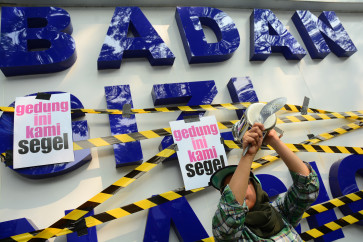
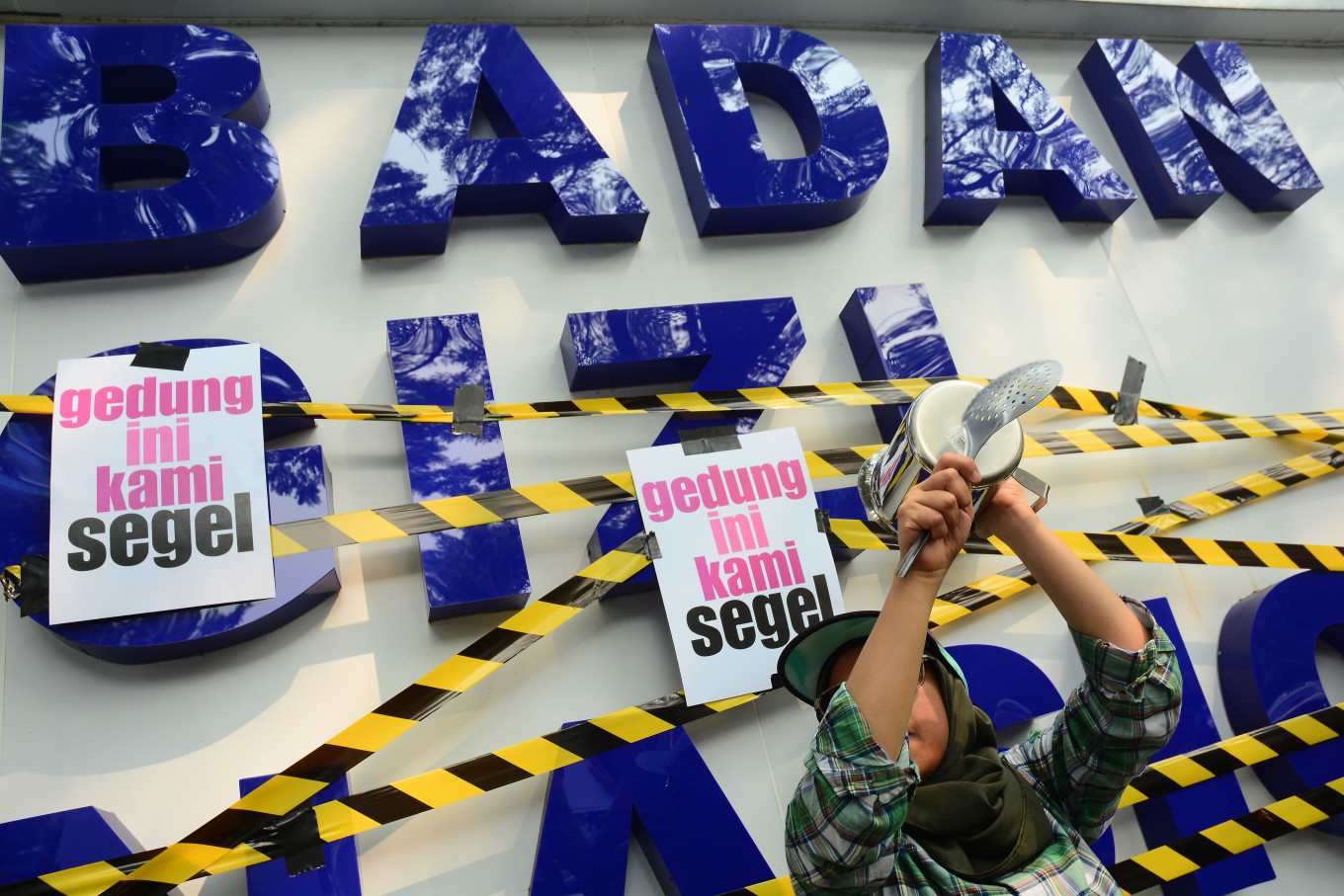 Shut it down: Demonstrators from the MBG Watch alliance carry kitchen utensils during a protest on June 10 outside the National Nutrition Agency (BGN) headquarters in Central Jakarta. The protesters called for improvements in the management of the free nutritious meal (MBG) program after former BGN head Dadan Hindayana and former deputy heads Sony Sonjaya and Lodewyk Pusung were named suspects
in an alleged corruption case by the Attorney General’s Office. (JP/Iqro Rinaldi)
Shut it down: Demonstrators from the MBG Watch alliance carry kitchen utensils during a protest on June 10 outside the National Nutrition Agency (BGN) headquarters in Central Jakarta. The protesters called for improvements in the management of the free nutritious meal (MBG) program after former BGN head Dadan Hindayana and former deputy heads Sony Sonjaya and Lodewyk Pusung were named suspects
in an alleged corruption case by the Attorney General’s Office. (JP/Iqro Rinaldi)
I
ndonesia celebrated 81 years of independence this week. For generations, freedom has meant sovereignty from foreign rule and the right to chart our own political and economic path.
Yet as the nation marks this milestone, another essential dimension of freedom demands our attention: freedom from institutions captured by private interests, public funds drained for personal gain and policy decisions driven by influence rather than integrity. A nation can be fiercely sovereign on the world stage, but can it truly call itself independent if corruption still dictates who gets access, who enjoys protection and who profits from power?
This question reflects the core concern raised by Tauvik M. Soeherman and Unang Mulkhan in their July 16 The Jakarta Post piece, Why Indonesia’s Revolving Door of Corruption Keeps Spinning. Their diagnosis is sharp: corruption in Indonesia is not merely an aggregation of rogue acts. It is woven into a political-economic ecosystem where individuals and vested interests circulate freely among public offices, regulatory bodies, state-owned enterprises and private corporations. When checks and balances erode, this revolving door quietly converts public authority into private windfalls.
Yet an equally vital question is often overlooked: What happens inside an organization once that opportunity arrives?
Conflicts of interest turn toxic when internal controls fail to detect, challenge and contain them—or when leadership bypasses established safeguards. The corruption debate must therefore pivot inward: from the broad political architecture of influence to the internal controls that either enable or prevent abuse.
The Association of Certified Fraud Examiners (ACFE) Indonesia Chapter paints a sobering picture in its Survei Fraud Indonesia 2025. Corruption emerged as the country's most pervasive form of occupational fraud, making up 47.6 percent of all cases. Tellingly, respondents cited inadequate internal controls as the single biggest factor enabling misconduct (39 percent), followed by a deficient tone at the top (23 percent) and the overriding of established controls (16 percent).

A vivid test case is now playing out inside President Prabowo Subianto’s flagship Free Nutritious Meals (MBG) initiative. Designed to tackle child malnutrition and build human capital, MBG represents an enormous stress test of the state’s logistical and administrative capacity. Yet recent corruption allegations surrounding the National Nutrition Agency (BGN) have exposed vulnerabilities that run far deeper than individual misconduct.