The Jakarta Post
Please Update your browser
Your browser is out of date, and may not be compatible with our website. A list of the most popular web browsers can be found below.
Just click on the icons to get to the download page.


Popular Reads
Top Results
No results found. Please check your search term and try again
Can't find what you're looking for?
View all search results
Popular Reads
Top Results
No results found. Please check your search term and try again
Can't find what you're looking for?
View all search resultsAnalysis: Shooting from the hip: Prabowo's unscripted presidency
Change text size
Gift Premium Articles
to Anyone
Share the best of The Jakarta Post with friends, family, or colleagues. As a subscriber, you can gift 3 to 5 articles each month that anyone can read—no subscription needed!
 Set as preferred source
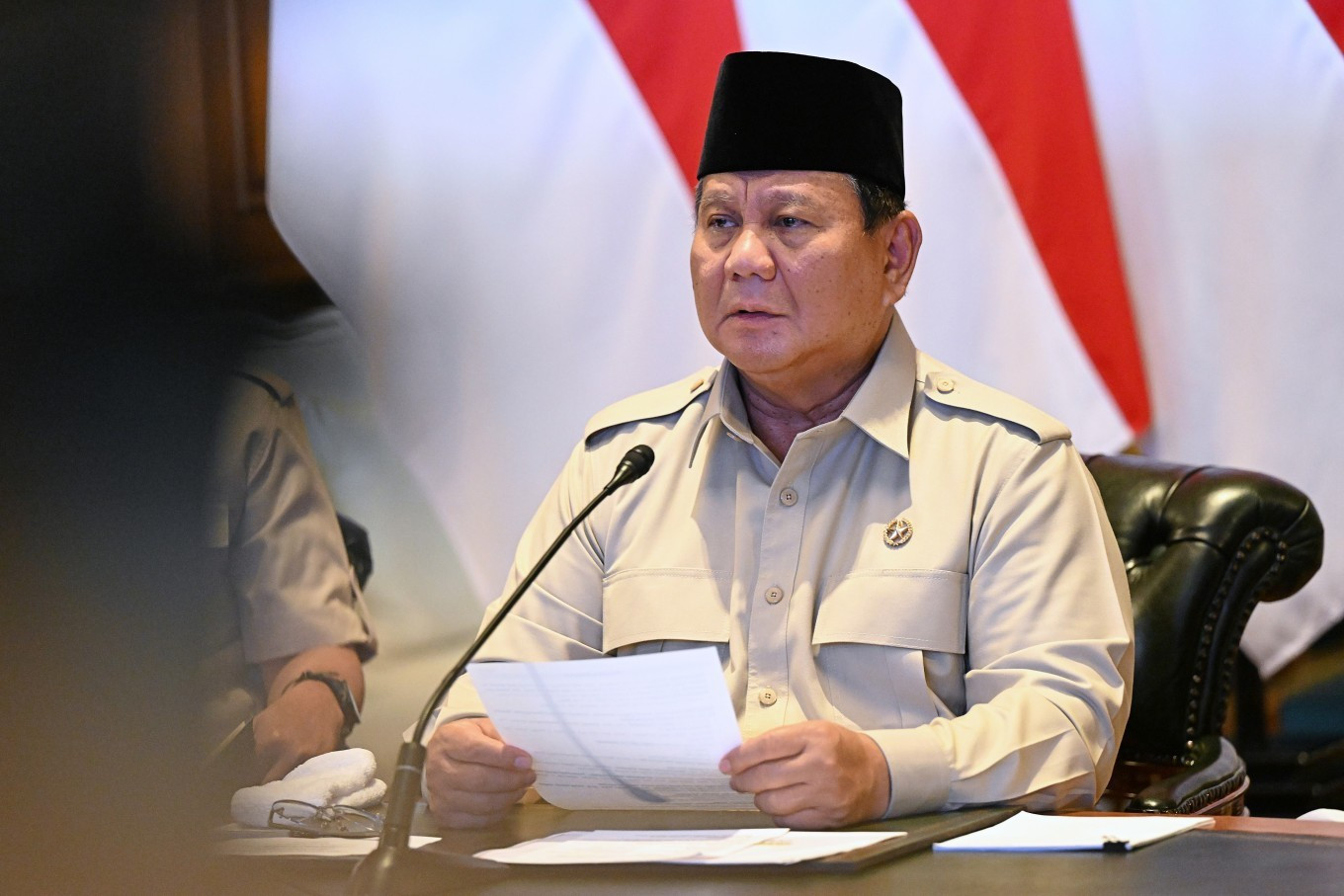 President Prabowo Subianto delivers a statement on March 9, 2026, at his private residence in Hambalang village, Bogor, West Java. (Courtesy of Presidential Secretariat Press Bureau/Muchlis Jr)
P
resident Prabowo Subianto's tenure has been marked by a recurring pattern of rhetorical detours. His supporters see his direct, unscripted style as refreshingly authentic; critics see a habit that regularly produces high-profile verbal slips with real domestic and international consequences.
He claimed at a business summit that Iran already possesses nuclear weapons, and has publicly branded critical journalists, researchers and civil society groups as modern-day "londo ireng" ("black Dutchmen," or foreign servants). The Iran remark forced Jakarta into diplomatic clarifications to reassure partners of Indonesia's nonaligned stance; the "londo ireng" comment drew sharp condemnation from press groups like the Alliance of Independent Journalists (AJI) and from governance watchdogs, who saw it as an attempt to delegitimize public oversight.
Both episodes point to the same underlying problem: an instinct for impulsive rhetoric that undercuts statecraft and keeps his communications team in permanent damage-control mode.
Prabowo's communication style follows directly from his background. As a former army general and longtime political figure, his default register is martial, populist and commanding. He is comfortable in front of cameras, speaks often - nearly daily - and clearly enjoys holding the floor. But his habit of setting aside prepared remarks in favor of spontaneous, freewheeling delivery carries real structural risk. Improvisation can project warmth or strength at a campaign rally; from a head of state, the same words carry legal, economic and diplomatic weight.
When Prabowo departs from his brief, he tends to replace precise policy argument with dark humor, inflated figures or combative asides. Spontaneity is not, by itself, a communication asset - not when it produces confusion, public backlash and erosion of institutional trust.
Prabowo often models his posture, volume and nationalist cadence on founding president Sukarno. The comparison does not hold up well.

Philosophical depth: Sukarno wove complex political ideas - Pancasila, Marhaenism, his broader anti-colonial framework - into poetic, multilingual addresses. Prabowo's rhetoric is more transactional: realpolitik, security threats and warnings about the leakage of national resources.