The Jakarta Post
Please Update your browser
Your browser is out of date, and may not be compatible with our website. A list of the most popular web browsers can be found below.
Just click on the icons to get to the download page.


Popular Reads
Top Results
No results found. Please check your search term and try again
Can't find what you're looking for?
View all search results
Popular Reads
Top Results
No results found. Please check your search term and try again
Can't find what you're looking for?
View all search resultsIndonesia is buying defense. It should also buy reach
The state is spending billions to guard its borders against foreign adversaries, while leaving its own citizens stranded when the earth beneath them gives way.
Change text size
Gift Premium Articles
to Anyone
Share the best of The Jakarta Post with friends, family, or colleagues. As a subscriber, you can gift 3 to 5 articles each month that anyone can read—no subscription needed!
 Set as preferred source
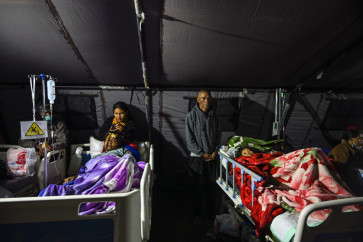
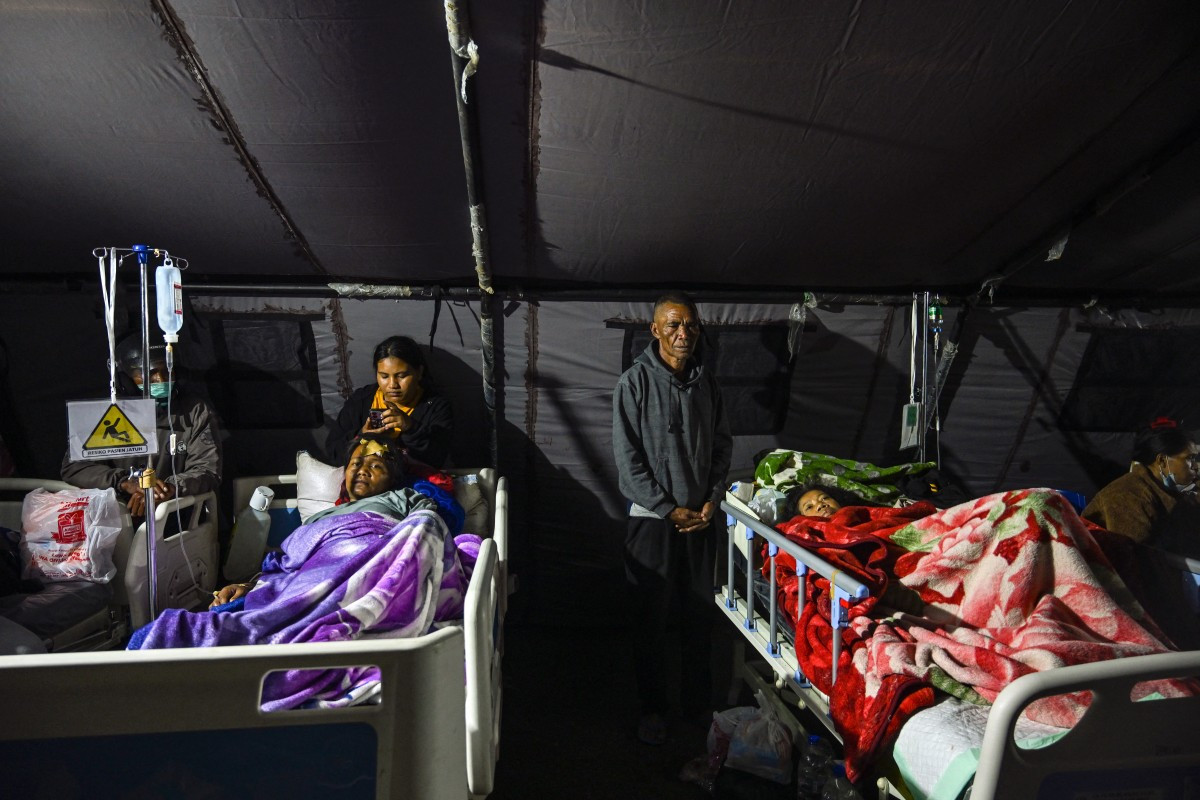 Earthquake victims are treated in a temporary medical tent due to fears of aftershocks, on August 15 in front of the Ruteng hospital in Ruteng, Manggarai, East Nusa Tenggara (NTT). Rescuers combed through debris for survivors after a powerful earthquake struck off Flores Island, killing at least 47 people, according to disaster officials. (AFP/Juni Kriswanto)
O
n Aug. 16, the deputy social affairs minister made an admission that belonged in a defense briefing: The ocean swell was too high, and the ships could not move. Forty-eight tons of rice and Rp 4.52 billion (US$ 237,823) in relief sat stranded in the East Nusa Tenggara capital of Kupang while thousands slept in the open across the strait. Twelve hours later, there was still no update. No one knew whether the sea had calmed, only that the rice had not arrived.
By day three, the magnitude-7.7 Flores Sea earthquake had claimed 68 lives and injured 213, according to the National Disaster Mitigation Agency (BNPB). Yet the deeper issue is not the casualty count. For nearly 40 hours, the state struggled simply to show up. That failure reveals a fundamental blind spot in how Indonesia spends its defense budget.
Every major logistics node on Flores sits precariously between an offshore fault and an active volcano. On Aug. 15, that geography collapsed into disaster. Three northern ports—Maumere, Reo and Marapokot—were wrecked in a single morning. Ende airport shut down, Ruteng closed and operations at Soa-Bajawa and Komodo degraded. Manggarai lost its sea and air gates all at once.
Relief flights were diverted to Labuan Bajo, leaving aid facing a 345-kilometer overland haul to Mbay. Under normal conditions, that drive takes nine to 12 hours. These were not normal conditions: 33 landslides had severed seven road segments. Opening Turelelo Soa Airport in Bajawa would have slashed that journey to 80 km, but by day two, its airworthiness assessment was still pending.
State agencies eventually mobilized. The National Search and Rescue Agency (Basarnas) pushed past landslides at Reo, BNPB sent maritime aid to Palue Island and the military deployed Hercules transports alongside naval vessels.
Yet in those critical first hours, the only people standing beside the victims were volunteers. The Indonesian Red Cross fielded 35 personnel and seven ambulances across Sikka and Ende, while Muhammadiyah’s MDMC and Lazismu mobilized in East Manggarai. Parish networks across five dioceses in the province, working alongside Caritas Indonesia, local residents and university students, set up the first data channels and relief posts.

Palue offered the starkest example. Completely cut off, the island received its first confirmed aid not from the government, but from Gekrafs NTT, a grassroots community group that arrived more than 20 hours before the state's naval convoy made landfall. Meanwhile, Dimpong village in North Rahong, an isolated pocket missing from official crisis maps, was identified only after desperate residents posted on social media. Citizens, not state assessments, mapped the perimeter of the disaster.