The Jakarta Post
Please Update your browser
Your browser is out of date, and may not be compatible with our website. A list of the most popular web browsers can be found below.
Just click on the icons to get to the download page.


Popular Reads
Top Results
No results found. Please check your search term and try again
Can't find what you're looking for?
View all search results
Popular Reads
Top Results
No results found. Please check your search term and try again
Can't find what you're looking for?
View all search resultsFighting two pandemics hand in hand in Asia and the Pacific
The Pacific Island states have the world’s highest child wasting rates, and East Asia has the world’s highest absolute costs for a healthy diet.
Change text size
Gift Premium Articles
to Anyone
Share the best of The Jakarta Post with friends, family, or colleagues. As a subscriber, you can gift 3 to 5 articles each month that anyone can read—no subscription needed!

G
lobal hunger has been on a regrettable rise in recent years, and despite Asia’s economic clout, the continent – home to more than half of the world’s undernourished – has not been spared. Now COVID-19 is leading to a slow-down of regional economic growth and further threatening food security.
Southern Asia is particularly vulnerable, with the number of chronically underfed people projected to rise by almost a third to 330 million by 2030. It is also the only subregion in the world, where more than half the children from the poorest fifth of society are stunted, a condition that prejudices their futures. But there are challenges all around: The Pacific Island states have the world’s highest child wasting rates, and East Asia has the world’s highest absolute costs for a healthy diet – one that goes beyond mere calorie counts to offer balanced nutrition. On top of that, Asia and the Pacific is the region where obesity and overweight, for children and adults, are growing faster than anywhere else.
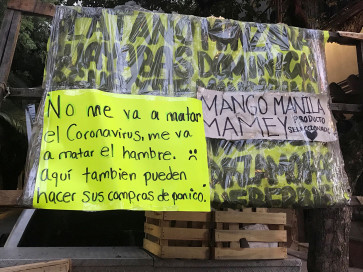
We are facing two pandemics. COVID-19, which beyond its health toll is crushing livelihoods, and hunger, a scourge the international community pledged to eradicate by the end of this decade – the Sustainable Development Goal 2.
Tackling them will require new ideas and more robust political will. Past progress was sustained by the benign trickle-down effects of strong economies. This is not the case anymore.
The facts have changed, and so must our minds.
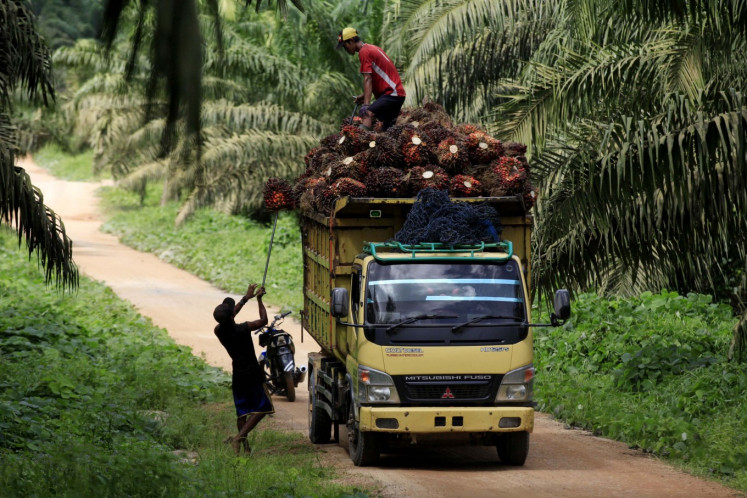
We need to find ways to increase resilience across our food systems by identifying new marketing channels (like e-commerce), increasing efficiency to reduce losses, improve the quality of products available and storage facilities, which are critical to flows of healthy foods and income to those who produce them. Inclusive access to finance to strengthen and expand rural supply chains is also crucial.
The Food and Agriculture Organization of the United Nations (FAO) has recently launched a new comprehensive COVID-19 Response and Recovery Program to provide an agile and coordinated global response aimed at ensuring access to nutritious food for everyone by mobilizing all forms of resources and partnerships at country, regional and global level. In line with the UN agenda to “build back better”, and in pursuit of the Sustainable Development Goals (SDGs), the new comprehensive COVID-19 Response and Recovery Program aims to mitigate the immediate impacts of the pandemic while strengthening the longer-term resilience of food systems and livelihoods.