TheJakartaPost
Please Update your browser
Your browser is out of date, and may not be compatible with our website. A list of the most popular web browsers can be found below.
Just click on the icons to get to the download page.


Popular Reads
Top Results
No results found. Please check your search term and try again
Can't find what you're looking for?
View all search results
Popular Reads
Top Results
No results found. Please check your search term and try again
Can't find what you're looking for?
View all search resultsIndonesia’s debt jumps as government ramps up virus spending
The country’s debt-to-gross domestic product (GDP) ratio rose to 34.53 percent as of August, a jump from 29.8 percent recorded in the same month last year, Deputy Finance Minister Suahasil Nazara said on Monday.
Change text size
Gift Premium Articles
to Anyone
Share the best of The Jakarta Post with friends, family, or colleagues. As a subscriber, you can gift 3 to 5 articles each month that anyone can read—no subscription needed!
 Set as preferred source
I
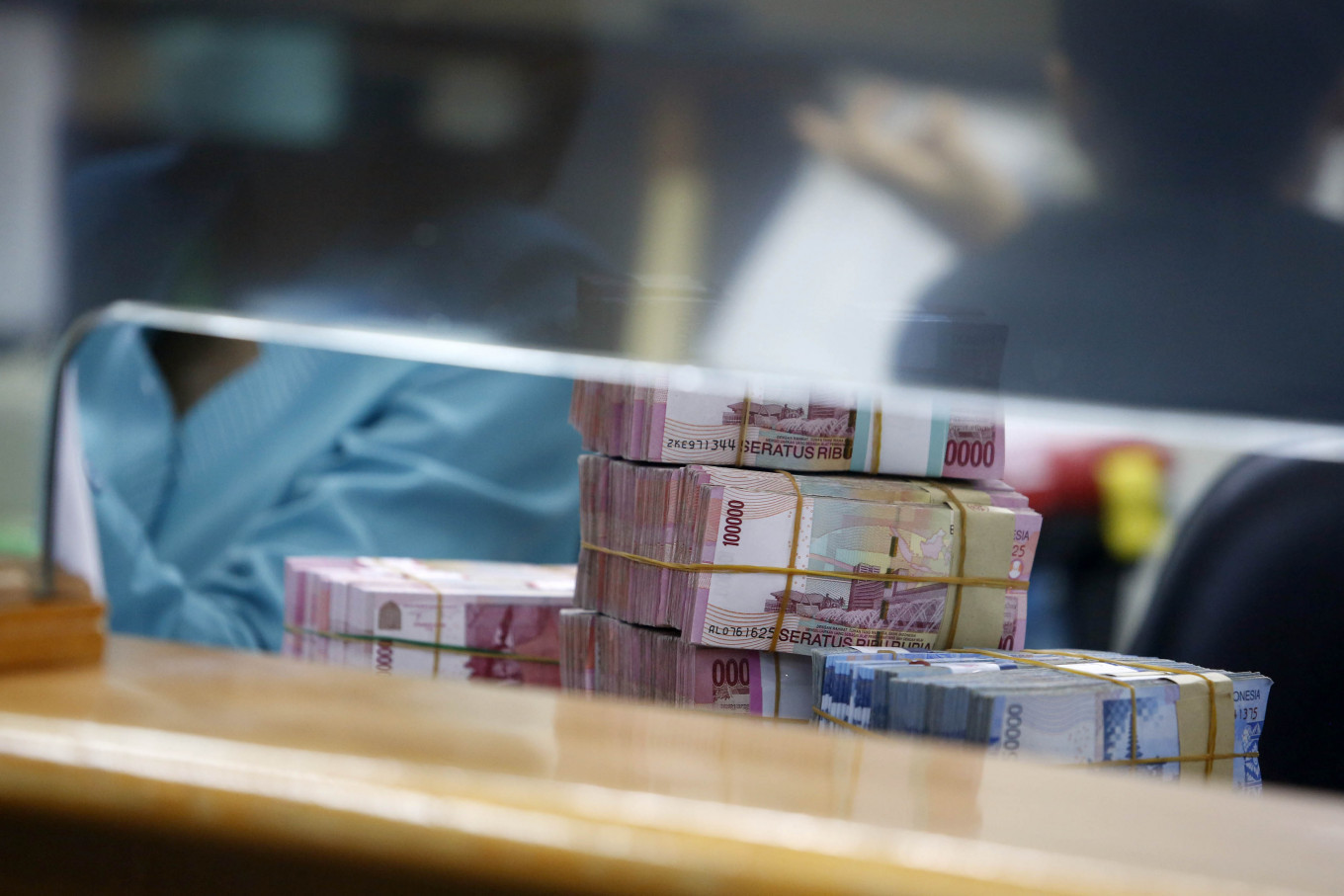
ndonesia’s debt has risen significantly this year as the government has ramped up spending to rescue an economy battered by the coronavirus pandemic amid falling state revenue collection.
The country’s debt-to-gross domestic product (GDP) ratio rose to 34.53 percent as of August, a jump from 29.8 percent recorded in the same month last year, Deputy Finance Minister Suahasil Nazara said on Monday, adding that the debt ratio might reach 37.6 percent by the end of this year.
The debt-to-GDP ratio rose because of a lower interest rate and weakening rupiah exchange rate, as well as the rising issuance of sovereign debt papers (SBNs) to cover financing needs to manage the outbreak as the budget deficit widened, Suahasil told lawmakers.
“The government expects the debt ratio to reach around 36 percent to 41 percent of GDP next year to fund the country’s fiscal deficit,” he said.
The government is planning to raise Rp 900.4 trillion (US$61.05 billion) from the government bonds issuance in the second half this year as it allocates Rp 695.2 trillion in stimulus to strengthen the healthcare system and rescue the virus-battered economy despite slow budget absorption. It has also agreed on $40 billion in debt monetization with Bank Indonesia (BI), which would see the central bank buy at least $28 billion worth of government bonds through a private placement this year.
The rising debt has become a concern for several economists as it could potentially lower investors' confidence in the Indonesian economy. Government officials have repeatedly stated that they will prudently manage debt and financing policies.
The government now expects to record a state budget deficit of 6.34 percent of GDP this year and 5.5 percent in 2021. It has pledged to reinstate the budget deficit cap of 3 percent by 2023 in a bid to continue implement a fiscal discipline scheme that has been lauded by investors for a long time.