The Jakarta Post
Please Update your browser
Your browser is out of date, and may not be compatible with our website. A list of the most popular web browsers can be found below.
Just click on the icons to get to the download page.


Popular Reads
Top Results
No results found. Please check your search term and try again
Can't find what you're looking for?
View all search results
Popular Reads
Top Results
No results found. Please check your search term and try again
Can't find what you're looking for?
View all search resultsRoad to changes from Bali to Glasgow
The frequent criticism of our efforts to lower deforestation and improve forest management is often that progress is not quick enough, or that our implementation is too slow.
Change text size
Gift Premium Articles
to Anyone
Share the best of The Jakarta Post with friends, family, or colleagues. As a subscriber, you can gift 3 to 5 articles each month that anyone can read—no subscription needed!
 Set as preferred source
A
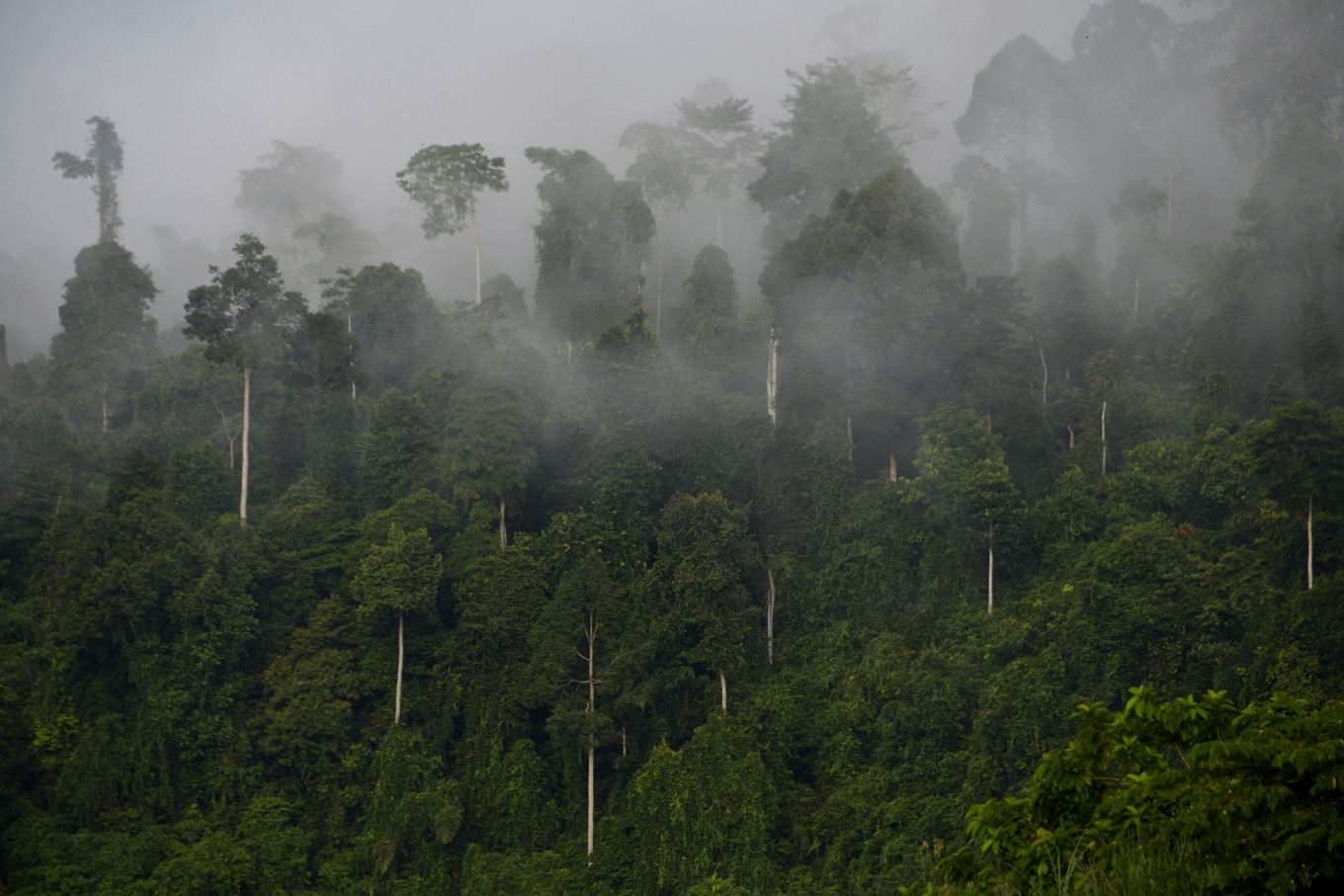
bout 13 years ago, Indonesia changed its path on deforestation; this year we are seeing the results. When in 2008 Indonesia hosted the 13th UNFCCC Conference of the Parties (COP) in Bali, the world’s eyes were glued to the country as it emerged from a destructive haze event the year before.
There were expectations that the Bali event would be the “Forest COP”. That year Indonesia delivered. We did so in the form of the Bali Road Map, which laid the foundations for agreements reached two years later in Copenhagen, and eight years later in Paris. But, most importantly, our conference cemented the UNFCCC’s consideration of forests, to include reducing emissions from deforestation and forest degradation – known as REDD – into the conventional wisdom on climate change.
Doubts lingered around Indonesia’s ability to deliver on the ambition of the Bali conference. Indonesia was plagued by rampant illegal logging. The deforestation rate was high and our forest policy lacked coherence despite reformasi. Importantly, much was still misunderstood about the underlying causes of deforestation in Indonesia. Many had assumed that it was only about selling – and smuggling – timber.
The truth was much more complex. Indonesia’s rural population was growing at a phenomenal rate and the country’s relatively new governance structures were simply unable to keep up with the rapidly changing demographics and high levels of rural poverty. As a consequence, rural areas were being deforested: to grow crops and support livelihoods.
Our country was facing a dilemma: how to reduce the deforestation rate and maintain economic growth. Indonesia exercised patience. It is sometimes said in Indonesia that patience is not being passive; it is an endeavour. Indonesians exercise patience to actively make our way through the trials of living in the archipelago, from earthquakes and volcanoes to droughts and pandemics.
This is not well understood by those living outside of Indonesia. In the West, patience is a virtue, but this implies waiting, not working toward something better. The frequent criticism of our efforts to lower deforestation and improve forest management is often that progress is not quick enough, or that our implementation is too slow.
But the progress has been made and the implementation has taken place. Indonesia can and should be proud of the following core achievements since 2007. First, Indonesia famously was the first country to sign on to a REDD payment agreement with Norway, which promised financial incentives to reduce deforestation.