The Jakarta Post
Please Update your browser
Your browser is out of date, and may not be compatible with our website. A list of the most popular web browsers can be found below.
Just click on the icons to get to the download page.


Popular Reads
Top Results
No results found. Please check your search term and try again
Can't find what you're looking for?
View all search results
Popular Reads
Top Results
No results found. Please check your search term and try again
Can't find what you're looking for?
View all search resultsFor now Indonesia-EU ties ʻsafeʼ despite ongoing trade disputes
When it comes to the trade disputes with the EU, President Jokowi is defiant.
Change text size
Gift Premium Articles
to Anyone
Share the best of The Jakarta Post with friends, family, or colleagues. As a subscriber, you can gift 3 to 5 articles each month that anyone can read—no subscription needed!
 Set as preferred source
P
resident Joko “Jokowi” Widodo’s “blunt” adamance to win over the trade dispute with the European Union over palm oil and nickel could be useful for advancing Indonesia’s agenda, analysts suggest, though they also warn that the rift must be managed well to avoid injuring both their future economies and the diplomatic relationship.
As each other’s strategic economic partner, any failure to mitigate existing disputes will only drag out the glacial progress on the Indonesia-EU Comprehensive Economic Partnership Agreement (I-EU CEPA), with some suggesting that more productive dialogue is needed to keep ties intact.
Southeast Asia’s largest economy has led an uneasy yet robust partnership with the Euro bloc that has seen their interests conflict, with Brussels eager to impose its brand sustainability-forward policymaking on Jakarta at the expense of Indonesia’s urgent need to industrialize.
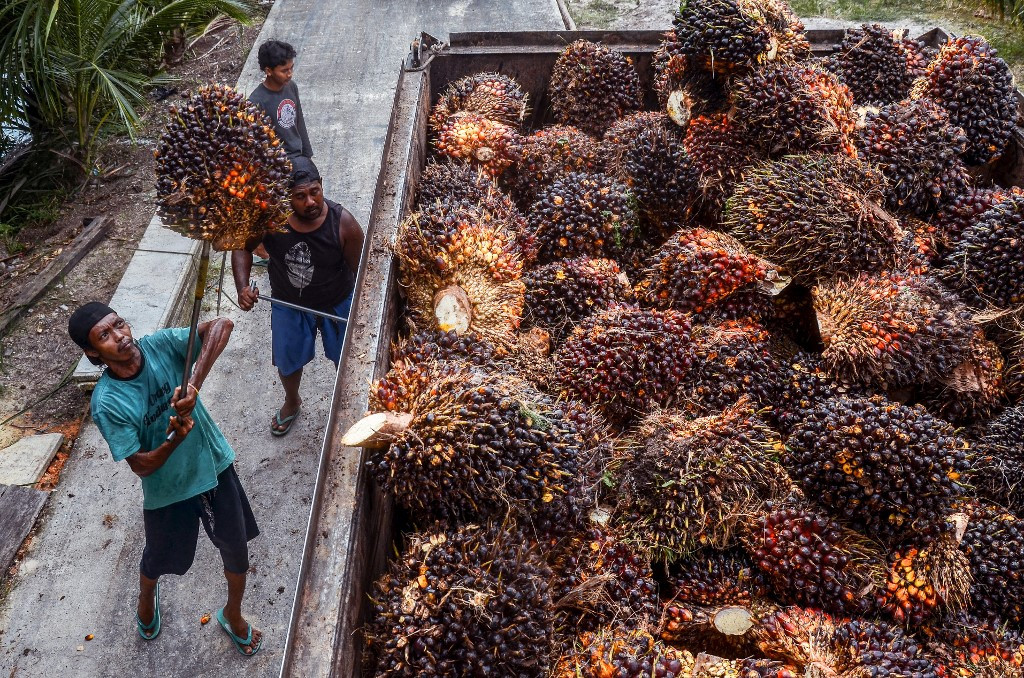
The past few months have seen the two sides embroiled in a public rift following the World Trade Organization’s ruling in November against Indonesia’s ban on raw nickel ore exports, a decision the EU has challenged. The dispute further complicated an already complex relationship rooted in disagreements over Indonesian palm oil production in relation to the European Green Deal, which restricts imports failing to meet EU sustainability requirements.
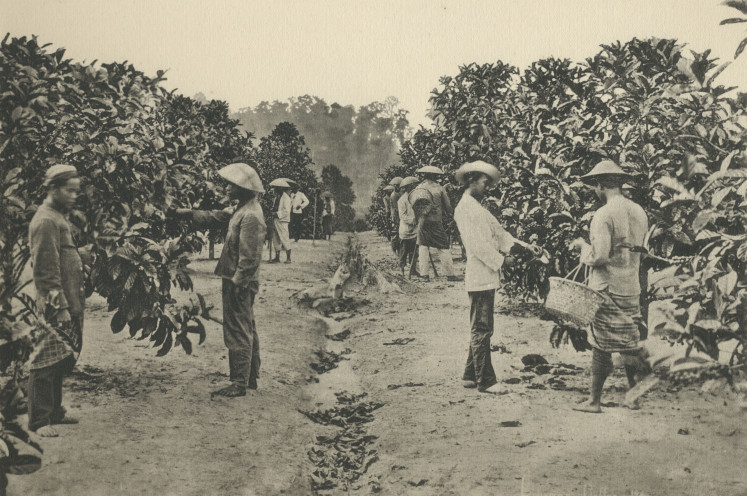
When it came to the trade disputes, Jokowi was defiant. The President had drawn parallels between the WTO ruling and colonial-era forced labor, and delivered sharp remarks at the EU-ASEAN Summit in December.
Brussels has shied away from any sharp retorts, preferring instead to stick to earlier talking points. The EU Mission to Indonesia plans to hold a press event soon.
But such bluntness may be necessary and would not necessarily wound diplomatic ties if it meant that both sides would open up going forward, said Riza Noer Arfani, an international relations expert from Gadjah Mada University.