TheJakartaPost
Please Update your browser
Your browser is out of date, and may not be compatible with our website. A list of the most popular web browsers can be found below.
Just click on the icons to get to the download page.


Popular Reads
No popular reads data found
Top Results
No results found. Please check your search term and try again
Can't find what you're looking for?
View all search results
Popular Reads
No popular reads data found
Top Results
No results found. Please check your search term and try again
Can't find what you're looking for?
View all search resultsGreater-Jakarta

Jakarta 1 week ago
PREMIUM
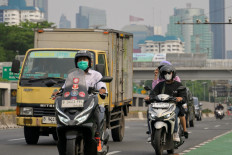
Policy disparities hamper Greater Jakarta’s fight for clean air
Greater Jakarta, recently dubbed the world’s most populous urban area by the United Nations, has long been afflicted by smog coming from, among other sources, internal combustion engine vehicles and coal-powered power plants and industrial areas.
Jakarta 2 months ago
PREMIUM
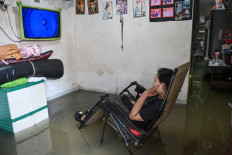
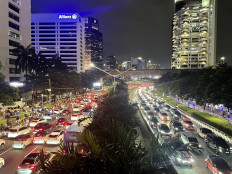
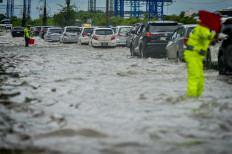
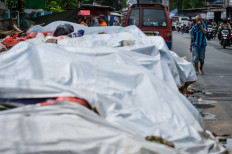
Waste crisis haunts Greater Jakarta
Greater Jakarta continues to grapple with a waste crisis, with Jakarta and neighboring Depok becoming the latest to report landfill leaks and collapses or overflowing of trash from disposal sites, prompting complaints from people living near the facilities over unmanaged waste.
Jakarta 2 months ago
PREMIUM
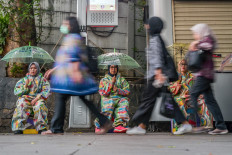
Online abuse tops violence against women in Greater Jakarta
The Jakarta chapter of the Legal Aid Foundation of the Indonesian Women’s Association for Justice (LBH APIK Jakarta) received 1,212 reports of violence cases throughout 2025, a 60-percent increase compared to the previous year.
Jakarta 6 months ago
PREMIUM
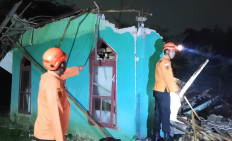
Bekasi quake shakes Jakarta into preparedness debate
Although the Bekasi quake caused no casualties or major structural damage, both the central government and local administrations across Greater Jakarta must remain alert to the risks of land-based quakes given West Java’s many active faults.
Jakarta 9 months ago
PREMIUM
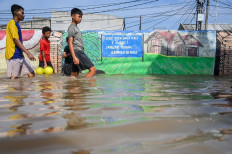
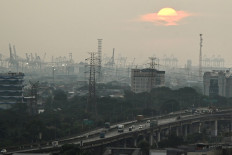
Air quality worsens in Greater Jakarta as govt yet to curb pollution
Worsening air quality in Greater Jakarta has brought to light the government’s unfulfilled responsibility to ensure citizens’ right to clean air and to curb emissions from coal-fired power plants and motor vehicles.