The Jakarta Post
Please Update your browser
Your browser is out of date, and may not be compatible with our website. A list of the most popular web browsers can be found below.
Just click on the icons to get to the download page.


Popular Reads
Top Results
No results found. Please check your search term and try again
Can't find what you're looking for?
View all search results
Popular Reads
Top Results
No results found. Please check your search term and try again
Can't find what you're looking for?
View all search resultsgbhn
Politics 3 weeks ago
PREMIUM
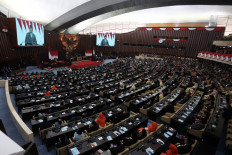
Constitutional experts oppose revival of New Order-era policy guidelines
Constitutional experts have pushed back against efforts to revive long-defunct state policy guidelines, warning that the proposal risks restoring the total political authority that the People’s Consultative Assembly (MPR) had during the New Order era.
Politics 4 weeks ago
PREMIUM
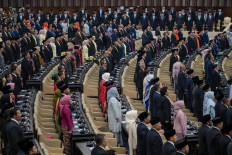
Proposal on New Order-style policy guidelines needs more research, says MPR
The People’s Consultative Assembly (MPR) has said that more research is needed before pushing for the revival of the now-defunct state policy guidelines, a controversial proposal critics fear can snowball into wider constitutional changes.
Politics 1 month ago
PREMIUM
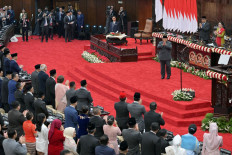
Prabowo’s push for binding state policy guidelines causes alarm
President Prabowo Subianto has called for the revival of the now-defunct state policy guidelines to be made binding on all institutions, a move experts warn is incompatible with the country’s post-Reform constitutional system.
Politics 1 year ago
PREMIUM
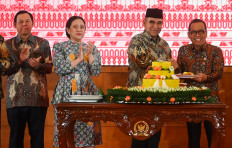
Constitutional amendment not a cure-all, MPR speaker says
People’s Consultative Assembly (MPR) Speaker Ahmad Muzani of the Gerindra Party also teased the possibility for the assembly to push for changes in the country’s presidential system after an evaluation of whether it functions effectively or instead creates ‘vacuum of concentrated authority’.
Politics 1 year ago
PREMIUM
MPR completes first draft of New Order-style state guidelines
During its annual plenary meeting on Friday, the People’s Consultative Assembly announced the first draft of the PPHN, a controversial move that critics view as the Assembly's move to restore the sweeping powers it held during the New Order.
Politics 1 year ago
PREMIUM
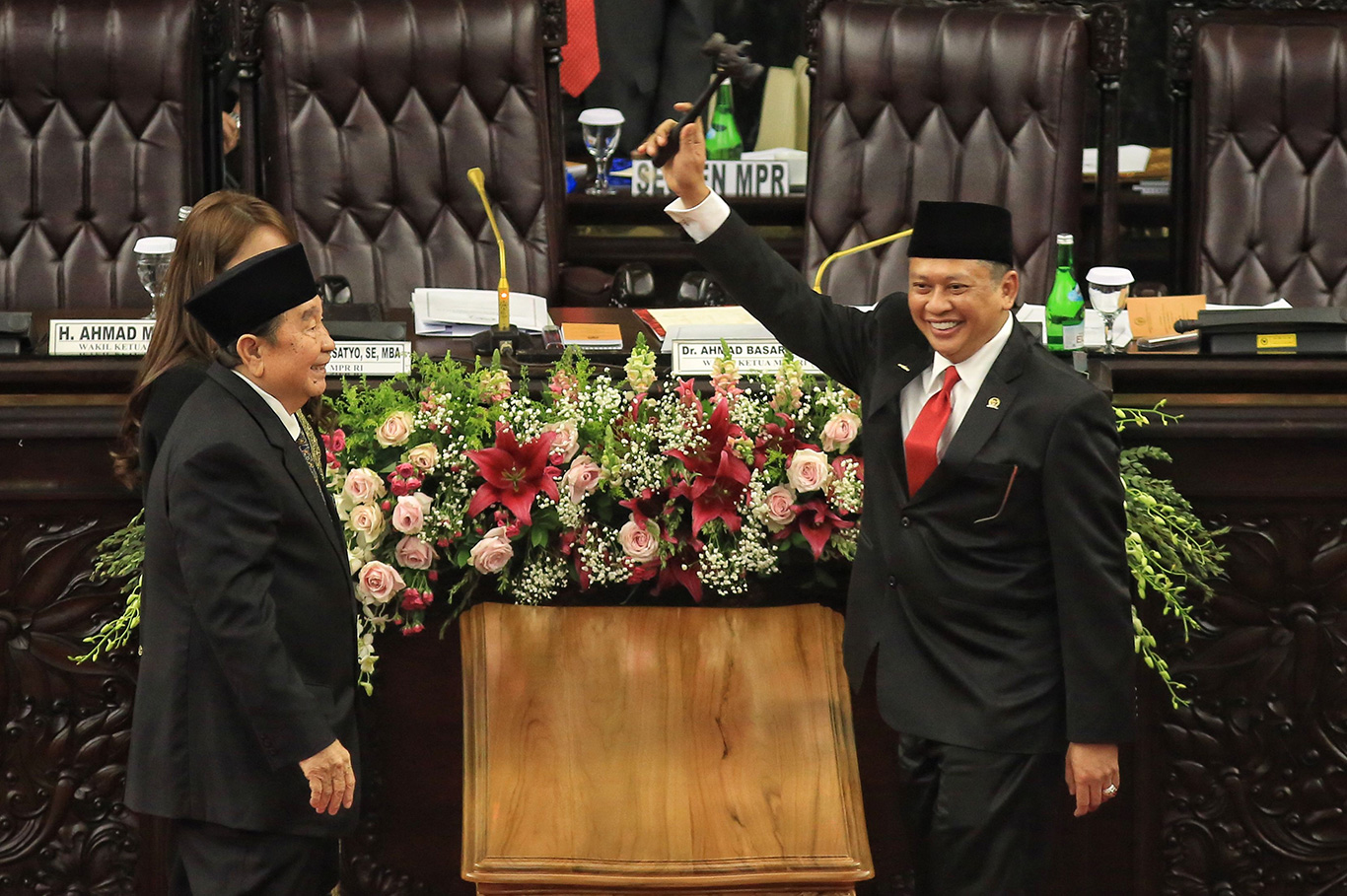
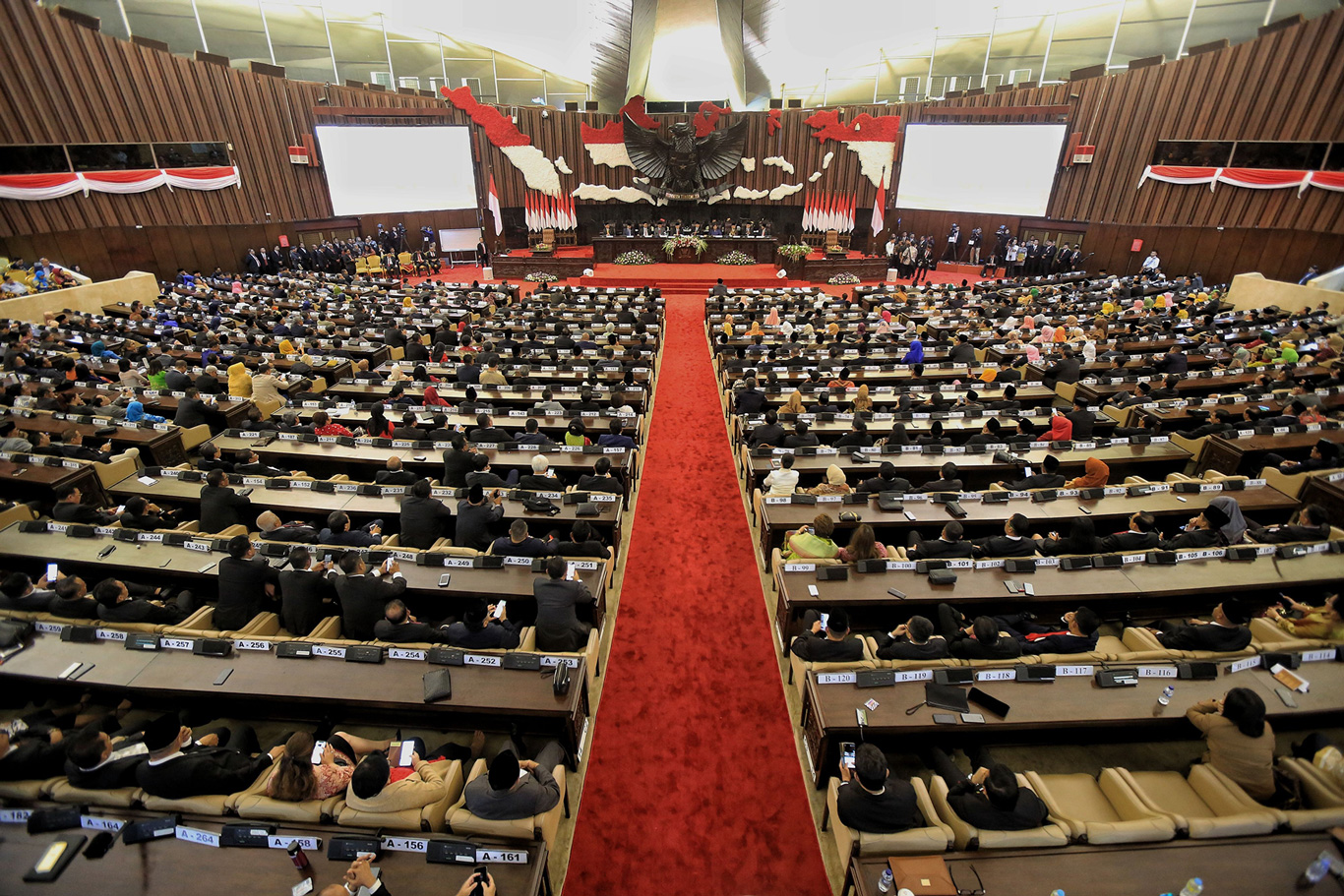
Renewed plan to reinstate New Order-style state guidelines draws flak
The return of state policy guidelines, a practice during the authoritarian New Order era, could trigger a constitutional amendment that could snowball into wider changes, including reinstating the status of People’s Consultative Assembly (MPR) as the nation’s highest authority and its long-removed power to appoint the president.

Politics 6 years ago
PREMIUM
Amendment disagreement: Jokowi says no, MPR divided
Assembly leaders have said the constitutional amendment will simply reinstate the now-defunct State Policy Guidelines (GBHN), a legacy of former president Soeharto’s New Order regime. However, certain parties are pushing for a wider-ranging amendment.
National 6 years ago
PREMIUM
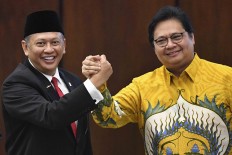
Golkar chairmanship race may determine fate of Constitution amendment
The original version of the Constitution mandated the MPR to elect the president and vice president and to draft the State Policy Guidelines (GBHN), which if passed through the amendment plan, will effectively eliminate direct presidential and regional elections.
Editor's Picks
Popular
- Much ado about asset forfeiture
- Mass poisonings cast doubt on free meals reforms
- New data rules could unlock cross-border data flows
- Children are no longer the priority, were they ever?
- Three more volcanoes erupt following Sinabung, Anak Krakatau
- Indonesia, Hong Kong to host new 14-team FIFA ASEAN Cup
- Rescuers searching for 140 people from passenger ship in Java Sea
- Haze drives surge in respiratory illnesses in Indonesia
- Trump says he would be OK with China building cars in US
- Assessing the merit of the strategic commodities bill


