The Jakarta Post
Please Update your browser
Your browser is out of date, and may not be compatible with our website. A list of the most popular web browsers can be found below.
Just click on the icons to get to the download page.


Popular Reads
Top Results
No results found. Please check your search term and try again
Can't find what you're looking for?
View all search results
Popular Reads
Top Results
No results found. Please check your search term and try again
Can't find what you're looking for?
View all search resultsgreen-space

Jakarta 2 months ago
PREMIUM
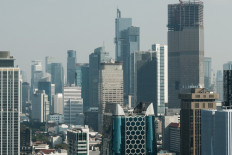
Jakartans look for space to breathe in concrete city
Public demand for more parks comes as Jakarta’s green open spaces remain insufficient, covering just 5.59 percent of the city’s total area as of April, well below the 20 percent target set under the 2007 Spatial Planning Law.
Jakarta 8 months ago
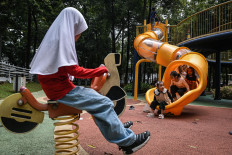
Yearender: Jakarta’s public space grow, but unevenly delivered
From 24-hour city parks to libraries extending their evening hours, Jakarta closed the year with a series of public space initiatives. Yet these expansions remain concentrated around economic hubs, reinforcing the spatial inequality that has long shaped the capital.


Jakarta 1 year ago
PREMIUM
ASEAN Park plan faces pushback over Barito Market relocation
The Jakarta administration’s plan to relocate South Jakarta’s Barito Market to make way for the proposed ASEAN Park has sparked strong opposition from a number of traders, who fear the move will cost them their livelihoods.

Jakarta 2 years ago
PREMIUM
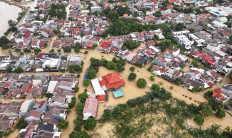
Bangkok reaches urban greening milestone as Jakarta shambles along
While Jakarta continues to struggle in addressing perennial problems related to the limited green spaces in the city, its Thai counterpart has reached a milestone in adding more natural areas to Bangkok by bringing to life thousands of mini parks, a strategy that experts say can be adopted in the Indonesian capital.
Editor's Picks
Popular
- Much ado about asset forfeiture
- Mass poisonings cast doubt on free meals reforms
- New data rules could unlock cross-border data flows
- Children are no longer the priority, were they ever?
- Three more volcanoes erupt following Sinabung, Anak Krakatau
- Indonesia, Hong Kong to host new 14-team FIFA ASEAN Cup
- Haze drives surge in respiratory illnesses in Indonesia
- Trump says he would be OK with China building cars in US
- Assessing the merit of the strategic commodities bill
- Modi, Putin seek stronger ties as Russia calls for BRICS to counter West


