The Jakarta Post
Please Update your browser
Your browser is out of date, and may not be compatible with our website. A list of the most popular web browsers can be found below.
Just click on the icons to get to the download page.


Popular Reads
Top Results
No results found. Please check your search term and try again
Can't find what you're looking for?
View all search results
Popular Reads
Top Results
No results found. Please check your search term and try again
Can't find what you're looking for?
View all search resultsilo


Academia 4 years ago
PREMIUM
Time to take care of the unpaid work care
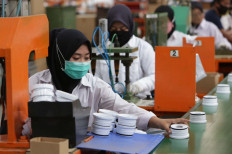
Research has shown that the gender gap in unpaid care work has adverse effects on economic growth and development because of its link to low female labor force participation (FLFP), the gender pay gap and domination of women workers in the informal sector.






Opinion 6 years ago
Building comprehensive protection against unemployment
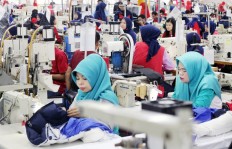
In Indonesia alone, the National Development Planning Agency (Bappenas) has just announced an increase of the unemployed by 3.72 million. This figure, of course, excludes the workers whose wages are cut due to reduced working hours.
Business 6 years ago
PREMIUM
75 years of women’s economic participation, pushing beyond stagnation
The female labor force participation (FLFP) rate in the country for those aged 15 and above grew from 44.48 percent in 1990 to 53.08 percent in 2019, according to data from the International Labour Organization (ILO). The FLFP rate is still 29.35 percentage points below that of their male counterparts, which stood at 82.43 percent in 2019.
Editor's Picks
Popular
- Popular discontent is justified. Authoritarianism is not the answer
- Sugarcane farmers query House over sugar imports
- Recentralization concerns in fiscal, education heighten
- Govt under pressure as 3 million home drive hits cracks
- Safeguarding Indonesia's AI future
- The agrarian reform law and investment prospects of palm oil
- Peatland agency revival tests commitment to curb unchecked conversion
- Tokyo suffers longest streak of rainy days on record
- External pressure, fiscal risks weigh on rupiah
- Stocks plunge as IDX lowers minimum price cap


