The Jakarta Post
Please Update your browser
Your browser is out of date, and may not be compatible with our website. A list of the most popular web browsers can be found below.
Just click on the icons to get to the download page.


Popular Reads
Top Results
No results found. Please check your search term and try again
Can't find what you're looking for?
View all search results
Popular Reads
Top Results
No results found. Please check your search term and try again
Can't find what you're looking for?
View all search resultsmalaria
Society 4 months ago
PREMIUM
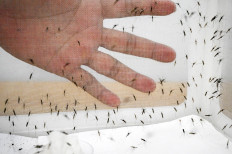
Malaria hits record high in Indonesia as elimination challenges persist
Geographical conditions of malaria hotspots, climate-induced extreme weather, people migrations and limited funding are among obstacles to health authorities’ effort to achieve national target of disease elimination by 2030.
Archipelago 6 months ago
PREMIUM
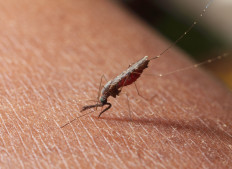
Malaria outbreak in Rokan Hilir persists two years on
In 2024, cases rose to 2,449, prompting the local administration to declare a malaria emergency in October to speed up mitigation efforts. Since then, authorities have extended the emergency status 20 times as cases continue to climb.

Academia 9 months ago
PREMIUM
Funding gap looms, will progress against AIDS, TB, malaria suffer?
However, with global funding pledges falling short of the target required to sustain health programming, how can countries, including Indonesia, win their goal to end AIDS, tuberculosis and malaria as global health threats?

Archipelago 1 year ago
PREMIUM
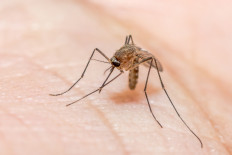
Papua primary target in battle to eradicate malaria nationwide
The six provinces in the country’s easternmost region account for 90 percent of the national caseload, whereas nearly 80 percent of all regencies and cities across the country have been declared malaria-free.

Art & Culture 1 year ago
French-Brazilian photographer Sebastiao Salgado dies aged 81
The photographer leaves a unique legacy of images from his hundreds of journeys through the Amazon rainforest and across the planet, from Rwanda to Indonesia, capturing with his lens human tragedies such as famine, wars and mass exoduses.
Editor's Picks
Popular
- Much ado about asset forfeiture
- Mass poisonings cast doubt on free meals reforms
- Indonesia, China eye cooperation to boost 3 million homes program
- Prabowo sacks Purbaya, turns to familiar hand at Finance Ministry
- Children are no longer the priority, were they ever?
- The benefit of the doubt has expired
- Purbaya ousted after clash with Prabowo's ex-army colleague, sources say
- Australian woman dies after falling from cliff at Bali’s Kelingking Beach
- Purbaya says he was 'upset', but half expected removal
- Wildfire breaks out again at Mount Bromo


