The Jakarta Post
Please Update your browser
Your browser is out of date, and may not be compatible with our website. A list of the most popular web browsers can be found below.
Just click on the icons to get to the download page.


Popular Reads
Top Results
No results found. Please check your search term and try again
Can't find what you're looking for?
View all search results
Popular Reads
Top Results
No results found. Please check your search term and try again
Can't find what you're looking for?
View all search resultspolicy
Jakarta 1 day ago
PREMIUM
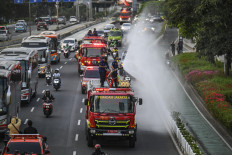
Jakarta quick fixes become rare bright spot amid disasters, government shortcomings
As criticism mounts over the central government’s responses to disasters across Indonesia, Jakarta’s perceived responsiveness to everyday concerns has emerged as an unlikely bright spot in the public eye.
Politics 1 week ago
PREMIUM
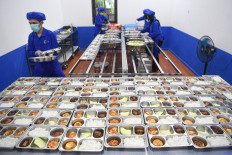
More than 1,700 students and teachers sickened this week due to free meals
In separate incidents in three other locations this week, 950 individuals had fallen ill as a result of food poisoning linked to the programme, a member of a House commission overseeing health said.

Opinion 1 month ago
PREMIUM
Analysis: Indonesia's DHE exemptions create a two-tier export regime
Indonesia has introduced a new exception to its natural resources export proceeds (DHE-SDA) policy, allowing exporters from the United States, China, Australia and Canada greater flexibility in managing their export proceeds. The announcement marks the first significant relaxation of a policy that, only months earlier, was expanded to require most natural resource exporters to retain 100 percent of their export earnings in Indonesia's state-owned banks (Himbara) for 12 months.

Opinion 1 month ago
PREMIUM
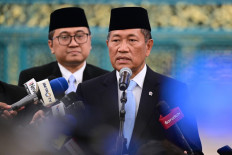
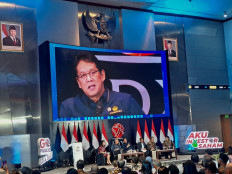
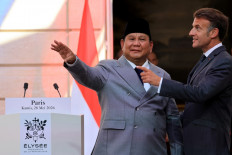
Analysis: URI: Good intentions do not justify impulsive policymaking
President Prabowo Subianto has once again taken what many observers describe as an impulsive policy step, raising eyebrows among academics and policy experts. This time, the controversy surrounds the establishment of the University of the Republic of Indonesia (URI), a project announced without any publicly available policy study or broad institutional consultation.
Opinion 2 months ago
PREMIUM
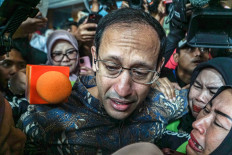
Analysis: SAL reversal: Policy flexibility or policy uncertainty?
Finance Minister Purbaya Yudhi Sadewa's decision to reverse course on the placement of the budget surplus balance (SAL) warrants closer scrutiny. While the move may reflect policymakers' willingness to respond to changing market conditions, it also raises a more fundamental question: Does frequent policy recalibration strengthen confidence by demonstrating flexibility, or does it undermine the certainty that the financial system depends on?

Editor's Picks
Popular
- Much ado about asset forfeiture
- Mass poisonings cast doubt on free meals reforms
- Indonesia, China eye cooperation to boost 3 million homes program
- Prabowo sacks Purbaya, turns to familiar hand at Finance Ministry
- Children are no longer the priority, were they ever?
- The benefit of the doubt has expired
- Australian woman dies after falling from cliff at Bali’s Kelingking Beach
- Wildfire breaks out again at Mount Bromo
- Purbaya says he was 'upset', but half expected removal
- Purbaya ousted after clash with Prabowo's ex-army colleague, sources say


