The Jakarta Post
Please Update your browser
Your browser is out of date, and may not be compatible with our website. A list of the most popular web browsers can be found below.
Just click on the icons to get to the download page.


Popular Reads
Top Results
No results found. Please check your search term and try again
Can't find what you're looking for?
View all search results
Popular Reads
Top Results
No results found. Please check your search term and try again
Can't find what you're looking for?
View all search resultssustainable

Front Row 2 years ago
Optimistic about sustainable peat restoration, BRGM involves all stakeholders
The Peat and Mangrove Restoration Agency (BRGM) conducted a field visit as part of a series of technical coordination meetings on peat restoration in Pandan Sejahtera village, East Tanjung Jabung regency, Jambi, to ensure the synergy and collaboration of various parties that are key to the success of optimal and sustainable peat restoration.

Front Row 2 years ago
Global experts convene for sustainable building solutions at SBCC 2024
The impact of man-made structures on the environment has never been more apparent. As urban landscapes continue to expand, so does their environmental footprint. The United Nations Environment Program (UNEP) highlights that the built environment is a major contributor to energy consumption, greenhouse gas emissions and waste production, with estimates suggesting that 40 percent of global energy consumption and 30 percent of greenhouse gas emissions stem from this sector alone.

Regulations 2 years ago
Singapore to require departing flights to use sustainable fuel from 2026
Under the plan, announced by Chee Hong Tat at the Changi Aviation Summit on the eve of the Singapore Airshow, the country aims for a 1 percent SAF target from 2026 and plans to raise it to 3-5 percent by 2030, subject to global developments and the wider availability and adoption of SAF.
Companies 2 years ago
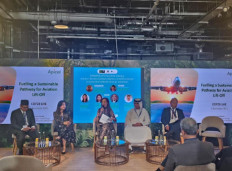
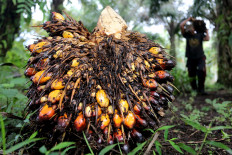
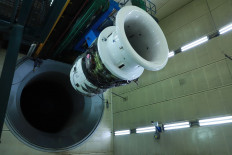
Sustainable aviation fuel offers hope, but decarbonizing air travel needs everyone onboard
The advent of sustainable aviation fuel (SAF), a liquid fuel used in commercial aviation that significantly reduces carbon dioxide (CO2) emissions, is poised to revolutionize the aviation sector and pave the way for a more environmentally friendly future, according to industry players.

Lifestyle 3 years ago
Kerinci Tissue Culture: Meeting sustainability demands with innovative technology
In today's digital age, wood products play an indispensable role in our daily lives. They are used in various essential items, ranging from food packaging, tissues, and shopping bags to books, contracts, and tickets.

Front Row 3 years ago
Value creation key to Sampoerna’s 110 years of presence, building sustainable future
Evidenced by its significant and tangible efforts to create value for the Indonesian economy, 110-year-old publicly listed PT HM Sampoerna Tbk. (Sampoerna) continually focuses on value creation in the national tobacco industry and the broader ecosystem to gear up for a sustainable future.

Economy 3 years ago
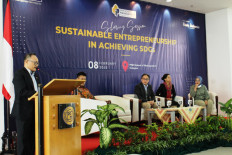
Maneuvering toward sustainable energy transition in Indonesia
Renewable energy is a pressing issue that is challenging the world today. The pandemic has taught the world a valuable lesson: to be more serious about responding to climate change. It is undeniable that humans need energy to carry out their daily activities.
Editor's Picks
Popular
- Popular discontent is justified. Authoritarianism is not the answer
- Recentralization concerns in fiscal, education heighten
- Govt under pressure as 3 million home drive hits cracks
- Safeguarding Indonesia's AI future
- Batam residents protest data centers amid water crisis
- Canals full, roads submerged as Bangkok declares flood disaster
- Japan schoolboy, 11, wins gold while empty seats blight Asian Games
- Jakarta international airport extends closure after Anak Krakatau eruption
- Indonesians still have low awareness against pneumonia: Survey
- Philippines pardons, frees Mary Jane Veloso


