The Jakarta Post
Please Update your browser
Your browser is out of date, and may not be compatible with our website. A list of the most popular web browsers can be found below.
Just click on the icons to get to the download page.


Popular Reads
Top Results
No results found. Please check your search term and try again
Can't find what you're looking for?
View all search results
Popular Reads
Top Results
No results found. Please check your search term and try again
Can't find what you're looking for?
View all search resultsFinancial infrastructure will shape the next generation of SEZs
While physical hardware once built successful economic zones, the future of global trade belongs to regions that power their growth with invisible financial infrastructure.
Change text size
Gift Premium Articles
to Anyone
Share the best of The Jakarta Post with friends, family, or colleagues. As a subscriber, you can gift 3 to 5 articles each month that anyone can read—no subscription needed!
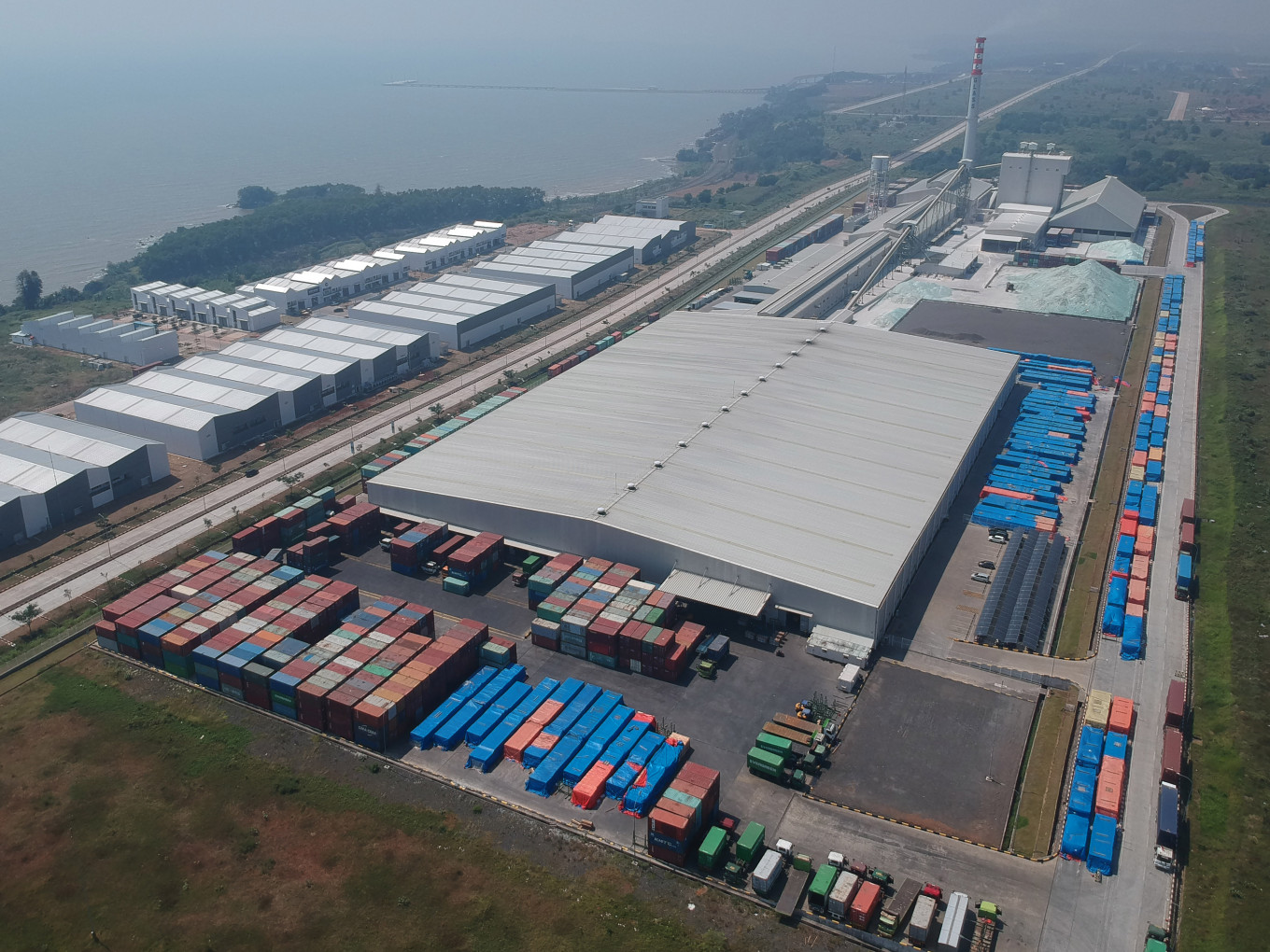 Containers are stacked on July 24, 2025, at a warehouse in the Batang Industropolis Special Economic Zone (KEK) in Batang regency, Central Java. (Antara Foto/Harviyan Perdana Putra)
F
or decades, the success of special economic zones (SEZs) has been measured by a familiar formula: aggressive tax incentives, state-of-the-art industrial estates, proximity to deepwater ports and the sheer volume of foreign direct investment (FDI) attracted. This model succeeded in propelling the rise of cities like Shenzhen in China and Jurong in Singapore as well as export-oriented hubs across Asia.
However, the global economy has undergone a fundamental shift. Today, nations no longer compete on manufacturing costs alone; they compete on resilience, trust, digital connectivity and ecosystem integration.
As supply chains are redesigned and geopolitical realignments reshape global trade, investors are evaluating locations not merely by their physical hardware but by the sophistication of their institutional and financial software.
In this new era, the most critical infrastructure is often the kind that cannot be seen. Financial infrastructure has become the invisible architecture that dictates whether an SEZ merely attracts capital or sustains long-term competitiveness over decades.
Physical infrastructure enables economic activity; financial infrastructure enables economic velocity. Roads move goods, ports move containers, and airports move people.
But financial institutions move capital, confidence and enterprise. Every export transaction relies on working capital; every supplier depends on liquidity; every multinational enterprise requires seamless payment systems, trade finance, foreign exchange management and digital platforms.

Without this financial backbone, even the most modern industrial park suffers from operational friction: transactions stall, capital costs rise, local small and medium enterprises (SMEs) are excluded from value chains, and investors face elevated operational risk.