The Jakarta Post
Please Update your browser
Your browser is out of date, and may not be compatible with our website. A list of the most popular web browsers can be found below.
Just click on the icons to get to the download page.


Popular Reads
Top Results
No results found. Please check your search term and try again
Can't find what you're looking for?
View all search results
Popular Reads
Top Results
No results found. Please check your search term and try again
Can't find what you're looking for?
View all search resultsHow developing countries can do more with less
Evaluation frameworks for development projects have long been influenced by donor priorities. But foreign-aid cuts have created an opportunity for African countries to implement equitable evaluation practices, both to channel limited resources more effectively and to shape the future of global development governance.
Change text size
Gift Premium Articles
to Anyone
Share the best of The Jakarta Post with friends, family, or colleagues. As a subscriber, you can gift 3 to 5 articles each month that anyone can read—no subscription needed!
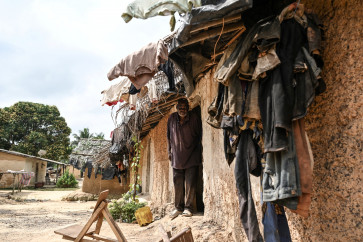
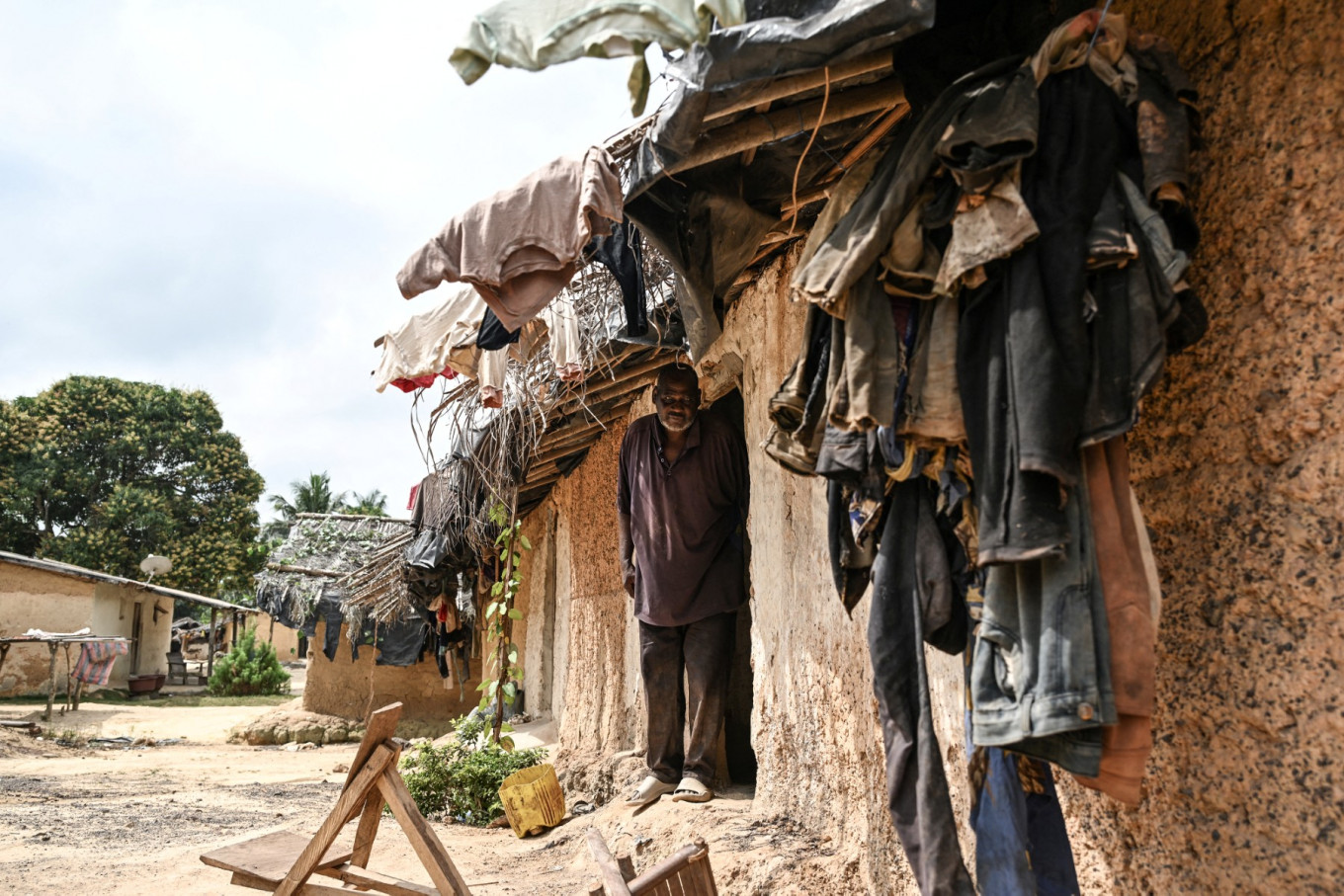 Boniface Djabia, the chief of Betykro, a camp of cocoa producers living in precarious conditions 20 kilometers from Guiglo, Ivory Coast, poses for a portrait in front of one of his mud houses covered with straw on Jan. 16, 2026. (AFP/Sia Kambou)
A
s donor governments slash aid budgets, and multilateral institutions come under increasing financial strain, development organizations must confront the combination of growing need and declining resources. How to address persistent challenges such as poverty and inequality, climate change and humanitarian crises with fewer resources is an especially urgent question in Africa, where many countries have long relied on external financing to support essential programs and services.
The answer lies in how development is monitored and evaluated, often framed as a neutral, technical exercise measuring whether projects have achieved their objectives. In fact, evaluation is deeply political: it reflects what is seen as important and whose knowledge is trusted, and it influences which programs continue to receive funding. Thus, evaluation determines how resources are allocated and whose solutions are supported and expanded.
More significantly, the standards by which development projects are assessed are important not only for deciding where to channel limited resources, but also for shaping the future of global development governance. The African Union and its member states have long called for reforms to the international development and financial architecture, advocating greater representation, more equitable financing and a stronger voice for Africa in global decision-making. But these reforms, while important, often overlook another powerful driver of change: control over knowledge and evidence.
To date, evaluation frameworks have largely been influenced by donor priorities, with the aim of tracking and comparing results across contexts. As a result, they often fail to capture the realities within communities and rarely reflect local values. When funders define success, the communities most affected by development programs are treated as sources of data rather than partners in deciding what constitutes meaningful change and how to measure it. As argued in the volume Equitable Evaluation: Voices from the Global South (which two of us co-edited), donors’ expectations and desired outputs take precedence over those of local communities.
With fewer resources now available, and their allocation increasingly dependent on evidence demonstrating impact, there is no better time to implement equitable evaluation practices, which challenge the idea that development can be understood through universal indicators alone. This methodological innovation is grounded in the belief that evidence is shaped by history, context, culture and power, and that these factors must be considered if evaluation is to advance equity.
African countries and communities, in particular, could adopt Made in Africa Evaluation approaches, which seek to assess development projects according to African realities, values and priorities. That means recognizing indigenous knowledge, local institutions and community experiences as important sources of evidence, while emphasizing that evaluation should reflect the social, cultural and political contexts in which development takes place. Such a shift ultimately reshapes who holds authority over knowledge itself.

Community participation forces governments to be accountable to citizens, not just funders. For example, when rural health committees monitor clinic performance using community-designed scorecards rather than relying on donor audits, facility managers can identify and respond more quickly to drug shortages, long wait times or service gaps, while health authorities gain access to locally generated evidence.