The Jakarta Post
Please Update your browser
Your browser is out of date, and may not be compatible with our website. A list of the most popular web browsers can be found below.
Just click on the icons to get to the download page.


Popular Reads
Top Results
No results found. Please check your search term and try again
Can't find what you're looking for?
View all search results
Popular Reads
Top Results
No results found. Please check your search term and try again
Can't find what you're looking for?
View all search resultsDistance learning plan fails to account for poor
Change text size
Gift Premium Articles
to Anyone
Share the best of The Jakarta Post with friends, family, or colleagues. As a subscriber, you can gift 3 to 5 articles each month that anyone can read—no subscription needed!
 Set as preferred source
T
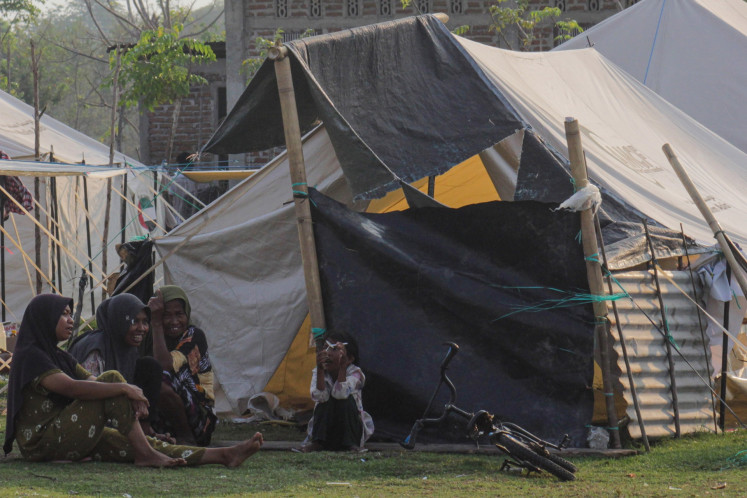
he government’s plan to fund schoolchildren’s access to the internet in support of online-based learning has spotlighted the social gaps that children living in poverty and in remote areas must face, experts have said.
Education and Culture Minister Nadiem Makarim announced on Thursday that the state would allocate Rp 7.2 trillion (US$ 532 million) in mobile phone credits and mobile data packages to support distance learning methods for the nation’s students and teachers, at a time when the pandemic has all but canceled face-to-face interactions across the country.
The state subsidy aims to cover the needs of the nation’s 60 million school students in the form of 35 gigabytes of internet data per student every month until the end of the year, while every teacher would get a monthly data allotment of 42 GB.
The ministry is verifying and updating its national student data until Sept. 11, which would give it a better idea of potential data package recipients.
Under the new scheme, which is financed by ministry funds reallocated from the delayed Mobilization Organization Program (POP), each university student and lecturer would also get 50 GB of mobile data per month.
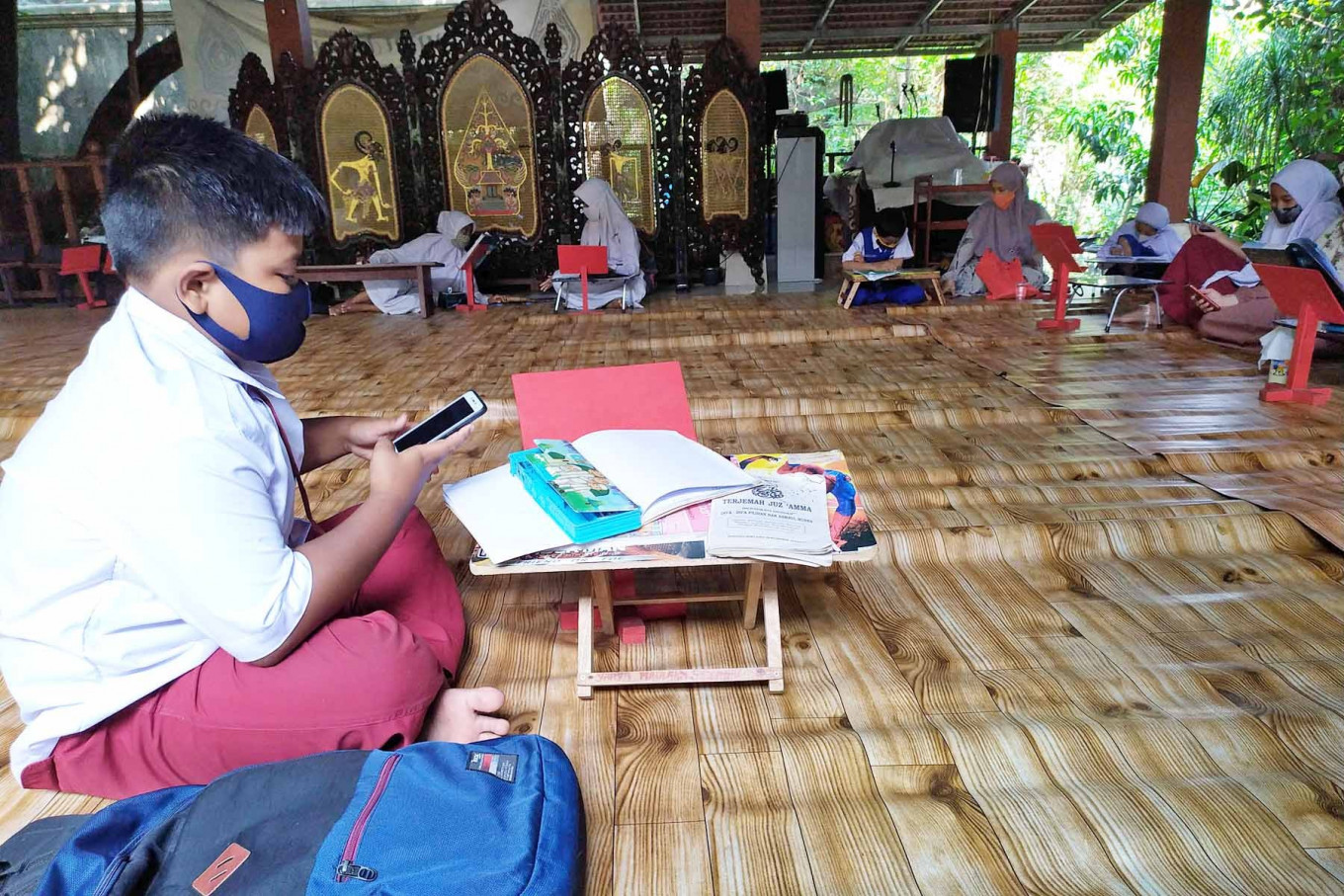
While applauded by many, the creative solution still leaves some big holes in the implementation of distance education, as experts note that not every student in the country has a mobile phone or an internet connection.
Retno Listyarti, a commissioner for the Indonesian Child Protection Commission (KPAI), said that while her office expressed appreciation for the ministry’s decision, she insisted that the plan followed a class bias.