The Jakarta Post
Please Update your browser
Your browser is out of date, and may not be compatible with our website. A list of the most popular web browsers can be found below.
Just click on the icons to get to the download page.


Popular Reads
Top Results
No results found. Please check your search term and try again
Can't find what you're looking for?
View all search results
Popular Reads
Top Results
No results found. Please check your search term and try again
Can't find what you're looking for?
View all search resultsAn ocean sewn with islands – and shipwrecks
Only a handful of Indonesia’s museums focus specifically on maritime heritage.
Change text size
Gift Premium Articles
to Anyone
Share the best of The Jakarta Post with friends, family, or colleagues. As a subscriber, you can gift 3 to 5 articles each month that anyone can read—no subscription needed!
I
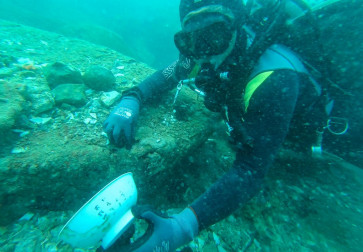
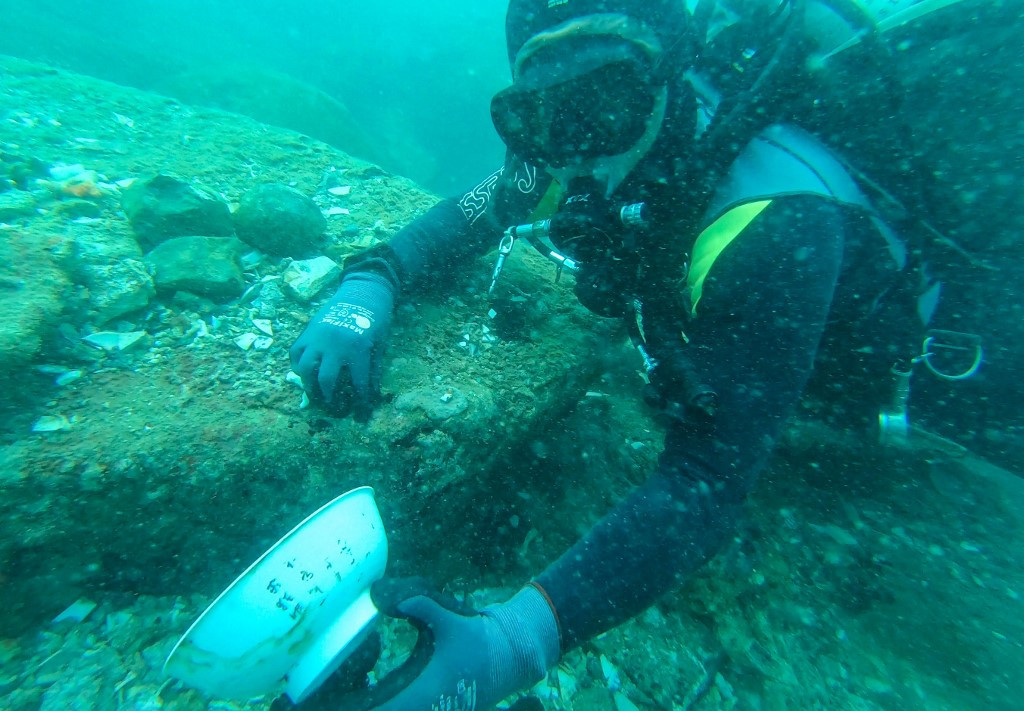
ndonesia is more sea than soil. As a nation, it is better understood – to paraphrase Indonesian maritime historian Adrian Lapian – as an ocean sprinkled with islands than as land separated by water. Within its seas, bays and rivers lie the remains of hundreds, if not thousands, of shipwrecks. These ancient relics provide historical evidence that supports President Joko “Jokowi” Widodo’s push for Indonesia to reclaim its role as a proud maritime nation.
Despite the abundance of shipwrecks in its waters, however, the Indonesian government’s approach to managing and protecting these sites can best be described as equivocal. For over 20 years, the commercial salvage of shipwrecks in Indonesian territorial waters was legal, until new heritage legislation prompted a temporary, and then a permanent, moratorium on these activities.
But in recent months, through the introduction of the Job Creation Law and associated regulations, the Indonesian government has again reversed course when it comes to managing the wrecks in its waters. This has left many observers to wonder about the future of the archipelago’s maritime history and heritage.
Indonesia introduced its first legislation relating to shipwrecks in 1989. It had been prompted to do so following the salvage a few years earlier of the Geldermalsen, an 18th century Dutch shipwreck found in waters near the Lingga archipelago south of Singapore. The Geldermalsen case revealed the vacuum that existed in Indonesia in relation to shipwrecks in its territorial waters.
The recovery and sale of the Geldermalsen’s cargo, including gold ingots and around 150,000 pieces of porcelain, had raised over 10 million pounds (US$13.6 million) – none of which went to Indonesia. In response, Indonesia introduced a Presidential Decree No. 43/1989 that established a National Shipwreck Committee to approve and issue shipwreck salvage permits to commercial operators. This decree marked the beginning of Indonesia’s commercial shipwreck salvage policy.
This policy continued to evolve over the next two decades. To salvage a wreck, a company had to first apply for a survey permit. This involved extensive bureaucratic wrangling as well as numerous fees. Then, if the survey identified a site of interest, they could apply for a salvage permit. The company was responsible for all costs associated with the survey and salvage process.
Foreign salvors could be involved in surveying, salvaging and utilising valuable objects, but were required to partner with an Indonesian company. Profits from the realized commercial value of the objects had to be shared between the salvage company and the Indonesian government.