The Jakarta Post
Please Update your browser
Your browser is out of date, and may not be compatible with our website. A list of the most popular web browsers can be found below.
Just click on the icons to get to the download page.


Popular Reads
Top Results
No results found. Please check your search term and try again
Can't find what you're looking for?
View all search results
Popular Reads
Top Results
No results found. Please check your search term and try again
Can't find what you're looking for?
View all search resultsprabowo-subianto
Asia & Pacific 1 week ago
PREMIUM
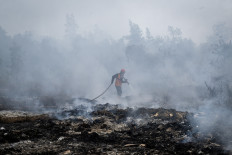
Indonesian wildfire emissions surge to world's highest
Fire emissions from Indonesia from September 1 to September 7 reached 19.7 million metric tons, overtaking Russia this week and making up more than a third of the global total, according to Fire Emissions Watch, a portal developed by the European Union's Copernicus climate monitoring service.
Politics 1 week ago
PREMIUM
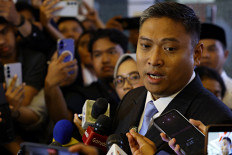
BGN suspends nearly 2,000 free meal kitchens after food poisoning outbreak
BGN suspended 1,999 kitchens across Indonesia because they did not register with the health ministry to undergo mandatory hygiene and sanitation certifications, agency chief Sudaryono said on Monday.
Companies 1 week ago
PREMIUM
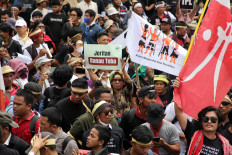
AGO names Toba Pulp Lestari suspect of export tax fraud in $113m graft case
The pulp company is alleged of manipulating export documents related to affiliated-party transactions between 2008 and 2025 that resulted in estimated state losses of $113.4 million, the latest development in a case that has named two tax officials as suspects for allegedly accepting bribes from TPL.

Politics 1 week ago
PREMIUM
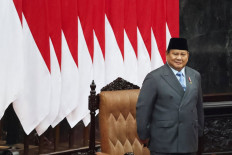
Mass poisonings cast doubt on free meals reforms
New National Nutrition Agency (BGN) head Sudaryono, who oversees the free meals program, described the series of food poisoning incidents lately as “deliberate negligence” by kitchens that had failed to follow the agency’s food-safety procedures.
Editor's Picks
Popular
- Much ado about asset forfeiture
- Mass poisonings cast doubt on free meals reforms
- Purbaya ousted after clash with Prabowo's ex-army colleague, sources say
- Indonesia, China eye cooperation to boost 3 million homes program
- Children are no longer the priority, were they ever?
- El Niño chokes Indonesia’s coal exports as rivers run shallow
- Suahasil seen to prioritize fiscal discipline, continuity
- Feeding, not poisoning
- Ferry accident revives Indonesia’s ‘Bermuda Triangle’ myth
- Sumatran elephants run out of room as fires spread


