The Jakarta Post
Please Update your browser
Your browser is out of date, and may not be compatible with our website. A list of the most popular web browsers can be found below.
Just click on the icons to get to the download page.


Popular Reads
Top Results
No results found. Please check your search term and try again
Can't find what you're looking for?
View all search results
Popular Reads
Top Results
No results found. Please check your search term and try again
Can't find what you're looking for?
View all search resultsenergy

Companies 1 week ago
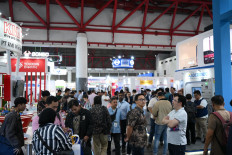
IEE Series – Energy Week reflects growing ecosystem seeking connections
With Indonesia expanding its power and digital infrastructure, IEE Series – Energy Week 2026 is emerging as a meeting point for industries seeking technology, partnerships, and solutions to support the next phase of industrial transformation.
Opinion 3 weeks ago
PREMIUM
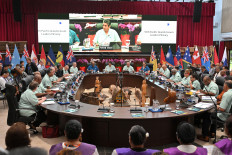
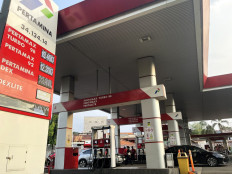
Analysis: Pursuing energy security with self-sufficiency, demand controls
The government is pursuing a two-pronged strategy to strengthen energy security: reducing dependence on fuel imports through the mandatory B50 biodiesel policy while reforming fuel subsidies to make them more targeted toward lower-income households. Both policies, however, come with challenges. The B50 program, which combines 50 percent palm oil-based biofuel with 50 percent fossil-fuel diesel, could increase domestic demand for crude palm oil (CPO), potentially affecting exports and cooking oil prices. Meanwhile, the government’s planned restrictions on subsidized fuel purchases have raised questions about the accuracy of household welfare assessments used to determine eligibility.

Markets 4 weeks ago
PREMIUM
IDX outperforms Asian markets on domestic optimism
Analysts highlighted easing uncertainty following the assessment by global index provider MSCI, along with positive sentiment surrounding President Prabowo Subianto’s annual speech, as the main drivers of the stock rally.

Editor's Picks
Popular
- Much ado about asset forfeiture
- Mass poisonings cast doubt on free meals reforms
- Not the Ministry of Magic
- Children are no longer the priority, were they ever?
- Purbaya ousted after clash with Prabowo's ex-army colleague, sources say
- Whoosh takeover in limbo after Purbaya ousted as finance minister
- Suahasil seen to prioritize fiscal discipline, continuity
- Artists exit Sheeran tour in solidarity with Macklemore pro-Palestinian comments
- Malaysia talks to rival airlines as it monitors AirAsia's financial health
- Prabowo opens new LRT link, backs Jakarta’s expansion push


