The Jakarta Post
Please Update your browser
Your browser is out of date, and may not be compatible with our website. A list of the most popular web browsers can be found below.
Just click on the icons to get to the download page.


Popular Reads
Top Results
No results found. Please check your search term and try again
Can't find what you're looking for?
View all search results
Popular Reads
Top Results
No results found. Please check your search term and try again
Can't find what you're looking for?
View all search resultsfood-waste
Society 1 month ago
PREMIUM
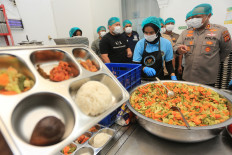
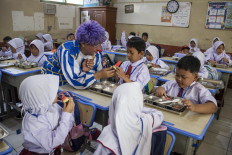
Food waste issue looms over free meals rollout
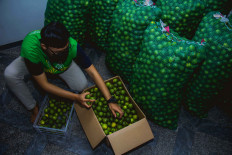
An assessment issued in April by Jakarta-based think-tank Center for Economic and Law Studies (Celious) estimated that between 62 million and 120 million packages of meals prepared and disbursed under the program were wasted each week.

Editor's Picks
Popular
- Popular discontent is justified. Authoritarianism is not the answer
- Govt under pressure as 3 million home drive hits cracks
- Recentralization concerns in fiscal, education heighten
- Safeguarding Indonesia's AI future
- Batam residents protest data centers amid water crisis
- Canals full, roads submerged as Bangkok declares flood disaster
- Japan schoolboy, 11, wins gold while empty seats blight Asian Games
- Jakarta international airport extends closure after Anak Krakatau eruption
- Indonesians still have low awareness against pneumonia: Survey
- Philippines pardons, frees Mary Jane Veloso


