TheJakartaPost
Please Update your browser
Your browser is out of date, and may not be compatible with our website. A list of the most popular web browsers can be found below.
Just click on the icons to get to the download page.


Popular Reads
Top Results
No results found. Please check your search term and try again
Can't find what you're looking for?
View all search results
Popular Reads
Top Results
No results found. Please check your search term and try again
Can't find what you're looking for?
View all search resultsGridlock as pandemic treaty talks fail to finish
Wealthy countries and developing nations are at loggerheads over how the pandemic treaty, which was adopted last year, will work in practice.
Change text size
Gift Premium Articles
to Anyone
Share the best of The Jakarta Post with friends, family, or colleagues. As a subscriber, you can gift 3 to 5 articles each month that anyone can read—no subscription needed!
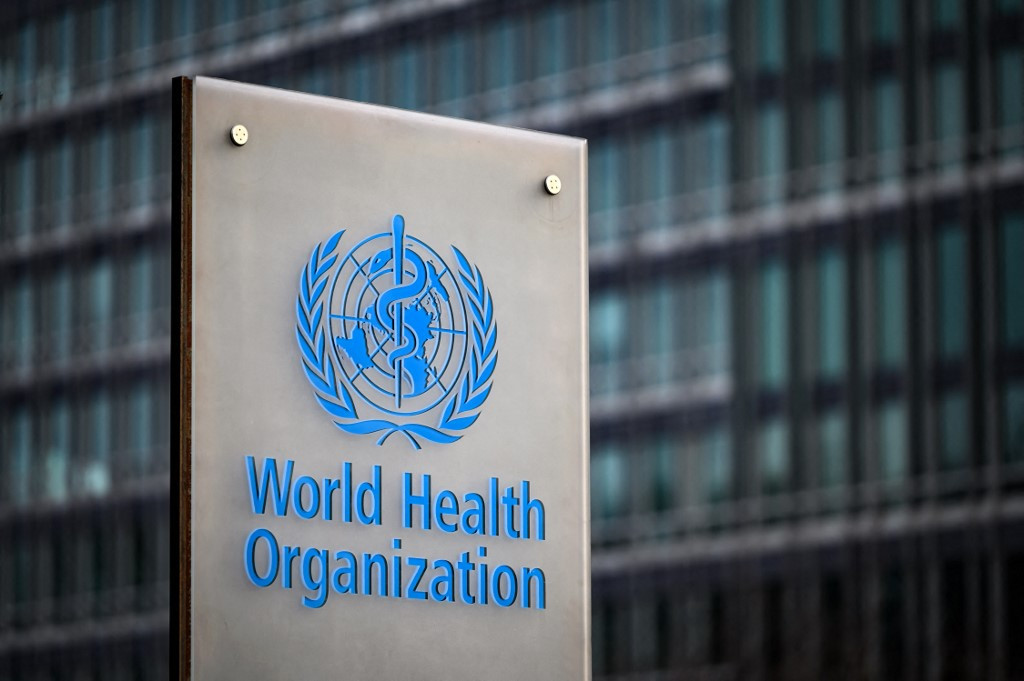 A sign of the World Health Organization (WHO) at their headquarters in Geneva, Switzerland in this photo taken on Dec. 7, 2021. (AFP/Febrice Coffrini)
T
he World Health Organization (WHO) said Friday that divided member states want up to a year of further negotiations on the missing piece of an international agreement on handling future pandemics.
After a week of grindingly slow progress in talks at the WHO headquarters in Geneva, countries came to a stop and will decide on th e next steps at the annual assembly of member states, to be held in the Swiss city from May 18 to 23.
Wealthy countries and developing nations are at loggerheads over how the pandemic treaty, which was adopted last year, will work in practice.
The agreement's unfinalized Pathogen Access and Benefit-Sharing (PABS) mechanism deals with sharing access to pathogens with pandemic potential, then sharing benefits derived from them, such as vaccines, tests and treatments.
"Real progress was made on the PABS annex and I am confident through continued negotiations differences will be overcome," WHO chief Tedros Adhanom Ghebreyesus said in a statement.
"Member states should continue approaching the outstanding issues with a sense of urgency because the next pandemic is a matter of when, not if.
"The PABS annex is the last piece of the puzzle not only for the Pandemic Agreement but all initiatives that WHO and member states have implemented as a result of lessons learned from the COVID-19 pandemic."
In May 2025, WHO members adopted a landmark agreement on tackling future health crises, after more than three years of negotiations sparked by the shock of COVID-19.
The accord aims to prevent a repeat of the disjointed international response that surrounded the coronavirus crisis, by improving global coordination, surveillance and access to vaccines.
PABS, the heart of the treaty, was left out to get the bulk of the deal over the line.
The outcome of this week's work will be presented to the annual assembly, which will be asked to consider continuing the process "and submit the outcome to the next assembly in May 2027", or an earlier special session later this year.
Only once the PABS annex is complete will countries be able to start ratifying the treaty.
Access to genetic sequences remains a sticking point.
Negotiations are also stalled by a demand from developing countries for guarantees of equitable access to vaccines outside pandemics, as well as wranglings over financial contributions that participating pharmaceutical companies should make.
New Zealand's former prime minister Helen Clark, co-chair of The Independent Panel for Pandemic Preparedness and Response, said the failure to reach agreement this week was "deeply regrettable".
"If a new pathogen emerged today, the world remains largely unprepared for it. A lack of action to prevent and prepare for the next pandemic threat is a disservice to humanity," she said in a statement.