The Jakarta Post
Please Update your browser
Your browser is out of date, and may not be compatible with our website. A list of the most popular web browsers can be found below.
Just click on the icons to get to the download page.


Popular Reads
Top Results
No results found. Please check your search term and try again
Can't find what you're looking for?
View all search results
Popular Reads
Top Results
No results found. Please check your search term and try again
Can't find what you're looking for?
View all search resultsAnalysis: The power to seize, the need for safeguards
Change text size
Gift Premium Articles
to Anyone
Share the best of The Jakarta Post with friends, family, or colleagues. As a subscriber, you can gift 3 to 5 articles each month that anyone can read—no subscription needed!
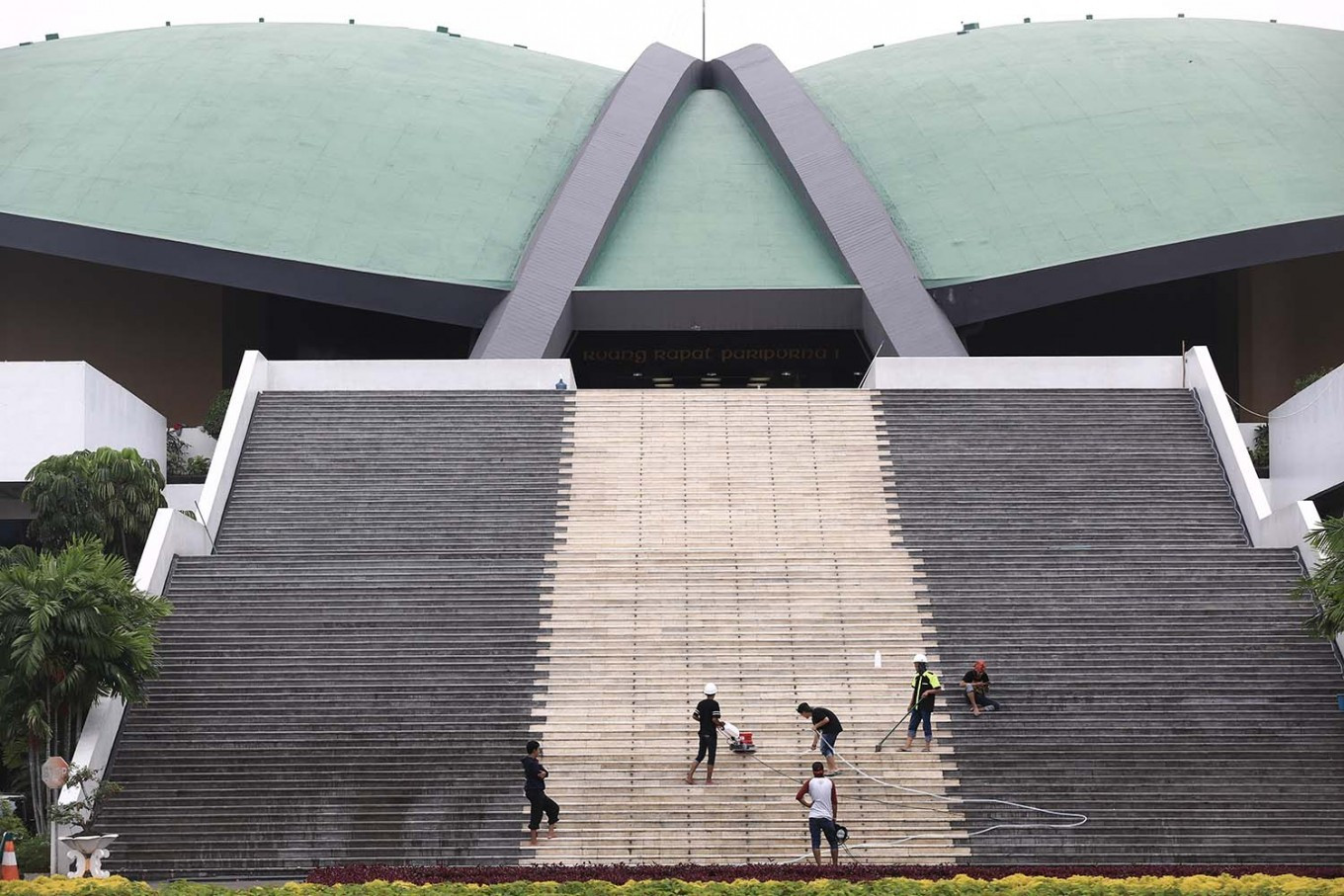 The iconic building in the People's Consultative Assembly (MPR) in Senayan, Jakarta (JP/Dhoni Setiawan)
S
treet protests have reignited the drive to pass the long-stalled asset forfeiture bill. Under renewed public pressure, the House of Representatives has committed to wrapping up deliberation by year-end, nearly two decades after the reform was first tabled. The real test now is whether this self-imposed deadline will finally overcome years of legislative foot-dragging, and whether lawmakers can be held accountable if it slips again.
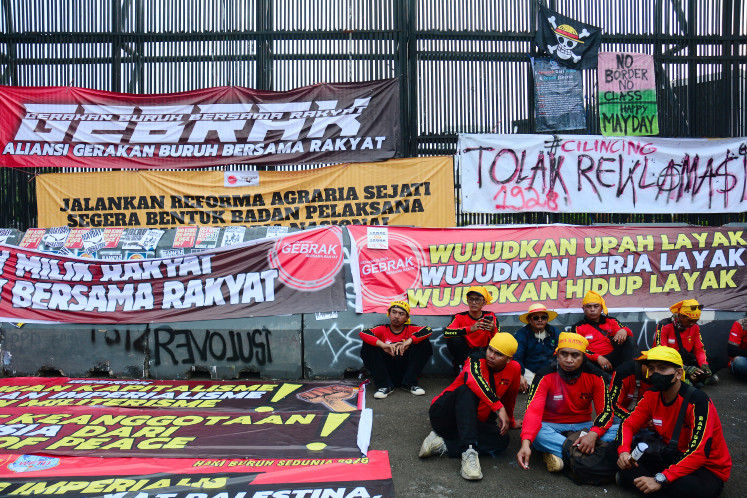
The spark came on Aug. 27, when demonstrators from the Pati United People’s Alliance (AMPB) and allied civil groups rallied outside the parliamentary complex in Senayan, Jakarta. Protesters demanded the bill’s swift passage alongside harsher penalties for graft convicts, up to and including capital punishment. At the same time, the Yogyakarta Student Executive Boards Forum (BEM) held a parallel demonstration outside the city’s Presidential Palace.
Following talks with the rally leaders, House leaders pledged to finish deliberations by Dec. 15, reportedly offering to resign if they miss the target.
So far, however, the lawmakers have kept details under wraps. While Commission III noted that 13 categories of criminal offenses are being weighed for inclusion, the complete draft had not been made public by early September. Deputy House Speaker Cucun Ahmad Syamsurijal defended the secrecy, cautioning that an early release could invite public misinterpretation while talks remain fluid.
Part of the gridlock stems from the bill’s sheer scope. Rather than tweaking existing statutes, the legislation introduces an entirely novel legal mechanism to Indonesia’s legal landscape. Deputy House Speaker Sufmi Dasco noted that lawmakers are still balancing public input against the need to align the draft with the newly enacted Criminal Code (KUHP) and the Criminal Law Procedure Code (KUHAP).
Yet the hurdles are far from purely technical.

Asset forfeiture grants the state an extraordinary prerogative: seizing property suspected of illicit origins without waiting for a final criminal conviction. Granting such leverage demands rigorous evidentiary benchmarks, strict judicial oversight and reliable mechanisms for individuals and innocent third parties to challenge wrongful seizures.