The Jakarta Post
Please Update your browser
Your browser is out of date, and may not be compatible with our website. A list of the most popular web browsers can be found below.
Just click on the icons to get to the download page.


Popular Reads
Top Results
No results found. Please check your search term and try again
Can't find what you're looking for?
View all search results
Popular Reads
Top Results
No results found. Please check your search term and try again
Can't find what you're looking for?
View all search resultsgreater-jakarta
Jakarta 1 week ago
PREMIUM
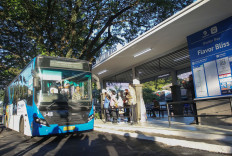
Jakarta transit grows, but Greater Jakarta stays disconnected
Jakarta’s public transportation system is seeing rising ridership across major modes this year, signaling growing demand for reliable mass transit, but experts say its potential remains largely untapped without better connections to the thousands of housing developments across Greater Jakarta.
Jakarta 2 weeks ago
PREMIUM
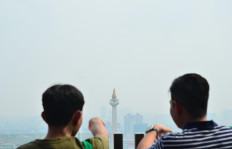
Borderless pollution chokes Greater Jakarta as policy gaps persist
As urban air pollution continues to travel across Greater Jakarta, threatening public health and burdening the economy, authorities in the region are facing greater pressure to establish an integrated framework to tackle mounting borderless pollutants.
Jakarta 1 month ago
PREMIUM
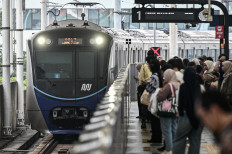
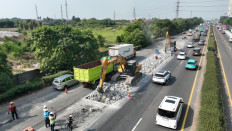
‘Endless’ works infuriate commuters on Jakarta-Tangerang toll road
The Jakarta-Tangerang toll road, which connects Jakarta with Banten and several important gateways to the city and country, has been plagued by continuous roadworks that have increased travel times on the road significantly for commuters.
Jakarta 2 months ago
PREMIUM
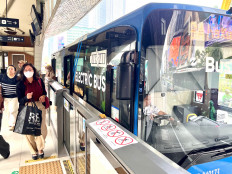
As living costs rise, proposed Transjakarta fare hike hits a nerve
A proposal to raise Transjakarta bus fares has drawn concern among commuters, who fear even what officials describe as a modest increase would further strain household budgets amid persistent coast-of-living pressures.
Editorial 4 months ago
PREMIUM
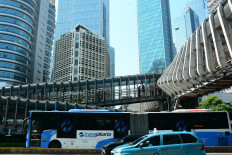
Transit drives growth
While often viewed as a public cost, Transjakarta is actually a massive economic driver generating three times its weight in national output. By shifting focus from fuel subsidies to transit integration, Indonesia can clear its skies and its balance sheets simultaneously.

Jakarta 6 months ago
PREMIUM
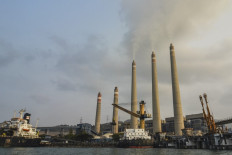
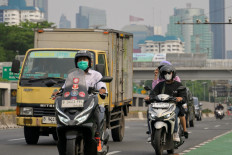
Policy disparities hamper Greater Jakarta’s fight for clean air
Greater Jakarta, recently dubbed the world’s most populous urban area by the United Nations, has long been afflicted by smog coming from, among other sources, internal combustion engine vehicles and coal-powered power plants and industrial areas.
Editor's Picks
Popular
- Much ado about asset forfeiture
- Mass poisonings cast doubt on free meals reforms
- New data rules could unlock cross-border data flows
- Children are no longer the priority, were they ever?
- Three more volcanoes erupt following Sinabung, Anak Krakatau
- Indonesia, Hong Kong to host new 14-team FIFA ASEAN Cup
- Assessing the merit of the strategic commodities bill
- Trump says he would be OK with China building cars in US
- Haze drives surge in respiratory illnesses in Indonesia
- Modi, Putin seek stronger ties as Russia calls for BRICS to counter West


