The Jakarta Post
Please Update your browser
Your browser is out of date, and may not be compatible with our website. A list of the most popular web browsers can be found below.
Just click on the icons to get to the download page.


Popular Reads
Top Results
No results found. Please check your search term and try again
Can't find what you're looking for?
View all search results
Popular Reads
Top Results
No results found. Please check your search term and try again
Can't find what you're looking for?
View all search resultsgreen-energy
Academia 10 months ago
PREMIUM
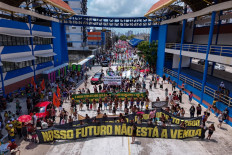
Innovation, not mandates, will shape our climate future
World leaders need to focus on technological innovations that will help pull developing countries out of the massive amount of carbon they emit, away from costly investments prioritizing carbon reductions by rich countries, which contribute just 13 percent of global emissions.
Academia 10 months ago
PREMIUM
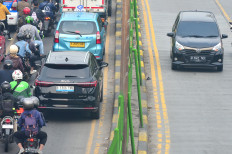
Why Indonesia’s EV future must be different: Lessons from Norway
Oslo's model shows that streamlined regulatory and incentive policies can help propel market evolution toward an EV ecosystem, while a separate study shows that vehicle electrification doesn't necessary require nickel or the resulting social and environmental harms.
Academia 11 months ago
PREMIUM
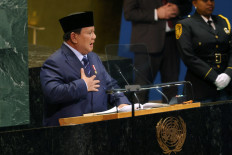
Indonesia’s UNGA climate pledge faces real test at home
While the President's address at the 80th UNGS signaled ambition, implementing the 2025-2034 RUPTL with de-risking mechanisms, clear financing solutions, a decisive move away from coal and other detailed steps is the real test.

Regulations 1 year ago
PREMIUM
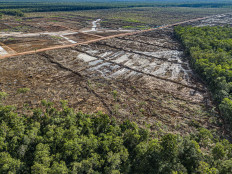
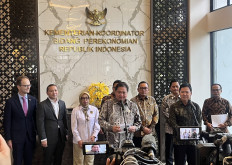
Germany, Japan give lifeline to Indonesia’s flailing JETP program
To accelerate implementation of the initiative, Indonesia will also revise the Comprehensive Investment and Policy Plan (CIPP), which is essentially a blueprint to carry out JETP investments to better align with the country’s economic condition, regulations and infrastructure.
Editor's Picks
Popular
- Prabowo’s reshuffle bring ties with Jokowi back into focus
- New islands appear after Anak Krakatau volcano erupts
- New police chief orders major shake-up
- The agrarian reform law and investment prospects of palm oil
- Philippines arrests 244 foreign workers in online scam crackdown
- Bringing the military back in
- Public health measures urged amid El Niño's extreme heat
- Reshuffle shores up coalition support for 2029
- Danantara to invest in ethanol infrastructure over next three years
- A ministry restored


