The Jakarta Post
Please Update your browser
Your browser is out of date, and may not be compatible with our website. A list of the most popular web browsers can be found below.
Just click on the icons to get to the download page.


Popular Reads
Top Results
No results found. Please check your search term and try again
Can't find what you're looking for?
View all search results
Popular Reads
Top Results
No results found. Please check your search term and try again
Can't find what you're looking for?
View all search resultsicw
National 6 years ago
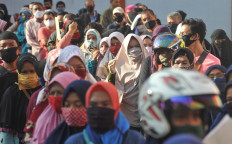
Coalition calls on government to open access to information on COVID-19 response funds
A coalition of watchdog groups has urged the government to be more transparent in using the trillions of rupiah allotted for the virus response amid a lack of access to information on how the funds are spent, as activists raised concerns over the potential for corruption.

National 6 years ago
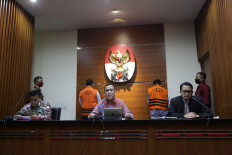
Drastic action needed to save KPK amid controversies, lackluster performance: Activists
Antigraft activists have called for Corruption Eradication Commission (KPK) chairman Firli Bahuri to step down from his position as part of "drastic measures" to save the agency and the fight against graft in Indonesia amid controversies and what they claim to be a lackluster performance by the agency.

National 6 years ago
ICW reports preemployment program to Indonesian Ombudsman for alleged maladministration
"We urge the government to stop the preemployment card program and we hope that the Ombudsman conducts an investigation related to the alleged maladministration in the program," Indonesia Corruption Watch (ICW) activist Tibiko Zabar said.
National 6 years ago
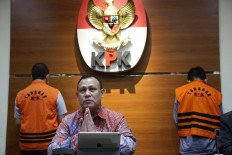
Watchdogs' grim report says KPK has 'lost public trust' in six months under Firli
A damning report from two corruption watchdogs reveal the KPK's poor performance in the first half of this year under its new chairman, and that the antigraft body had lost public trust as a direct result of the revised KPK Law.
National 6 years ago
Activists slam KPK for discussing raise for leaders amid declining public faith
KPK spokesperson Ali Fikri said the KPK had conducted a virtual meeting with the Law and Human Rights Ministry on May 29 to discuss a revision of the government regulation on the salaries of the KPK chairman and his four deputy deputies.
National 6 years ago
KPK, not police, should investigate university graft case, ICW says
Indonesia Corruption Watch (ICW) has expressed disapproval over a decision by the Corruption Eradication Commission (KPK) to hand over a case of alleged bribery involving a Jakarta State University (UNJ) staff member to the police.

National 6 years ago
Experts, activists call for heightened public scrutiny of COVID-19 policies, funding
The call derives from the apparent impunity a recent regulation provides to officials in charge of implementing COVID-19 policies and disbursing related funds, as well as the "defanged" anticorruption agency.

Editor's Picks
Popular
- Mass poisonings cast doubt on free meals reforms
- New data rules could unlock cross-border data flows
- Malaysia must not breathe Indonesia’s governance failure
- Mitigation budget under scrutiny as Indonesia grapples with disasters
- Search intensifies for journalists, crew as Anak Krakatau ashfall eases
- Indonesian wildfire emissions surge to world's highest
- Student suffers memory loss, seizures after free meal food poisoning
- Anak Krakatau doesn't need an earthquake to kill
- Volcanic eruptions take toll on economy
- Search resumes for missing journalists on Anak Krakatau mission


