The Jakarta Post
Please Update your browser
Your browser is out of date, and may not be compatible with our website. A list of the most popular web browsers can be found below.
Just click on the icons to get to the download page.


Popular Reads
Top Results
No results found. Please check your search term and try again
Can't find what you're looking for?
View all search results
Popular Reads
Top Results
No results found. Please check your search term and try again
Can't find what you're looking for?
View all search resultsresearch-and-development

Academia 1 year ago
PREMIUM
Indonesia’s demographic bonus and the productivity imperative
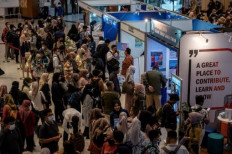
The employment structure in Indonesia is imbalanced, with 33.67 percent of workers in part-time jobs and 59.33 percent in the informal sector, often without job security, social protections or access to skill development.

Academia 1 year ago
PREMIUM
Indonesia's AI journey: Innovation or overreach?
AI development isn't just about writing code; it demands powerful computing infrastructure, massive datasets and continuous investment. Can Indonesia, with its underdeveloped cloud and hardware ecosystem, sustain such costs?

Economy 2 years ago
PREMIUM
World Bank expects RI rice output to shrink by 2030
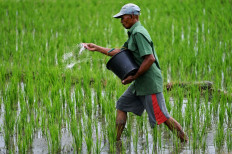
According to the World Bank's projection, the country's rice production could fall 0.72 percent in the next 10 years due to warming temperatures, pointing to a greater need for targeted measures to keep the staple food affordable.
Academia 2 years ago
PREMIUM
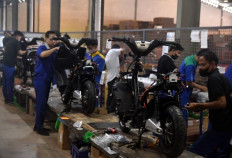
Accelerating productivity growth for Indonesia 2045
Achieving high-income status requires prioritizing the primary potential sources of Indonesia’s economic growth, such as the blue economy, manufacturing and city development, and relentlessly absorbing new technologies and basic science.

Editor's Picks
Popular
- Indonesia pushes cooperation to outpace global scam networks
- Whisky, big-screen TV seized from prison 'villas' in West Java
- Career diplomat Arrmanatha takes helm of Foreign Ministry
- Top cop, Jokowi aide out as Prabowo consolidates power
- BREAKING: Prabowo reshuffles cabinet, replaces police chief
- The agrarian reform law and investment prospects of palm oil
- Sugarcane farmers query House over sugar imports
- How Indonesia’s oligarchs turned democracy to their advantage
- New islands appear after Anak Krakatau volcano erupts
- Inside the education system moulding Afghanistan's next generation


