The Jakarta Post
Please Update your browser
Your browser is out of date, and may not be compatible with our website. A list of the most popular web browsers can be found below.
Just click on the icons to get to the download page.


Popular Reads
Top Results
No results found. Please check your search term and try again
Can't find what you're looking for?
View all search results
Popular Reads
Top Results
No results found. Please check your search term and try again
Can't find what you're looking for?
View all search resultsb50
Academia 2 months ago
PREMIUM
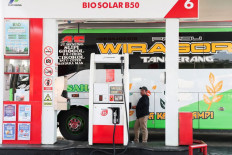
The hidden costs of Indonesia's B50 biodiesel revolution
Indonesia’s ambitious B50 biodiesel mandate promises total energy independence, but a volatile mix of surging food costs, environmental degradation, and fiscal strain could turn this historic experiment into a costly economic gamble.
Regulations 2 months ago
PREMIUM
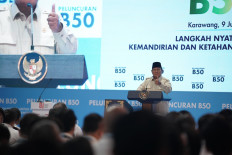
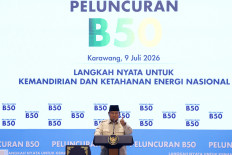
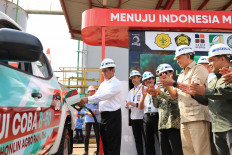
Indonesia rolls out B50 biodiesel mandate, lifting palm oil demand
Indonesia officially launched its latest biodiesel blending mandate on Thursday, requiring a fuel blend of half palm-based diesel and conventional diesel known as B50, as President Prabowo Subianto pushes to cut fuel imports and achieve energy self-sufficiency. The rollout of the new blend will raise domestic palm oil demand.
Opinion 3 months ago
PREMIUM
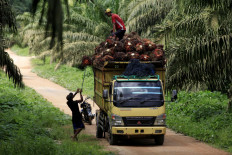
Analysis: B50: Energy security at what cost?
As geopolitical tensions expose Indonesia’s dependence on imported fuel, the government is accelerating its B50 biodiesel mandate to strengthen energy security. Yet the policy raises questions about feedstock availability, infrastructure readiness, fiscal costs and its potential impact on the palm oil industry, one of the country’s largest sources of export earnings.
Editor's Picks
Popular
- Indonesia pushes cooperation to outpace global scam networks
- Whisky, big-screen TV seized from prison 'villas' in West Java
- Career diplomat Arrmanatha takes helm of Foreign Ministry
- Top cop, Jokowi aide out as Prabowo consolidates power
- BREAKING: Prabowo reshuffles cabinet, replaces police chief
- The agrarian reform law and investment prospects of palm oil
- Sugarcane farmers query House over sugar imports
- How Indonesia’s oligarchs turned democracy to their advantage
- New islands appear after Anak Krakatau volcano erupts
- Inside the education system moulding Afghanistan's next generation


