The Jakarta Post
Please Update your browser
Your browser is out of date, and may not be compatible with our website. A list of the most popular web browsers can be found below.
Just click on the icons to get to the download page.


Popular Reads
Top Results
No results found. Please check your search term and try again
Can't find what you're looking for?
View all search results
Popular Reads
Top Results
No results found. Please check your search term and try again
Can't find what you're looking for?
View all search resultseconomic-growth


Economy 1 month ago
PREMIUM
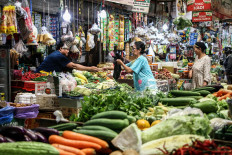
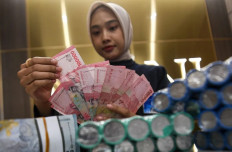
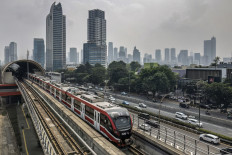
GDP target a tall order after growth slowdown
Indonesia’s gross domestic product growth has decelerated in the second quarter, making the government’s target for the full year – a milestone toward reaching President Prabowo Subianto’s goal of 8 percent growth in his tenure – a tall order.
Economy 1 month ago
PREMIUM
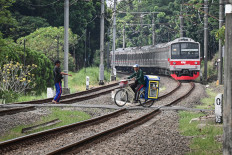
Prabowo revives plan for trans-Sumatra, Kalimantan railways
The President has announced plans to step up railway development across the country, beginning with a cross-island network on Sumatra, as a cost-efficient “instrument of economic democratization” that would improve public transport connectivity, particularly for lower-income communities and people in smaller towns.
Editor's Picks
Popular
- Popular discontent is justified. Authoritarianism is not the answer
- Recentralization concerns in fiscal, education heighten
- Govt under pressure as 3 million home drive hits cracks
- Safeguarding Indonesia's AI future
- Power exports to Singapore hinge on regulatory clarity
- Indonesian wildfires threaten critically-endangered orangutan: IUCN
- Indonesia signs UN treaty to combat, prevent cybercrime
- Death toll from Java Sea ferry sinking jumps to 64
- BI to expand QRIS to Timor Leste, Hong Kong
- Trump rejects Iran proposal for deal to reopen Hormuz


