The Jakarta Post
Please Update your browser
Your browser is out of date, and may not be compatible with our website. A list of the most popular web browsers can be found below.
Just click on the icons to get to the download page.


Popular Reads
Top Results
No results found. Please check your search term and try again
Can't find what you're looking for?
View all search results
Popular Reads
Top Results
No results found. Please check your search term and try again
Can't find what you're looking for?
View all search resultshalal-certificate
Regulations 2 weeks ago
PREMIUM
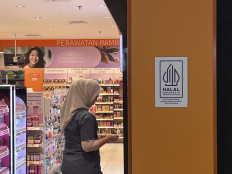
Businesses ‘not ready’ as halal deadline nears, push delays
The law requires products or restaurants without the certification in October to declare they do not comply with Islamic law, a step that could hit sales. In the absence of compliance, such products could be pulled from the market.

Editorial 7 months ago
PREMIUM
A deal that settles nothing
Though the Supreme Court's ruling against Trump's sweeping tariffs has left Jakarta with less clarity regarding the newly signed US-Indonesia ART, it has at least opened a door to the possibility of reworking the deal so its terms are fairer.
Society 1 year ago
PREMIUM
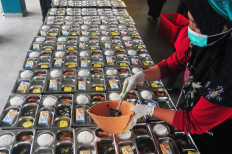
Govt to probe reports of pork lard, toxic metals in free meal trays
An unconfirmed report circulating on social media published by an outlet known as the Indonesia Business Post claimed to have conducted an investigation in the Chaoshan region, in the eastern part of China, and found that metal trays bound for Indonesia were treated with pork lard during the manufacturing process.
Regulations 1 year ago
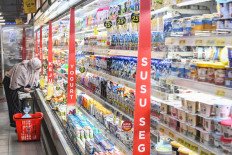
Govt to check grocery shelves as deadline for halal labels nears
Government authorities plan to inspect grocery store shelves to check compliance with a law requiring halal labels on food items from Friday, officials said, although some importers and restaurants face hurdles in complying.



Food 4 years ago
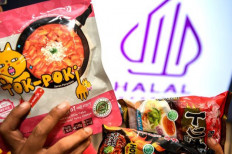
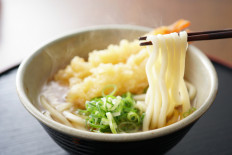
Japan firm seeks halal approval for non-alcohol udon soup stock
But that alcoholic component excludes many beyond Japan's shores from trying its cuisine, not least the world's estimated nearly 2 billion Muslims. Now, in a bid to make local specialty Sanuki udon available to more people, Kamada Soy Sauce Inc. in the country's western prefecture of Kagawa is preparing to apply for halal approval for a non-alcohol version of the noodle dish's stock.

Editor's Picks
Popular
- Whisky, big-screen TV seized from prison 'villas' in West Java
- Indonesia pushes cooperation to outpace global scam networks
- Jakarta international airport extends closure after Anak Krakatau eruption
- Militarization by request: The quiet creep in Jakarta
- BREAKING: Prabowo reshuffles cabinet, replaces police chief
- Sugarcane farmers query House over sugar imports
- The vanishing of Indonesia from the heart of Papua
- BREAKING: Arrmanatha takes over as foreign minister in latest reshuffle
- Water concerns triggers suspension of West Java data center project
- The agrarian reform law and investment prospects of palm oil


