The Jakarta Post
Please Update your browser
Your browser is out of date, and may not be compatible with our website. A list of the most popular web browsers can be found below.
Just click on the icons to get to the download page.


Popular Reads
Top Results
No results found. Please check your search term and try again
Can't find what you're looking for?
View all search results
Popular Reads
Top Results
No results found. Please check your search term and try again
Can't find what you're looking for?
View all search resultslabor-issues
SE Asia 6 years ago
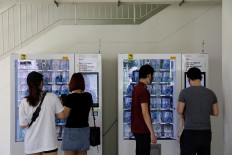
Singapore rushes to build housing for 60,000 migrant workers after virus outbreak
The Singapore government is racing to create additional housing for about 60,000 migrant workers by the end of this year, as it seeks to reduce the density in dormitories which have seen mass outbreaks of the coronavirus infection.
Opinion 6 years ago
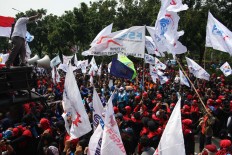
Wage subsidy urgently needed to protect jobs amid pandemic
The need for layoffs for struggling employers further poses the risk of losing experienced skilled workers which they would need after the pandemic ends. Is there an alternative for those employers? There is, but it requires further state intervention.
Opinion 6 years ago
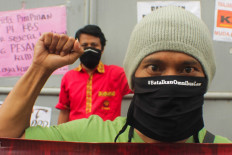
As COVID-19 bites, current labor rules can protect jobs
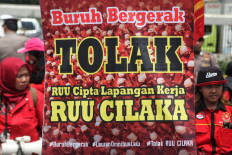
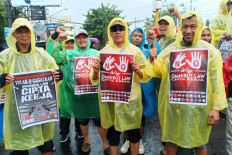
Following threats of labor rallies on April 30 despite the quarantine, President Joko “Jokowi” Widodo announced on Friday that the deliberations of labor-related provisions in the bill would be postponed to “provide us with the opportunity to explore substantial issues within the bill and also to accommodate input from stakeholders.” But does the labor legislation really need to be changed?

Politics 6 years ago
Omnibus bill on job creation: Labor articles to be discussed last amid public protests
The deliberations on the controversial omnibus bill on job creation will begin with noncontroversial topics, namely provisions on small and medium enterprises (SMEs) empowerment, following opposition from labor groups.
Opinion 6 years ago
Women manufacturing workers hit hardest
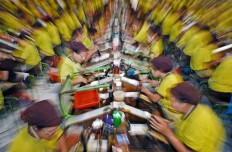
Comprising the bulk of workers without a permanent status, women workers are most vulnerable to layoffs and are more likely to be exposed to economic injustice because they depend on daily wages, which in turn depend on production volume. As production tanks, it is these women who are hit hardest.
Editor's Picks
Popular
- Indonesia calls for more representative UN amid changing world order
- Safeguarding Indonesia's AI future
- Recentralization concerns in fiscal, education heighten
- Court decision tightens House oversight on free meals funding
- Twenty years on, BRICS faces a defining choice
- Jakarta water shortages worsen as dry season drags on
- Indian arrested for smuggling gold bars to Thailand via N. Sumatra airport
- Singapore’s BDx launches 640MW data center project in West Java
- Govt under pressure as 3 million home drive hits cracks
- Gontor leader’s blunt remarks highlight ‘pesantren’ political independence


