The Jakarta Post
Please Update your browser
Your browser is out of date, and may not be compatible with our website. A list of the most popular web browsers can be found below.
Just click on the icons to get to the download page.


Popular Reads
Top Results
No results found. Please check your search term and try again
Can't find what you're looking for?
View all search results
Popular Reads
Top Results
No results found. Please check your search term and try again
Can't find what you're looking for?
View all search resultsliquidity
Opinion 2 weeks ago
PREMIUM
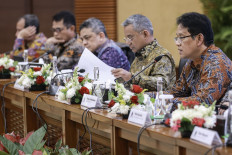
Analysis: Purbaya’s liquidity push: Lending catalyst or the wrong cure?
Finance Minister Purbaya Yudhi Sadewa has once again injected liquidity into Indonesia’s banking system, placing an additional Rp 70 trillion (US$4.3 billion) in state budget surplus funds with state-owned banks. The measure is intended to spur lending to the real sector and, ultimately, accelerate economic growth. Yet its effectiveness remains uncertain, raising a fundamental question: Can another liquidity injection genuinely revive credit growth, or is Purbaya mistaking the symptom for the cause in a classic chicken-and-egg problem?
Regulations 1 month ago
PREMIUM
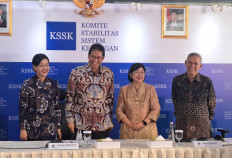
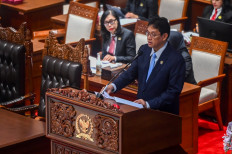
Lawmakers, Purbaya butt heads over Rp 370t excess cash management
Experts noted that the risk of banks getting too reliant on the funds “is real” and a dependency cycle might materialize as banks grow accustomed to the idea that the funds are a “permanent source of liquidity”.

Regulations 2 months ago
PREMIUM
Purbaya denies banks' call to extend liquidity injection
The finance minister has rejected state-owned banks' call to extend the liquidity injection scheme, citing a need for flexibility while noting that the central bank would step in if necessary to maintain a stable money supply.

Economy 6 months ago
PREMIUM
Govt extends liquidity injection in bid to revive loan growth
The OJK as well as industry observers have welcomed the Finance Minister's move to extend the liquidity injection policy for another six months in a bid to generate higher loan growth, while suggesting that a subsequent extension could be on the books when the current period ends in March.




Editor's Picks
Popular
- Mass poisonings cast doubt on free meals reforms
- New data rules could unlock cross-border data flows
- Malaysia must not breathe Indonesia’s governance failure
- Volcanic eruptions take toll on economy
- Search intensifies for journalists, crew as Anak Krakatau ashfall eases
- Mitigation budget under scrutiny as Indonesia grapples with disasters
- Indonesian wildfire emissions surge to world's highest
- Anak Krakatau doesn't need an earthquake to kill
- Student suffers memory loss, seizures after free meal food poisoning
- Search resumes for missing journalists on Anak Krakatau mission


